The Essentials of Dairy Headlocks: Why They Matter Worldwide
At first glance, dairy headlocks might seem like just another farm accessory reserved for dairy farmers and veterinarians. But in reality, these devices sit at the crossroads of animal welfare, farm productivity, and sustainable agriculture — making them vital tools globally. Understanding dairy headlocks means grasping an aspect of modern food production that supports safer livestock handling, faster workflows, and healthier animals, which ultimately translates into better milk yields, lower costs, and even environmental benefits.
Globally, the dairy industry makes up a significant chunk of agricultural GDP — according to the Food and Agriculture Organization (FAO), over 280 million tonnes of milk are produced each year worldwide. Efficient, humane livestock management tools are no longer “nice-to-have” but rather critical in meeting growing demand sustainably.
Why Dairy Headlocks Are Gaining Global Importance
Dairy farming is evolving at a rapid pace, especially in regions adopting modern technology and best practices. According to statistics from the World Bank, dairy yields have surged by 30% in emerging markets over the last decade. However, this growth brings challenges, particularly in humane animal control and worker safety.
Here’s where dairy headlocks come in: they provide secure restraint without causing undue stress. Farmers can vaccinate, inspect, or feed cattle safely without risk, streamlining operations on ever-busier farms. Plus, they help address animal welfare standards set by organizations like the ISO, increasingly important for accessing international markets.
What Are Dairy Headlocks? A Simple Definition
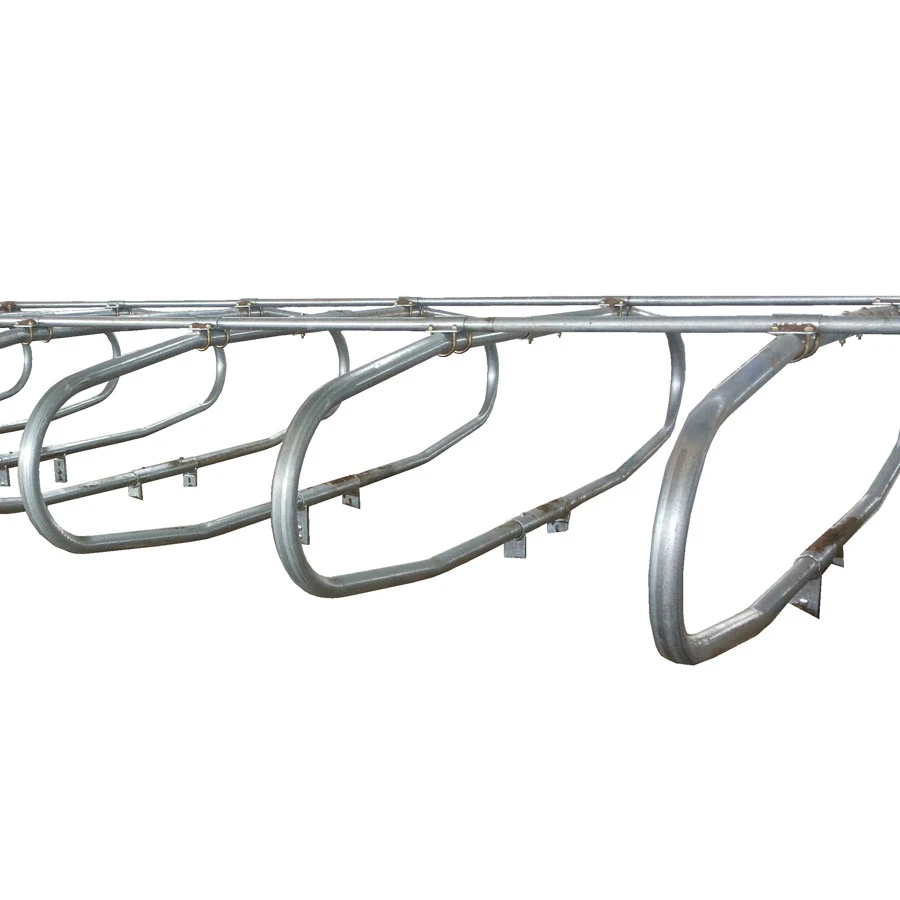
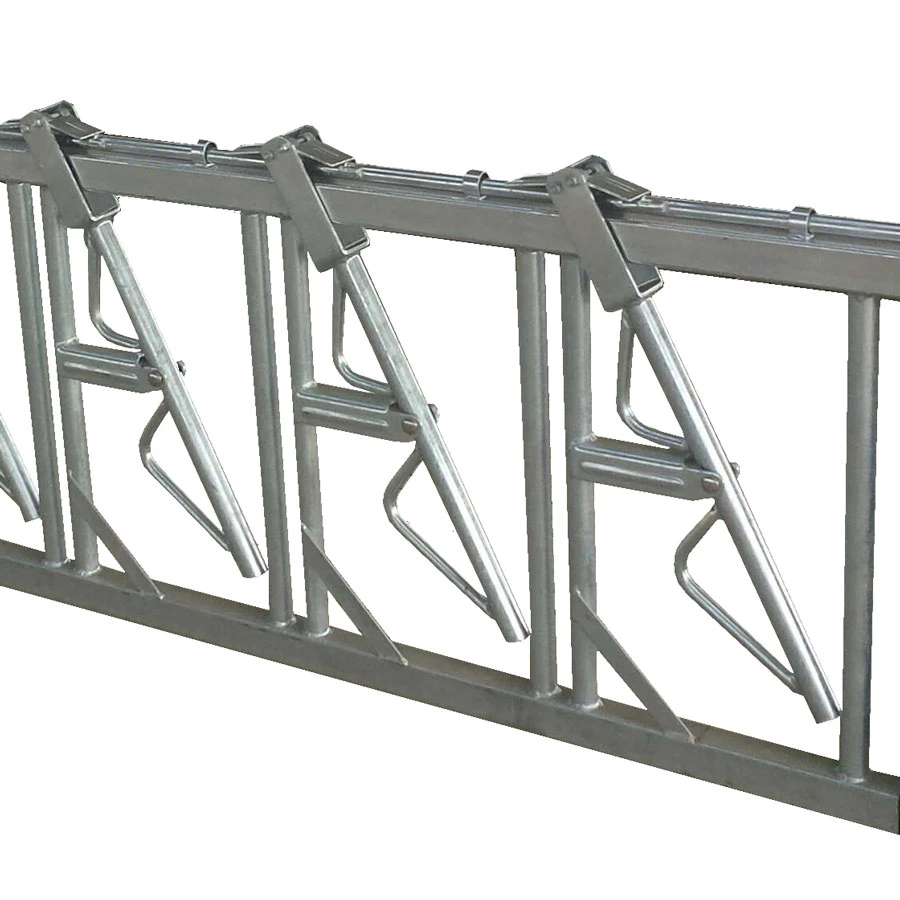
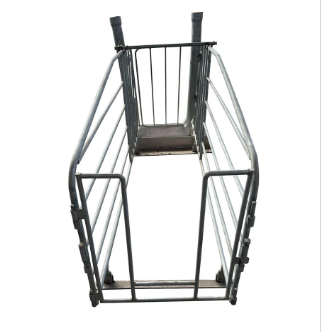
In essence, a dairy headlock is a mechanical or hydraulic restraint device used to hold dairy cows securely by the head during milking, veterinary care, or feeding. Picture a sturdy metal frame with spaces where each cow can place its head comfortably but not withdraw quickly when locked — this ensures safety and eases management.
As straightforward as it sounds, these systems are a backbone of many modern dairy operations worldwide. Without them, handling large herds would be fraught with delays, risks of injury, or suboptimal animal handling, especially when time and precision matter most.
Core Components and Features of Dairy Headlocks
1. Durability and Material Strength
Manufacturing materials range from galvanized steel to stainless steel variants, designed to withstand the strain of a restless herd — often outdoors and in rough climates. Resistant coatings help prevent rust, improving longevity and reducing maintenance.
2. Scalability & Modular Design
Dairy farms come in all sizes. Headlocks are adaptable from small-scale farms milking a few dozen cows to massive commercial dairies handling thousands daily. Modular sections allow expansion or reconfiguration as operations evolve.
3. Ease of Operation & Safety
A defining trait is the user-friendly locking mechanism, which often allows single-person operation to lock or release heads quickly. Safety features protect animals from injury and workers from being accidentally caught.
4. Cost Efficiency & Maintenance
While upfront costs vary, the savings in labor, reduced animal stress, and streamlined workflows far outweigh investments. Routine maintenance is generally minimal but essential to avoid jams or breakdowns.
Dairy Headlocks Across the Globe: Real-World Applications
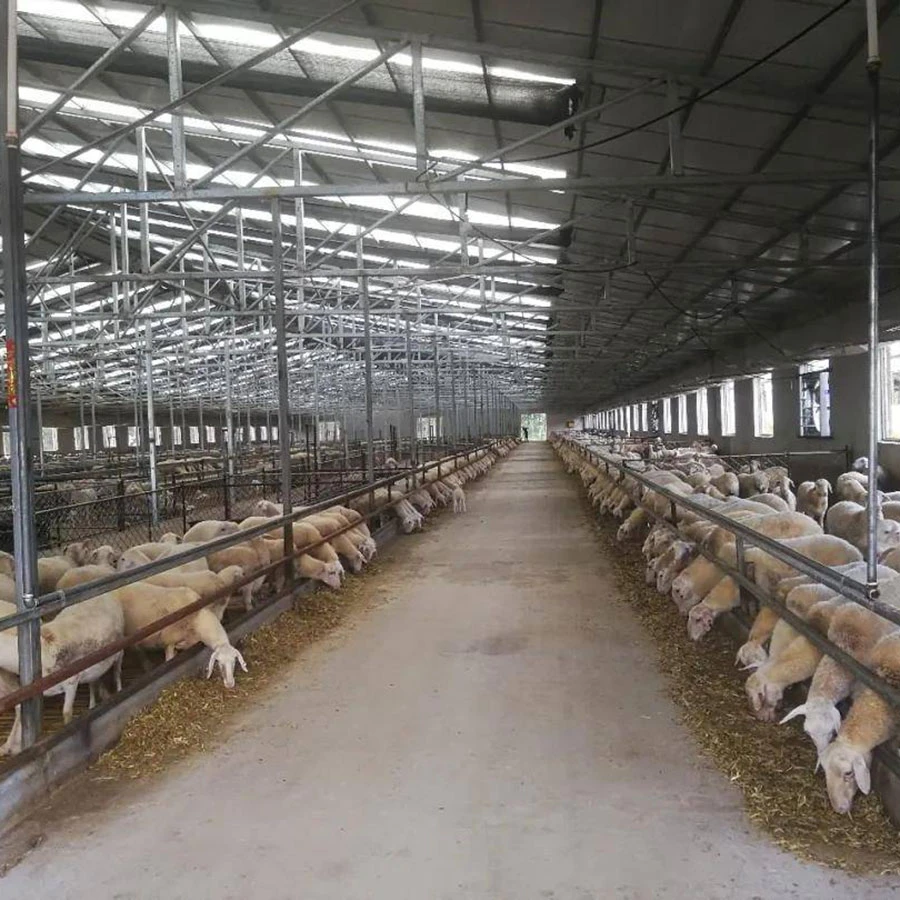
Dairy headlocks see widespread use across continents, from small family farms in Europe to sprawling operations in North America, Australia, and parts of Asia. In developing regions, they support improved veterinary care — for example, enabling safe vaccination campaigns that prevent outbreaks threatening entire herds.
Oddly enough, even disaster-relief agencies working in rural areas use portable or temporary headlock systems to stabilize livestock for treatment or transport after floods or droughts, recognizing that livestock health underpins community resilience.
Mini Takeaway:
Dairy headlocks serve not only as farm productivity enhancers but as tools that bridge agricultural efficiency with animal welfare globally, adapting to varied operational sizes and environments.
Product Specifications: Typical Dairy Headlock Model
| Specification | Details |
|---|---|
| Material | Galvanized Steel with anti-corrosion coating |
| Locking Mechanism | Manual lever lock, single-person operation |
| Size (per section) | 2.5 meters long, accommodates 10 cows |
| Weight | Approx. 150 kg |
| Installation Time | 2-3 hours (with basic tools) |
| Warranty | 2 years manufacturer warranty |
Comparing Top Dairy Headlock Vendors
| Vendor | Price Range (per section) | Material Quality | Warranty | Installation Support |
|---|---|---|---|---|
| AgriLock Solutions | $850 - $1,050 | Premium galvanized steel | 3 years | On-site & Virtual |
| FarmHold Technologies | $700 - $900 | Standard steel, coated | 2 years | Remote Guidance Only |
| Livestock LockPro | $780 - $1,000 | Stainless steel | 2 years | On-site Support |
Advantages & Long-Term Value of Dairy Headlocks
Using dairy headlocks enhances throughput by cutting down handling time, which is a tangible cost-saver. At the same time, they foster better animal welfare — cows experience less stress during treatments or milking routines, which naturally improves milk output and quality.
From a sustainability perspective, fewer injuries and accidents mean less veterinary intervention and medications, reducing chemical runoff and environmental impact. Emotionally, many farmers swear by the peace of mind dairy headlocks provide — feeling safer themselves and confident they’re treating animals humanely.
Emerging Trends and Innovations in Dairy Headlock Design
The future is looking smart. Automation is creeping in: some headlock systems now integrate sensors that monitor cattle health or alert workers if a cow struggles. Additionally, greener manufacturing materials, like recycled steel or coatings free from harmful chemicals, are gaining traction.
Digitally connected systems allow data collection on herd behavior, enabling farms to optimize milking schedules or track wellness proactively. It’s not just about mechanical restraint anymore; it’s about smart, humane, and efficient livestock management.
Challenges & Practical Solutions
Despite all the upside, dairy headlocks aren’t perfect. Some farms struggle with initial installation complexity or adapting designs to odd-shaped farm layouts. Additionally, small-scale farmers sometimes find cost a barrier without clear financing options.
To address these, vendors now offer modular kits and virtual installation support. NGOs and agricultural extension programs sometimes subsidize these essential tools in developing areas. The learning curve, while real, is easing as more farmers share best practices online and on forums.
Frequently Asked Questions About Dairy Headlocks
- Q: How do dairy headlocks improve milking efficiency?
A: By securely holding cows in place, headlocks reduce animal movement during milking, enabling faster processing and reducing worker strain. This streamlined workflow leads to higher throughput, especially in larger farms. - Q: Are dairy headlocks safe for cows?
A: Yes, when correctly installed and operated, they’re designed to minimize stress and prevent injury. Many designs use smooth edges, adjustable spacing, and quick-release mechanisms for safety. - Q: Can these headlocks be adapted for different cattle breeds?
A: Absolutely. Most modern systems allow for adjustable width and height settings to accommodate various breeds and sizes, ensuring a comfortable and secure fit. - Q: How difficult is installation and maintenance?
A: Installation typically takes a few hours and can be handled by most farm staff with basic tools. Routine maintenance involves lubrication of moving parts and checking for wear — something easily incorporated into regular farm chores. - Q: Where can I find quality dairy headlock options?
A: Vendors like AgriLock Solutions and Livestock LockPro offer reliable options. For a quick browse and quotes, consider visiting dairy headlocks suppliers online.
In Summary: Why Invest in Dairy Headlocks?
Dairy headlocks might seem like humble hardware, but their role in improving safety, efficiency, and animal welfare is anything but small. Looking toward a future where sustainable farming meets digital innovation, headlocks remain fundamental tools ready to evolve and support farmers worldwide.
Interested in upgrading your livestock management? Visit our website at dairy headlocks for expert advice and the best products tailored to your farm's needs.
Mini Reflection
I often think about how such simple mechanical designs endure and adapt — a testament to blending old-school engineering with new ideas. Dairy headlocks remind us: sometimes, the best innovations build on what’s proven, just a little smarter and kinder.
References
Post time: Nov . 29, 2025