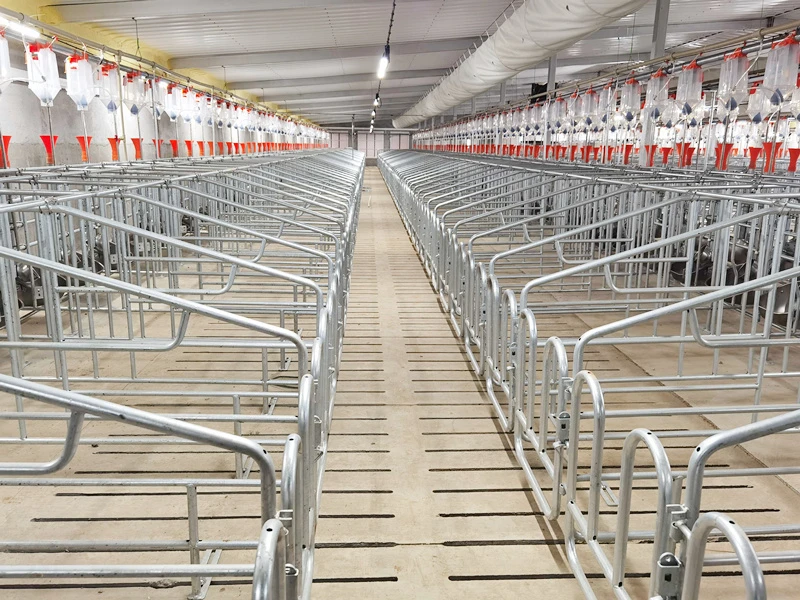
Understanding Wet Dry Feeders: Practical Solutions for Livestock and Beyond
Wet dry feeders may sound like a niche topic, but honestly, they matter a lot more than you’d assume. Worldwide, feeding livestock efficiently and sustainably is crucial not just for agriculture industries but also for food security, animal welfare, and resource management. Whether in sprawling rural farms or remote industrial farms, these feeders bridge a core challenge: how to provide balanced nutrition that is hygienic, cost-effective, and adaptable across climates.
Why Wet Dry Feeders Matter Globally
With the global livestock sector valued at over $1.4 trillion according to the FAO, innovations like wet dry feeders play a small but pivotal role in optimizing feed delivery. They help reduce waste—not just of feed but also water—and improve animal health by keeping feed fresh and uncontaminated. This matters deeply when you consider that feed costs are often the largest expense in animal husbandry, sometimes upwards of 60-70% of the budget. Oddly enough, even in high-tech animal operations, many farmers still rely on traditional feeders that risk spoilage or contamination due to weather exposure or pest interference.
For those involved in disaster relief or food assistance programs for rural communities, the role of reliable feeding systems can’t be understated either. Providing animals with safe, adaptable feeders means more sustainable local food outputs and stable livelihoods.
What Exactly Are Wet Dry Feeders?
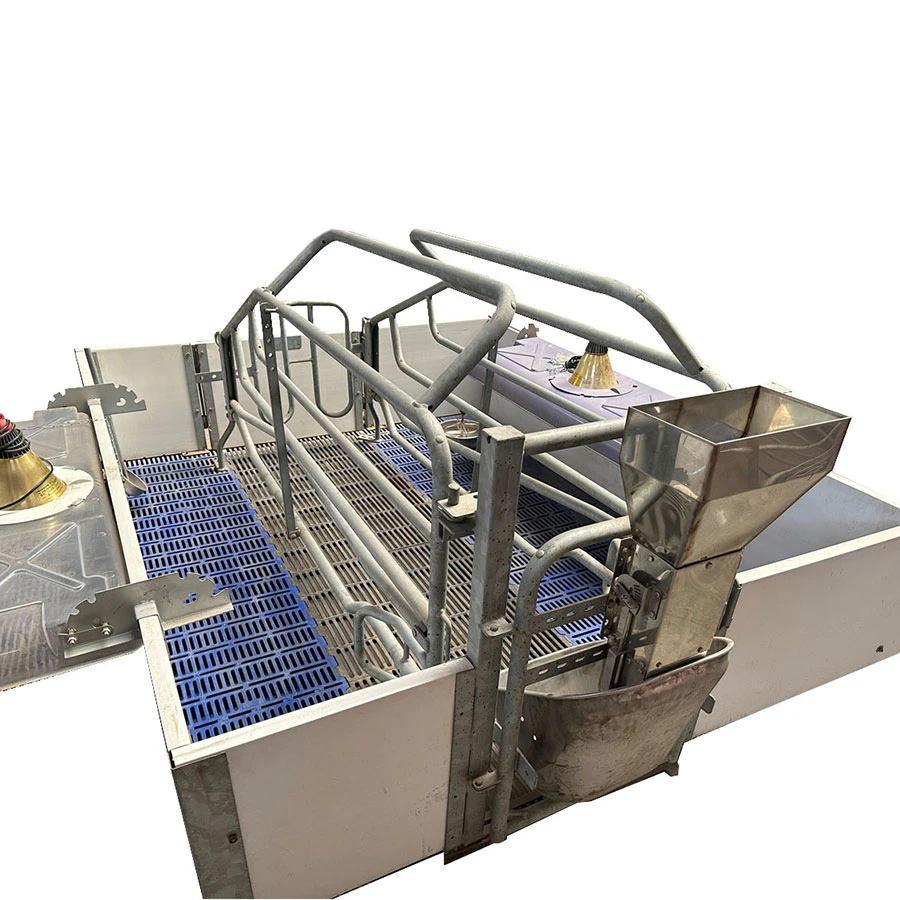
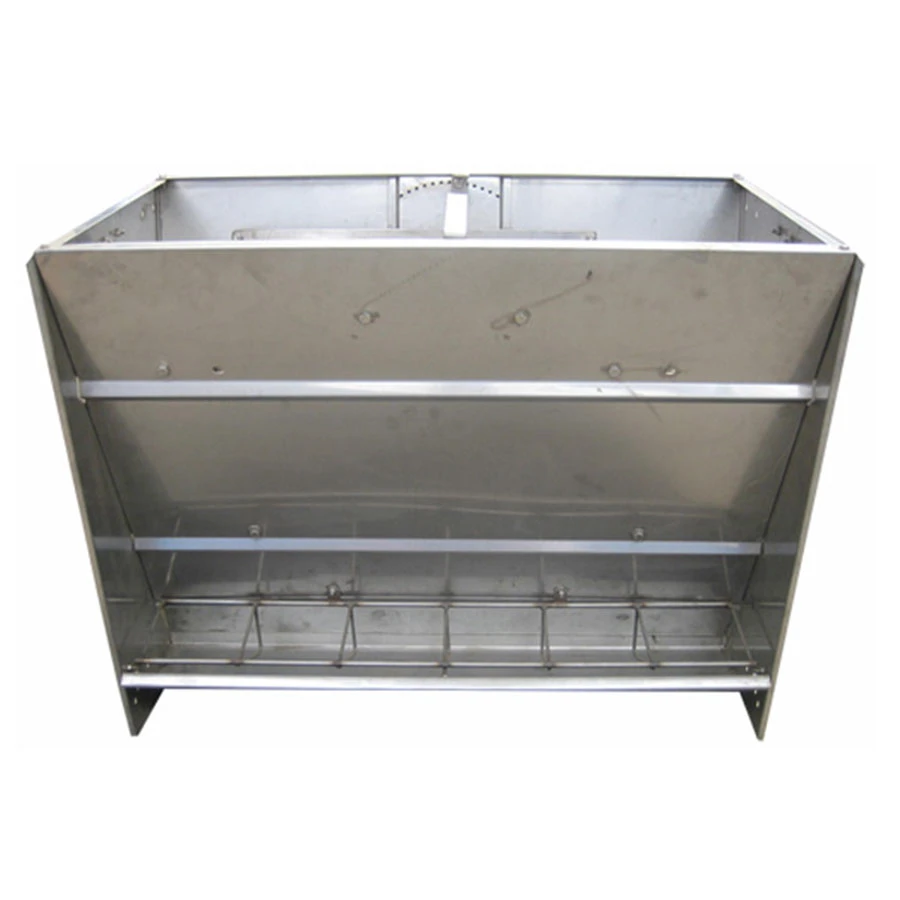
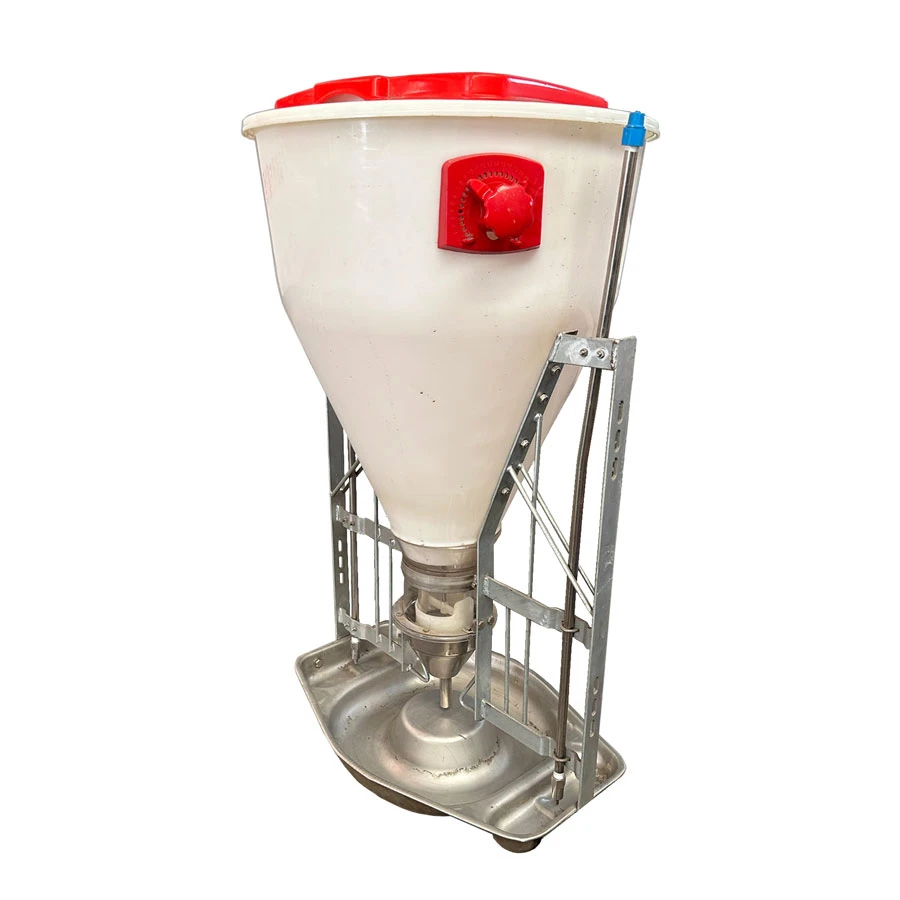
Put simply, wet dry feeders are feeding systems designed to deliver both wet and dry feed forms—often in separate compartments or adaptable trays—to livestock in a way that keeps the feeds fresh and accessible without mixing nutrients prematurely. This allows the animals to choose or receive both feed types conveniently, maximizing intake and nutrition.
Unlike standard feeders that may only handle dry feeds, these systems accommodate silage, drenched feed, or slurry alongside grains or pellets. This is especially important in modern farming where feeding precision and balanced diets correlate with yields, animal welfare, and overall farm sustainability.
Core Components of Wet Dry Feeders
1. Durability and Materials
Good wet dry feeders are typically made from corrosion-resistant materials like food-grade plastics or galvanized steel, designed to withstand outdoor conditions and aggressive feed ingredients. Durability equals longevity and less frequent replacement—an essential factor in regions with harsh climates.
2. Scalability
Many such feeders come in modular or varied size options, which makes them ideal for anything from small-scale farms to industrial setups. Scalability ensures they can serve different herd sizes without major redesigns.
3. Hygiene and Easy Maintenance
Keeping wet feeds separate and dry feeds uncontaminated requires smart partitioning and drainage. Many systems feature removable trays or self-draining bottoms, which substantially reduce mold build-up and pathogen risks.
4. Cost Efficiency
Feed wastage cuts into profits and resource use. Wet dry feeders help minimize this by controlling portions and reducing spillover, which means smarter spending on feed and less environmental impact.
5. Adaptability
Some models allow flexible feed types to be used interchangeably. This adaptability is increasingly valuable as diets shift due to seasonal feed availability or disease outbreak management.
Wet Dry Feeders in Action: Real-World Applications
Look at dairy farms in the EU or New Zealand—wet dry feeders help optimize feed intake measured against milk production goals. In arid regions of Africa or South America, these feeders help preserve precious forage and maintain animal nutrition despite challenging water availability.
Post-disaster relief operations have used portable wet dry feeders to assist communities in quickly restoring livestock welfare after floods or droughts, helping livestock survive when traditional feed storage is compromised.
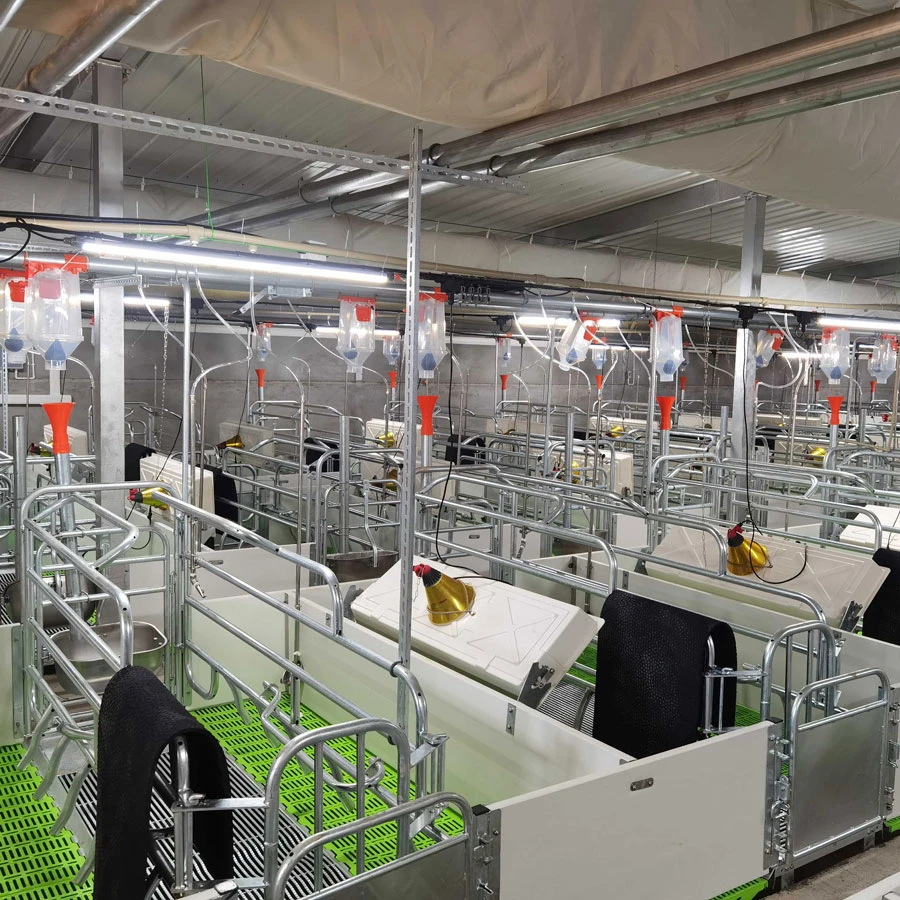
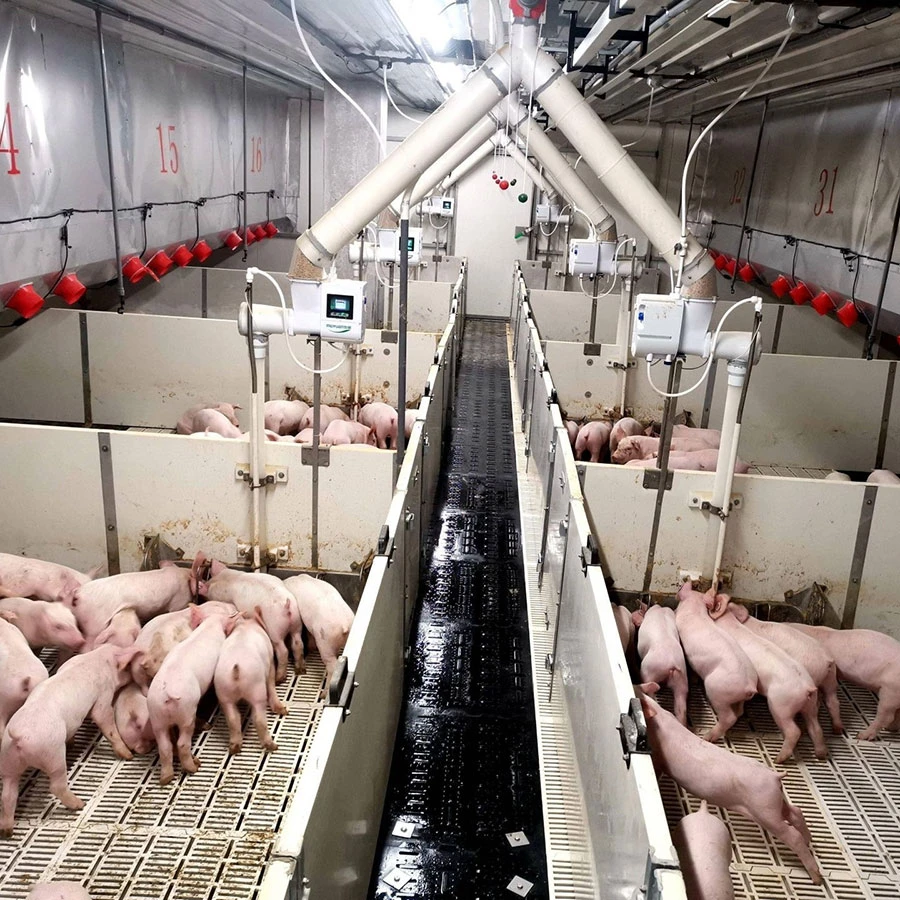
Companies focused on sustainable aquaculture and pig farming also turn to these feeders due to their adaptability and precise feed mixing capabilities.
Summary: Why They Matter
- Improve feed efficiency and animal health
- Reduce waste and environmental footprint
- Adapt to diverse farming scales and climates
Wet Dry Feeders: Key Specifications
| Specification | Typical Range | Notes |
|---|---|---|
| Feed compartments | 1-3 divided trays | Separate wet & dry feeds |
| Material | Stainless steel, HDPE plastic | Corrosion-resistant |
| Capacity | 50-500 liters | Modular sizes available |
| Weight | 10-60 kg | Varies by material & size |
| Drainage system | Yes / Optional | Prevents mold, easy cleaning |
Vendors Compared: Leading Wet Dry Feeder Suppliers
| Vendor | Materials Used | Capacity Range | Customization Options | Global Availability |
|---|---|---|---|---|
| AgriFeed Solutions | Stainless steel, BPA-free plastics | 100-450 L | Yes (colors, sizes) | Europe, Americas |
| FarmTrack Systems | Galvanized steel, polyethylene | 50-300 L | Limited | Asia Pacific, Africa |
| LivestockPro | HDPE plastic, stainless steel bases | 75-500 L | Yes (modular trays) | Global online sales |
Advantages & Long-Term Value of Wet Dry Feeders
Honestly, the benefits stack up nicely:
- Cost Savings: Less feed spoilage means bigger savings overall on inputs.
- Enhanced Animal Welfare: Animals choose naturally which feed type to consume, supporting better digestion and health.
- Sustainability: Lower feed wastage equals reduced environmental impact, a big deal as farming faces climate challenges.
- Operational Efficiency: Easy cleaning and maintenance reduce labor time—some farmers I chatted with say it’s a game-changer during busy seasons.
Looking Ahead: Trends & Innovations
The future looks pretty exciting for wet dry feeders. Manufacturers are exploring:
- Smart feeders — with sensors that monitor feed levels and animal intake remotely.
- Eco-friendly materials — biodegradable plastics or recycled composites.
- Automation integration — feeding schedules linked to animal health data.
These innovations will push wet dry feeders beyond simple containers into smart livestock management tools.
Hurdles & Practical Solutions
Still, not everything is easy. The biggest challenges involve upfront costs and ensuring durability under variable farm conditions. Some farmers hesitate to invest without clear ROI data. There’s also the difficulty of cleaning complex feeders thoroughly, which can lead to residual wet feed spoilage if neglected.
Here’s where ongoing education and vendor support come in. Many providers offer training or warranty-backed products, lowering concerns. Also, modular designs mean upgrades can be phased instead of all-at-once purchasing.
Frequently Asked Questions about Wet Dry Feeders
- What types of animals are wet dry feeders best suited for?
- They’re primarily designed for ruminants like cattle and sheep that benefit from both moist and dry feed types. But some pig and poultry operations also find them useful for specialized diets.
- How do wet dry feeders reduce feed wastage?
- By separating wet and dry feeds, these feeders prevent the soggy mix that often leads to spoilage and rejected feed. Plus, they control portions better, reducing spills.
- Can wet dry feeders be used outdoors year-round?
- Yes, especially those made with corrosion-resistant materials and proper drainage systems. However, users should monitor for extreme weather impacts and clean regularly.
- Are there eco-friendly wet dry feeder options available?
- Yes, some vendors offer feeders made from recycled or biodegradable materials, aligning with sustainability goals.
- Where can I buy reliable wet dry feeders?
- Major agricultural suppliers and specialized vendors like wet dry feeders offer a range of options suitable for different farm scales and budgets.
Conclusion
So, wet dry feeders might seem like a small part of livestock management, but they really punch above their weight in driving efficiency, sustainability, and animal well-being. Over time, they save money, reduce waste, and improve feeding outcomes — which is what farmers, organizations, and industries need in these challenging times.
Curious to explore the best wet dry feeders for your operation? Visit our website: https://www.cxlivestock.com and see how these versatile feeders can fit your needs.
It always surprises me how such practical tools quietly transform livestock care for the better, don’t you agree?
References:
1. Food and Agriculture Organization of the United Nations (FAO) – Livestock sector overview
2. ISO Standards for Animal Feeding Equipment
3. UN Food Security Reports
Post time: Dec . 03, 2025