Farrowing Pen Plans: Why They Matter More Than Ever
When you hear "farrowing pen plans," you might picture basic pig pens. But farrowing pens are so much more than that—they're foundational to sustainable pig farming worldwide. With pork consumption rising steadily across continents and smallholder farmers seeking better yields, smart farrowing pen layouts are becoming an essential blueprint. In simple terms, these plans help farmers create safer, cleaner, and more efficient spaces for sows to give birth and nurture piglets. Globally, better farrowing pens mean fewer piglet fatalities, improved animal welfare, and more productive farms, which can ripple out to better food security and community livelihoods.
Understanding these plans is crucial given the increasing demand for ethically produced pork and the mounting pressure on the agricultural sector to improve efficiency while reducing environmental footprints.
Global Context: Why This Topic Is More Relevant Than You Think
Pork remains the most widely consumed meat worldwide, accounting for nearly 36% of global meat consumption, according to the FAO.^1 However, inefficient farrowing setups lead to high pre-weaning piglet mortality—sometimes as much as 20–30% in less developed farming systems. This is frustrating because farrowing pens directly impact everything from animal welfare compliance to farm economics.
In emerging economies in Asia and Africa, small-scale farmers often lack access to well-designed farrowing plans, hitting both productivity and sustainability hard. Plus, as consumer awareness grows, farms failing welfare audits may struggle to reach export markets.^2
So, the challenge is clear: how to design farrowing pens that balance cost, ease of build, and functionality for diverse farming realities worldwide? That's where right farrowing pen plans come in.
What Exactly Are Farrowing Pen Plans?
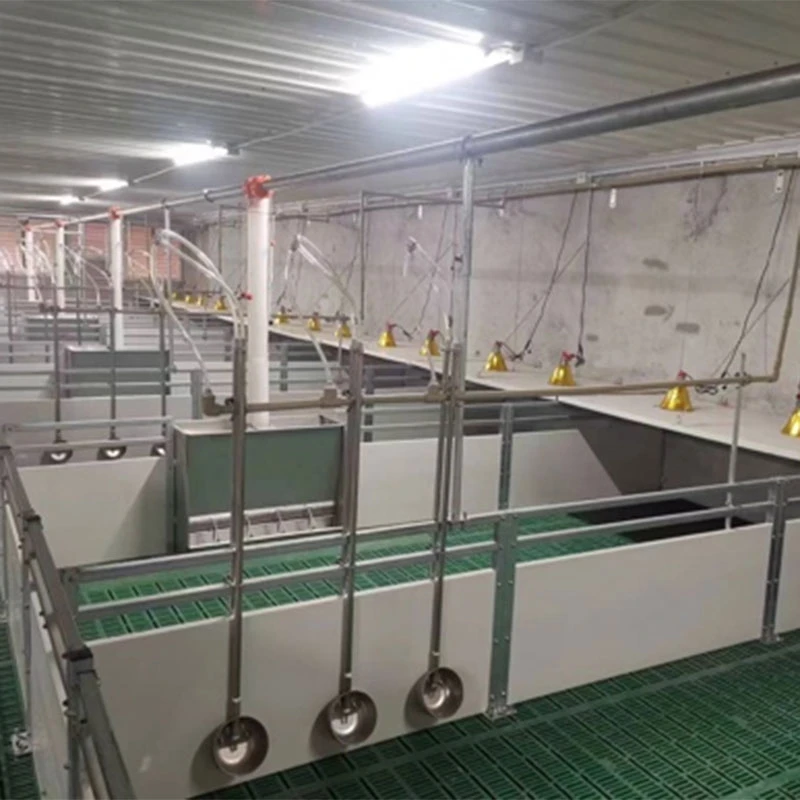
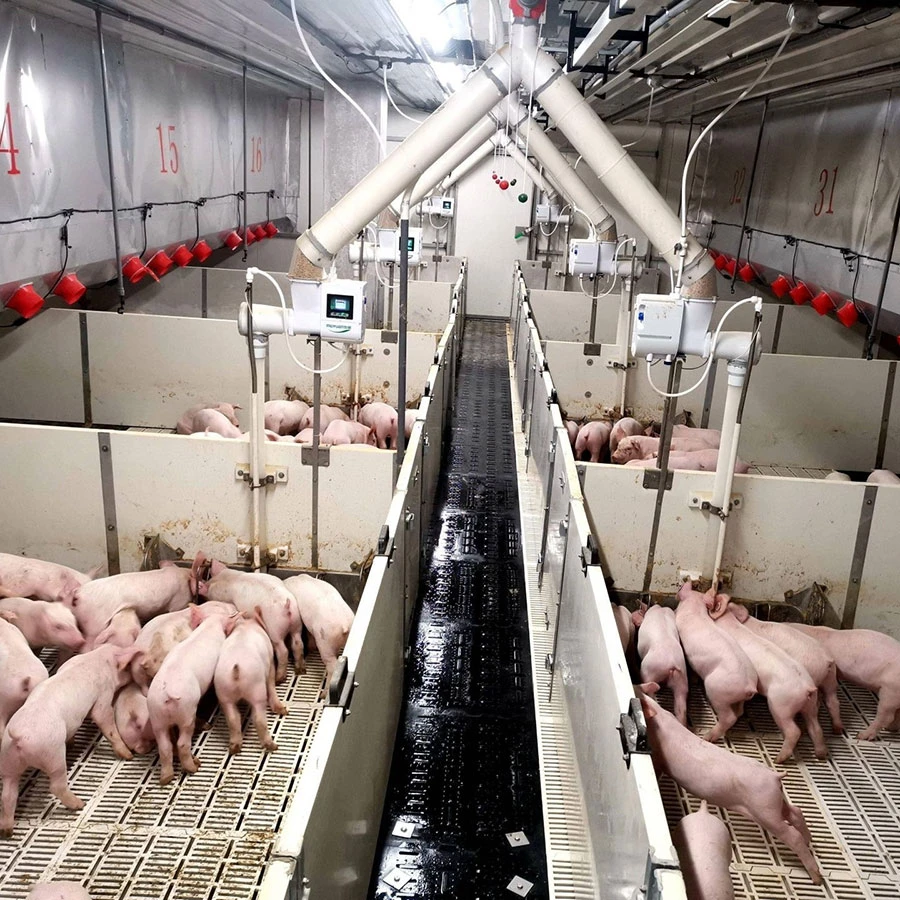
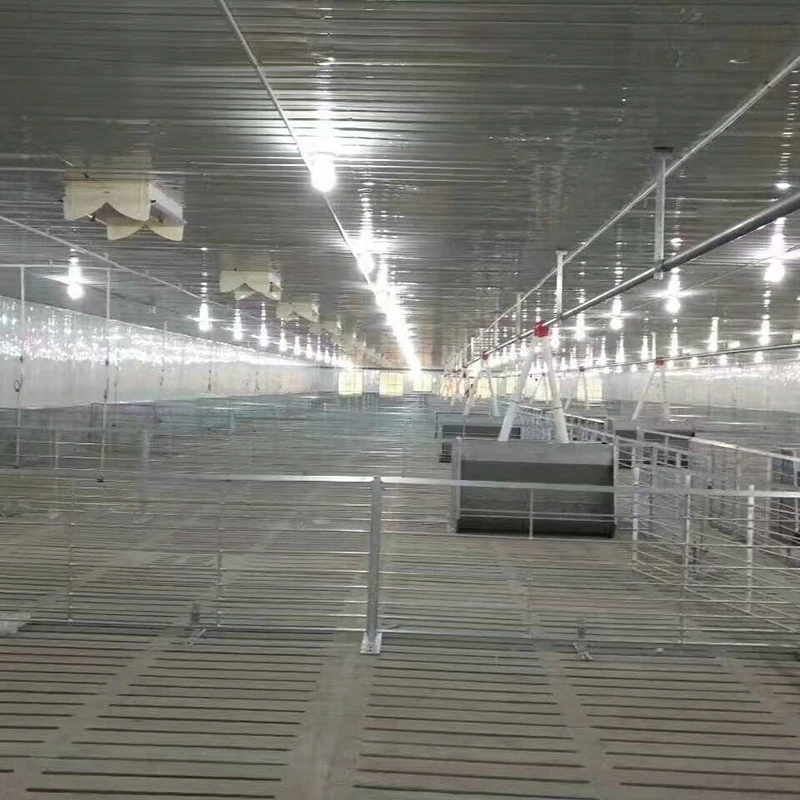
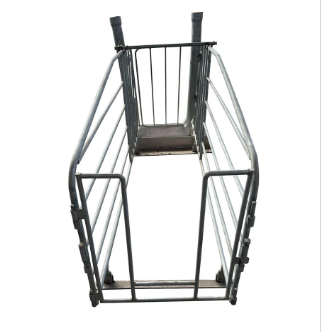
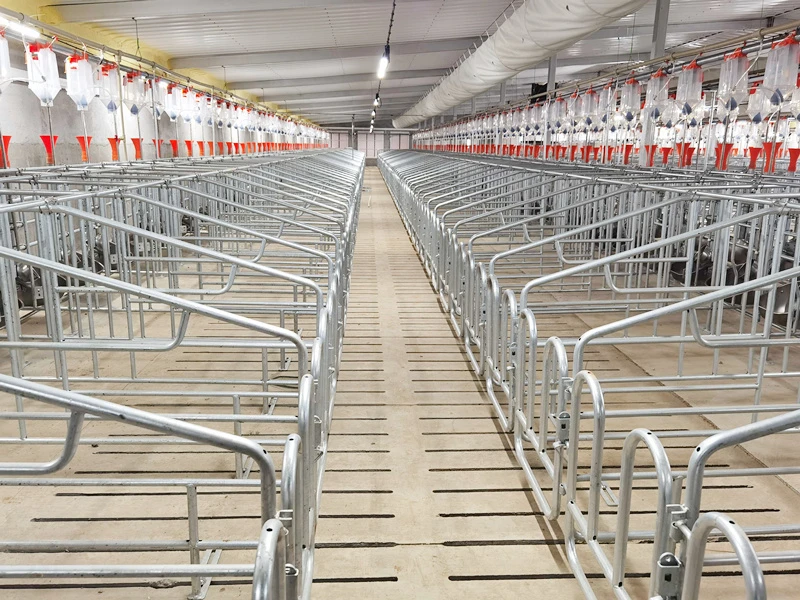
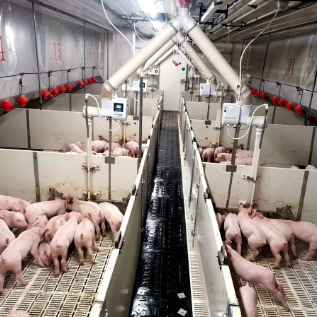
Farrowing pen plans are detailed blueprints or layout guides for constructing and outfitting enclosures where sows give birth (farrow) and nurse their piglets. They typically specify the pen’s dimensions, materials, flooring type, ventilation, and sometimes feeding and waste handling systems.
In modern commercial pig farming, well-designed farrowing pens ensure:
- Reduced piglet crushing incidents—where sows accidentally injure piglets.
- Improved hygiene to prevent disease.
- Comfortable temperature control for piglets sensitive to cold.
- Easy access for workers to monitor and assist.
Beyond commercial farms, well-thought pens dovetail with humanitarian needs in livestock support initiatives and rural development programs — supporting producers with better animal care while boosting productivity.
Core Components of Effective Farrowing Pen Plans
1. Durability and Material Selection
Many engineers stress the importance of materials that withstand wet, corrosive environments without rapidly deteriorating. Galvanized steel, treated wood, and durable plastics often feature prominently. The goal? Pens you can rely on through changing seasons and years of use without costly repairs.
2. Piglet Safety Features
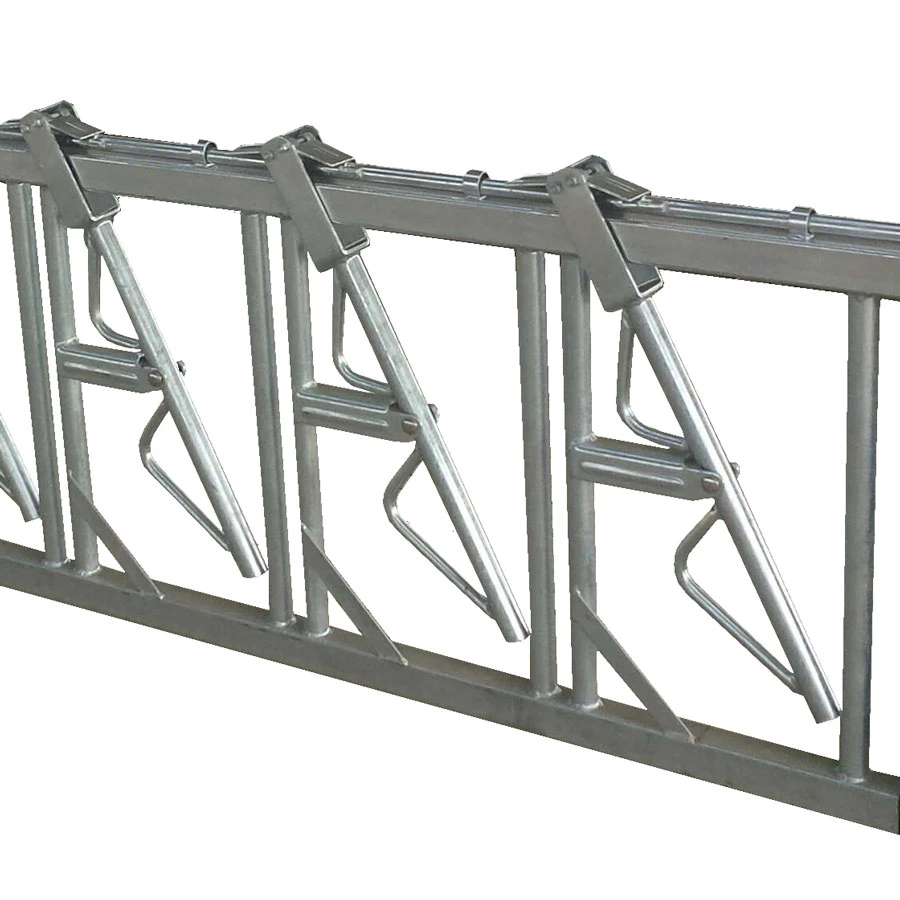
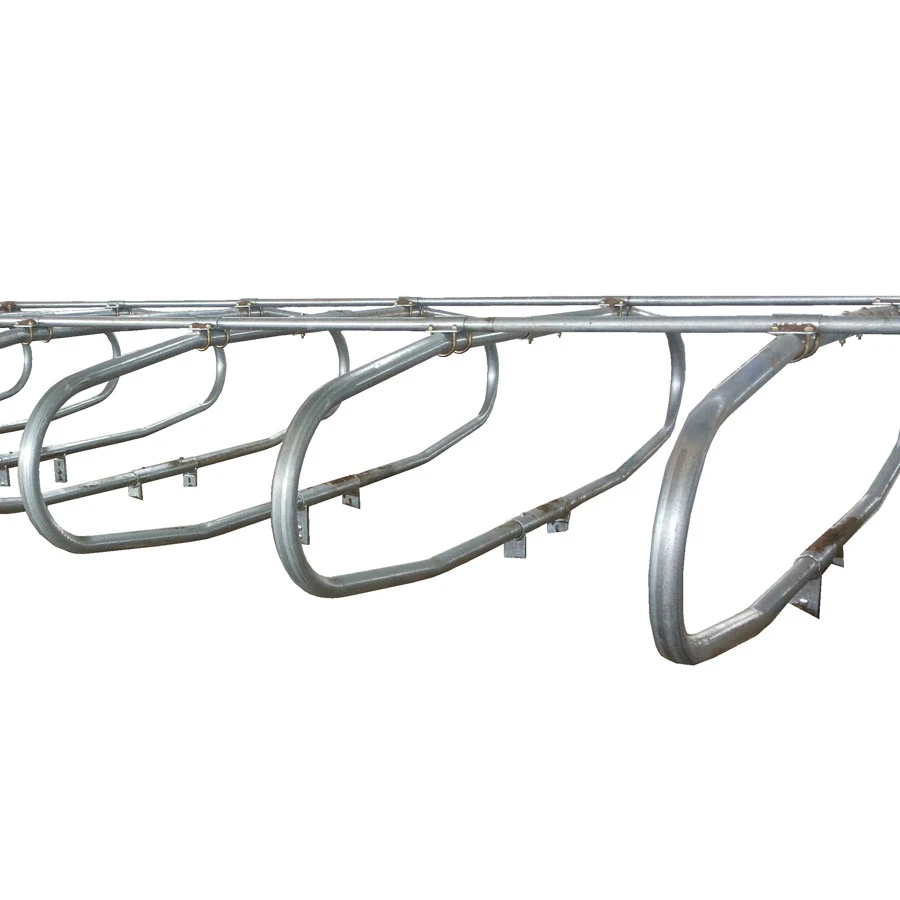
Too often, newborn piglets get crushed when the sow lies down. Pens commonly include "creep areas"—small warm zones only piglets can enter—which help protect them. Side rails, anti-crush bars, and adequate space are critical design parts that emerge from thoughtful planning.
3. Scalability and Adaptability
Designs that can be scaled or adapted for different farm sizes and local materials matter a lot—especially in regions with variable resources. Flexible pen plans can be modified for climate, herd size, or evolving industry regulations.
4. Ventilation and Climate Control
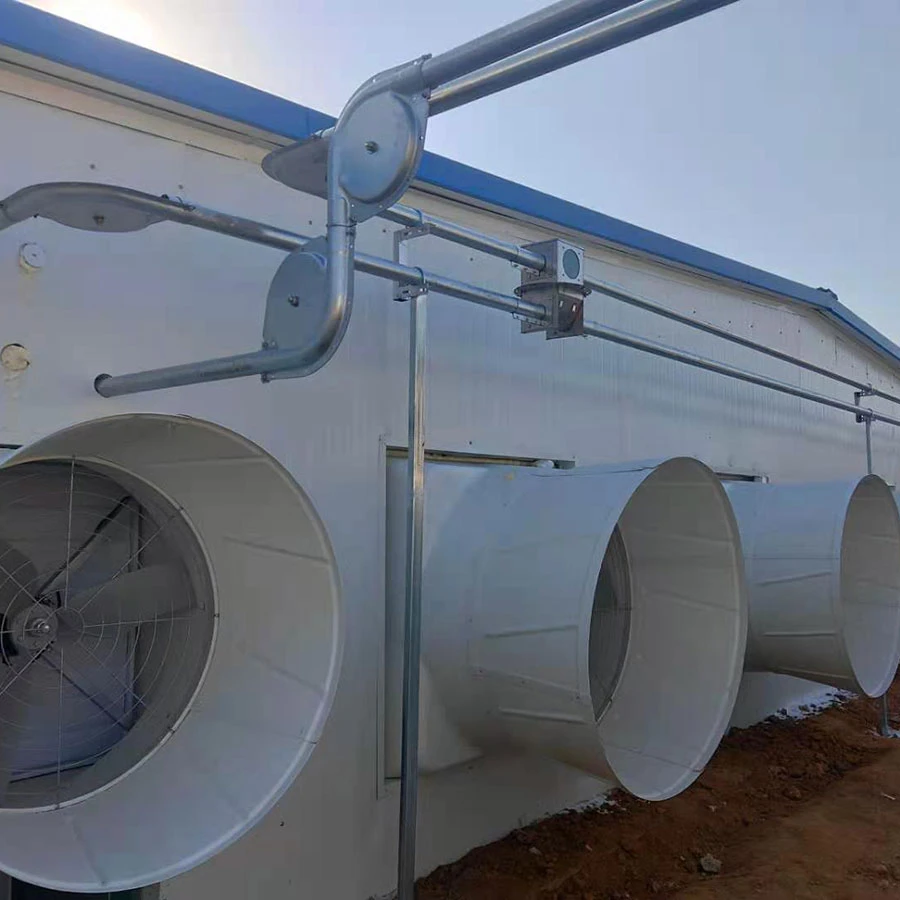
Good air circulation minimizes respiratory diseases and stress. Farrowing pens often integrate natural ventilation or fans, combined with thermal insulation or heat lamps to maintain piglet-friendly microclimates.
5. Cost-Efficiency and Ease of Cleaning
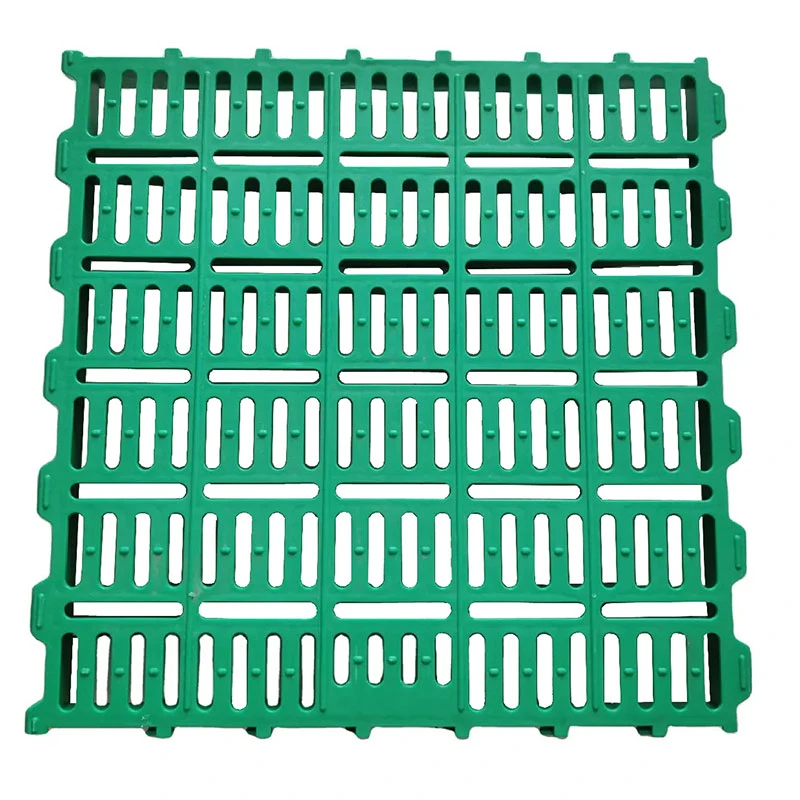
Farrowing pens that use modular designs or prefabricated parts save labor and money. Plus, smooth flooring materials that resist contamination drastically simplify daily sanitation processes, helping farms maintain higher biosecurity.
Mini Takeaway
Well-designed farrowing pen plans aren’t just blueprints — they’re essential tools bridging animal welfare, cost control, and farm productivity.
Where Farrowing Pen Plans Have Made a Difference Globally
Asia leads in pig farming volume, with countries like China and Vietnam rapidly adopting improved farrowing setups under government and NGO programs. In the U.S. and Europe, farrowing pen guidelines align with strict welfare regulations, pushing innovation in pen designs that minimize stress and disease spread.
In Sub-Saharan Africa, organizations working in rural development integrate simple, locally sourced farrowing pens to aid smallholders struggling with high piglet mortality.^3 In humanitarian contexts, livestock rehabilitation post-disasters benefits from modular pens shipped globally, allowing quick rebuilding of livelihoods.
Advantages and Long-Term Benefits
- Reduced Mortality: Fewer crushed pups and healthier environments save piglets and boost farm profitability.
- Sustainability: Durable materials and easy waste management reduce environmental impacts.
- Improved Animal Welfare: Meets growing consumer demand for ethically produced pork.
- Operational Efficiency: Less labor-intensive cleaning and better layout mean faster workflows.
- Community Impact: Livestock productivity underpins many rural economies—better pens help families stay afloat.
Flash Forward: Future Trends in Farrowing Pen Designs
Emerging trends include incorporating digital monitoring sensors within pens to track sow and piglet health. Automation for feeding and cleaning is becoming more feasible thanks to IoT advances. Materials innovation also points toward biodegradable composites that offer strength but reduce plastic pollution.
Greener energy sources integrated into farm systems—solar-powered warming lamps or ventilators—are no longer pipe dreams but slowly becoming standard features to cut farm carbon footprints. There's also renewed focus on modular, mobile pen units, ideally suited for relief operations or remote farms that need quick setups.
Challenges and How To Overcome Them
Cost remains a major hurdle, especially for small-scale farmers. While high-end pens present many benefits, upfront price tags can deter adoption, leading to use of suboptimal structures. The solution lies in developing tiered pen plans, from basic affordable versions using local materials to premium designs.
Another obstacle is ensuring knowledge transfer—farmers need accessible guides and training to fully benefit from new layouts. NGOs and agricultural extension services play a huge role here, sometimes even creating video tutorials or VR training modules to illustrate best practices.
Product Specifications: Typical Farrowing Pen Components
| Component | Standard Size | Material | Purpose |
|---|---|---|---|
| Pen Floor | 2.1m x 1.5m | Concrete with polypropylene slats | Durability, easy cleaning, waste drainage |
| Side Rails/Anti-Crush Bars | Adjustable height 50–70 cm | Galvanized steel | Piglet protection |
| Creep Area | 0.6m x 1.0m | Insulating plastic with heat lamps | Warmth zone for piglets |
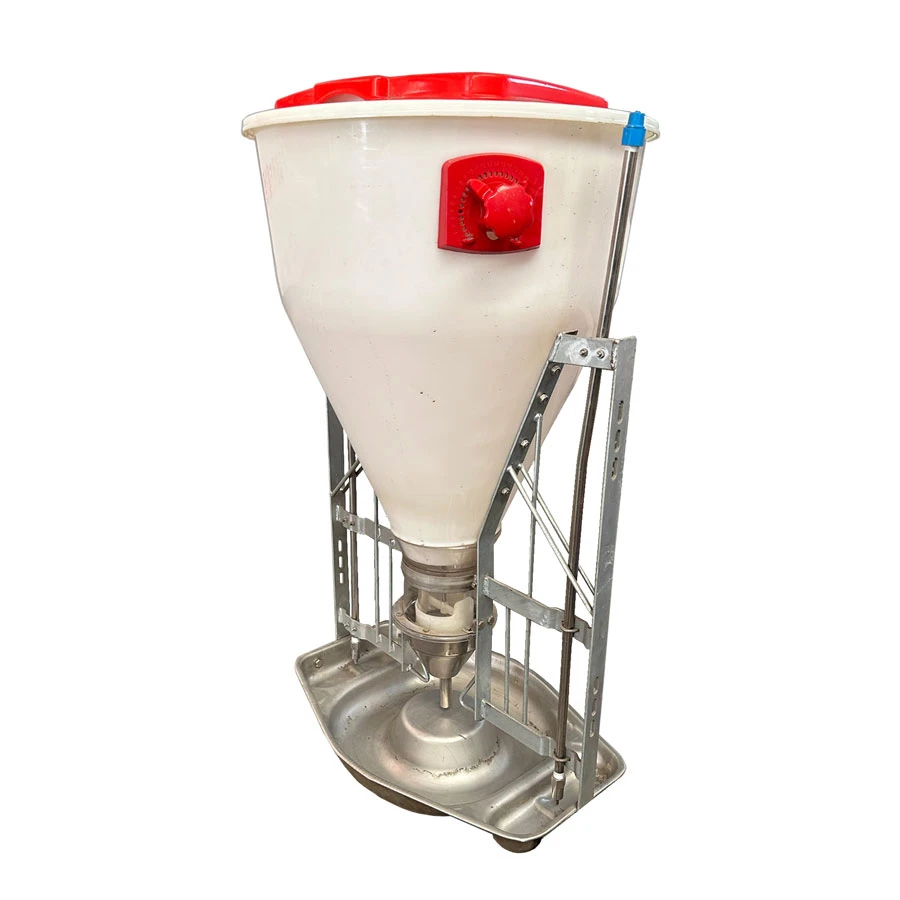
| Feeders & Waterers | N/A (standard size) | Stainless steel/plastic | Convenient sow nutrition |
Vendor Comparison: Popular Farrowing Pen Plan Providers
| Provider | Customization | Material Quality | Price Range | Ideal For |
|---|---|---|---|---|
| FarmTech Solutions | High (CAD design available) | Premium galvanized steel | $$$ | Large commercial farms |
| AgriBasics Co. | Moderate | Good-quality wood & steel | $ | Smallholder and mid-size farms |
| EcoPen Designs | Basic templates | Biodegradable composite panels | $$ | Eco-friendly operations & NGOs |
Frequently Asked Questions About Farrowing Pen Plans
Q1: What are the most cost-effective materials for farrowing pen construction in small-scale farming?
A: For smallholders, locally available treated wood combined with recycled plastic slats often hits the sweet spot between cost and durability. These materials provide adequate hygiene and reduce upfront investment, while still protecting piglets effectively.
Q2: How can proper farrowing pen plans reduce piglet mortality?
A: Proper plans incorporate anti-crush features like side rails and creep areas that give piglets safe zones away from sows. These design elements significantly lower crushing deaths, which account for a major portion of pre-weaning mortality.
Q3: Are there digital tools available to customize farrowing pens for my farm?
A: Yes, several vendors offer CAD-based customization services and even augmented reality apps to visualize pens in your barn space. This tech helps optimize layout before committing resources.
Q4: Can farrowing pen designs be adapted for hot or cold climates?
A: Absolutely. In colder regions, plans include insulated creep areas and heating sources, while hot climates favor enhanced ventilation designs and shaded pen roofs to avoid heat stress.
Q5: Where can NGOs find open-source farrowing pen plans for field use?
A: Many agricultural development organizations share free, adaptable farrowing pen guides online — a quick search will uncover open resources helpful for training and farm setup.
Wrapping It Up
In a nutshell, good farrowing pen plans are the unsung heroes of modern pig farming. They’re a simple but powerful way to boost animal welfare, cut losses, and improve farm sustainability. Whether you’re a budding farmer, NGO worker, or commercial operator, diving into these plans can unlock long-term value. If you want to learn more or see practical designs, don’t hesitate to check out our resource hub where you can explore tailored farrowing pen plans that fit your goals and scale.
Now, go ahead — because every piglet deserves a safe start.
References
Post time: Dec . 02, 2025