Why Cast Iron Floor Still Matters in Today’s Industry
If you’ve ever wandered through an old warehouse, factory, or even a heritage building, chances are you’ve stepped on a cast iron floor or seen one supporting heavy loads with a quiet confidence that only iron can claim. But beyond nostalgia, these floors are a timeless engineering success story. They combine durability, strength, and ease of installation, qualities still prized across industries worldwide.
Globally, the demand for robust infrastructure that supports heavy machinery, warehouses, or historical renovations spotlights the cast iron floor. The World Steel Association notes that cast iron remains an essential material for load-bearing solutions because of its cost-efficiency and longevity. Understanding its strengths and practical applications empowers industries to balance tradition with modern needs.
Mini takeaway: Cast iron floors are more than old-school relics — they’re dependable workhorses adapting even to contemporary challenges.
The Global Landscape: Why Cast Iron Floor Stays Relevant
From Asia’s sprawling industrial zones to Europe’s refurbished factories, cast iron floors are quietly underpinning global industry. According to UNIDO (United Nations Industrial Development Organization), there’s consistent use of cast iron components in infrastructure where strength and resilience count most.
But the challenge isn’t just about strength. In many regions, especially where resources are scarce or climates harsh, the ability to quickly deploy, repair, and maintain floors is a logistical puzzle. Cast iron floors address this by being modular and allowing easy piece-by-piece replacement. For developing economies and emergency relief operations, this means faster rebuilding and longer-lasting infrastructure.
Mini takeaway: Strong material + modular design = perfect match for global variability & rapid response.
What Exactly Is a Cast Iron Floor?
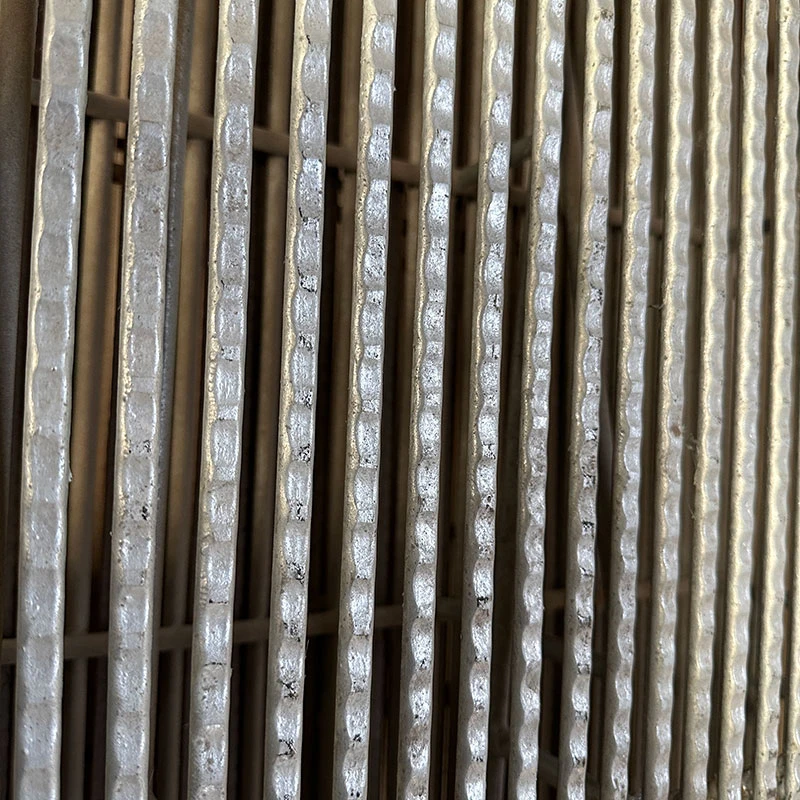
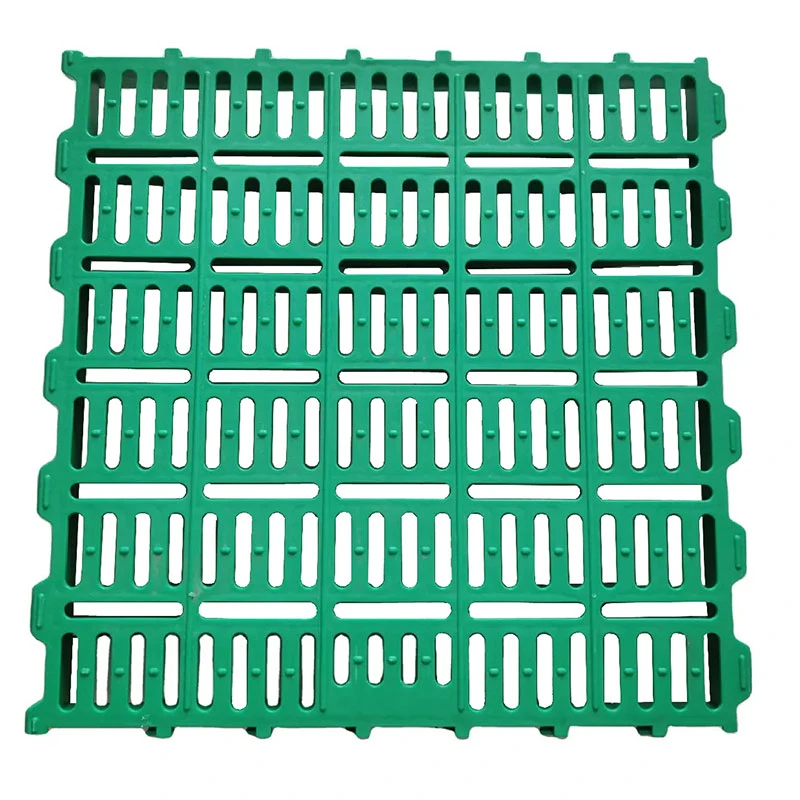
Put simply, a cast iron floor is a flooring system constructed primarily from cast iron plates or modules. These are often formed into grids or interlocking panels that distribute weight and resist heavy loads better than many other materials. Think of them as the skeletal structure your feet walk on, built to straddle decades, heavy machines, and drooling forklifts.
In modern industry, cast iron floors act like the quiet guardians supporting anything from factory equipment to heavy storage racks. Similarly, in humanitarian or disaster-relief shelters, durable floors that withstand rough conditions are essential — and iron’s inherent strength is a real asset.
Mini takeaway: A cast iron floor is more than metal beneath your feet; it’s a precision-built platform for heavy-duty tasks.
Key Factors that Make Cast Iron Floors Stand Out
1. Durability
Cast iron’s crystalline structure gives it excellent compressive strength. It wears incredibly well over time and handles repeated weight crush, making it ideal for warehouses or machine shops.
2. Scalability
Cast iron floors can be built using modular panels. This allows easy extension or downsizing depending on the facility’s needs, a flexibility that is golden for growing industries.
3. Cost Efficiency
While not the cheapest on upfront price, cast iron floors have a lower lifecycle cost. Their longevity and minimal maintenance reduce the need for costly repairs.
4. Installation Speed
Pre-fabricated panels mean faster onsite assembly, which matters when time equals money — or when rebuilding after a disaster.
5. Resistance to Environmental Stressors
Though susceptible to rust if not protected, proper coatings or alloying extend life span even in harsh environments.
How Cast Iron Floors Are Used Across the Globe
Industrially, cast iron floors line food processing plants, steelworks, and even foundries — places where heat, fatigue, and chemical exposure test every surface. For example, in northern Europe’s cold warehouse districts, cast iron flooring helps maintain hygiene and durability simultaneously.
In developing regions, NGOs have incorporated cast iron floor sections in stable shelters for refugees—offering better safety and dignity compared to dirt or makeshift wooden planks.
Even huge transport hubs rely on cast iron floors to absorb the impact of heavy freight loaders day in and out. That resilience translates into fewer closures or slowdowns.
Mini takeaway: From factories to shelters, cast iron floors walk the line between harsh demands and gentle care.
The Advantages & Long-Term Value of Investing in Cast Iron Floors
- Economical Over Time: You’re buying fewer repairs and replacements.
- Safety: Stable platforms reduce workplace injuries.
- Environmental Impact: Longer lifespan means less waste.
- Social Value: Durable floors improve living conditions in humanitarian contexts.
- Trust & Reliability: Decades of proven performance build client confidence.
There’s something reassuring about knowing the floor below won’t suddenly give out. It’s the kind of innovation that builds quiet trust—valuable maybe more than you realize.
Future Trends in Cast Iron Floors: What’s Coming Next?
Innovation isn’t just about shinier metals or fancier coatings (though those exist). Digital manufacturing techniques like 3D printing cast iron components are beginning to ease customization and reduce waste. Sustainable furnaces and alternative alloys aim to lower carbon footprints as climate concerns intensify.
Forward-thinking companies are exploring self-healing coatings or integrating sensors inside floor panels to monitor load, cracks, or corrosion automatically. The smart floor of the future might even communicate with maintenance systems to preempt failures — a kind of cast iron brain beneath your boots.
Challenges & Practical Solutions in Using Cast Iron Floors
Rust and brittleness at low temperatures have been traditional pains with cast iron. Experts have tackled these with improved alloy blends (adding ductile iron) and protective coatings. While heavier than steel alternatives, cast iron excels in compressive strength — meaning design must consider weight loads strategically.
Installation requires expert handling to avoid cracking, but modular designs and advanced welding techniques simplify this. Also, sourcing quality plates can be uneven geographically, but global supply chains and standardized ISO processes are smoothing access.
Product Specification Table: Typical Cast Iron Floor Panel
| Specification | Detail |
|---|---|
| Material | Ductile Cast Iron (ASTM A536 grade 65-45-12) |
| Panel Size | 600 mm x 600 mm |
| Thickness | 25 mm |
| Weight per Panel | ~36 kg |
| Load Capacity | Up to 15 tons/m² |
| Coating | Anti-corrosion epoxy finish |
Vendor Comparison: Cast Iron Floor Suppliers
| Supplier | Lead Time | Custom Options | Eco Standards | Typical Price Range (per m²) |
|---|---|---|---|---|
| IronWorks Ltd. | 4-6 weeks | Yes, modular sizes & finishes | ISO 14001 Certified | $85 - $110 |
| Global Metals Corp. | 6-8 weeks | Standard sizes only | No | $75 - $95 |
| EcoForge Solutions | 3-5 weeks | Yes, with recycled materials | ISO 14001 & LEED Compliant | $90 - $120 |
FAQs: Quick Answers About Cast Iron Floors
1. How long can a cast iron floor last in industrial settings?
With proper maintenance and protective coatings, cast iron floors can last 30–50 years or more, especially if they aren’t subjected to corrosive chemicals. Regular inspections and timely repairs significantly extend service life.
2. Is cast iron flooring suitable for outdoor environments?
Yes, but cast iron floors used outdoors must have robust anti-corrosion treatments because exposure to moisture and weather accelerates rusting. Stainless steel alloys or epoxy coatings help mitigate this.
3. Can cast iron floors be customized to unusual shapes or sizes?
Absolutely. Many manufacturers offer modular or bespoke panels, often using CNC machining to create special designs that fit unique spaces or load requirements.
4. Are cast iron floors environmentally friendly?
Cast iron is recyclable and has a long life cycle, reducing waste over time. Advances in eco-friendly production and coatings continue to improve sustainability.
5. How do NGOs procure cast iron floors for emergency shelters internationally?
NGOs usually partner with specialized vendors who provide modular panels shipped in containers, allowing quick assembly onsite. Custom export solutions and compliance with international standards facilitate this process.
Wrapping Up: Why Consider a Cast Iron Floor?
So, what’s the takeaway? A cast iron floor isn’t just a patch of metal ground; it’s a strategic investment in long-lasting strength, safety, and scalable design. Whether you’re upgrading industrial flooring, supporting post-disaster relief, or maintaining heritage sites, cast iron floors bring value that often surprises people once they dig in.
If you are ready to explore tailored cast iron flooring solutions that combine durability with customization, visit our website today and see how tradition meets innovation.
References
Post time: Dec . 02, 2025