Understanding Calf Dehorning Crates: Why They Matter Today
At first glance, a calf dehorning crate for sale might seem like just another piece of livestock equipment. But when you consider the bigger picture — animal welfare, farm safety, and industry efficiency — it becomes clear that these crates play a crucial role globally. Dehorning young calves is a common practice to prevent injuries among livestock and handlers, but doing so safely and effectively requires the right tools. That's where specialized dehorning crates come in. Knowing what to look for can save time, reduce animal stress, and even improve farm economics.
Mini takeaway: A well-designed dehorning crate isn't just a cage—it's a step forward in ethical, efficient livestock management.
The Global Landscape of Calf Dehorning Crate Demand
The global cattle industry is vast—millions of farmers worldwide manage cattle herds that sustain communities and economies. According to the Food and Agriculture Organization (FAO), the worldwide cattle population numbers over 1.5 billion heads. In many regions—from South America to Africa—the need for safe animal handling is critical for productivity and public health. Now, factor in that horns pose injury risks; the demand for dehorning solutions like crates has risen sharply. The World Bank’s livestock reports indicate that improving farm safety equipment reduces injury-related losses by up to 20%. Yet, many farms, especially in developing countries, still rely on makeshift or inadequate solutions.
The challenge: Finding durable, affordable, and efficient calf dehorning crates that can be distributed globally – especially to smaller farms and emerging markets.
Mini takeaway: If animal handling safety is a global concern, then accessible dehorning crates become a small but mighty piece of the puzzle.
What Exactly Is a Calf Dehorning Crate?
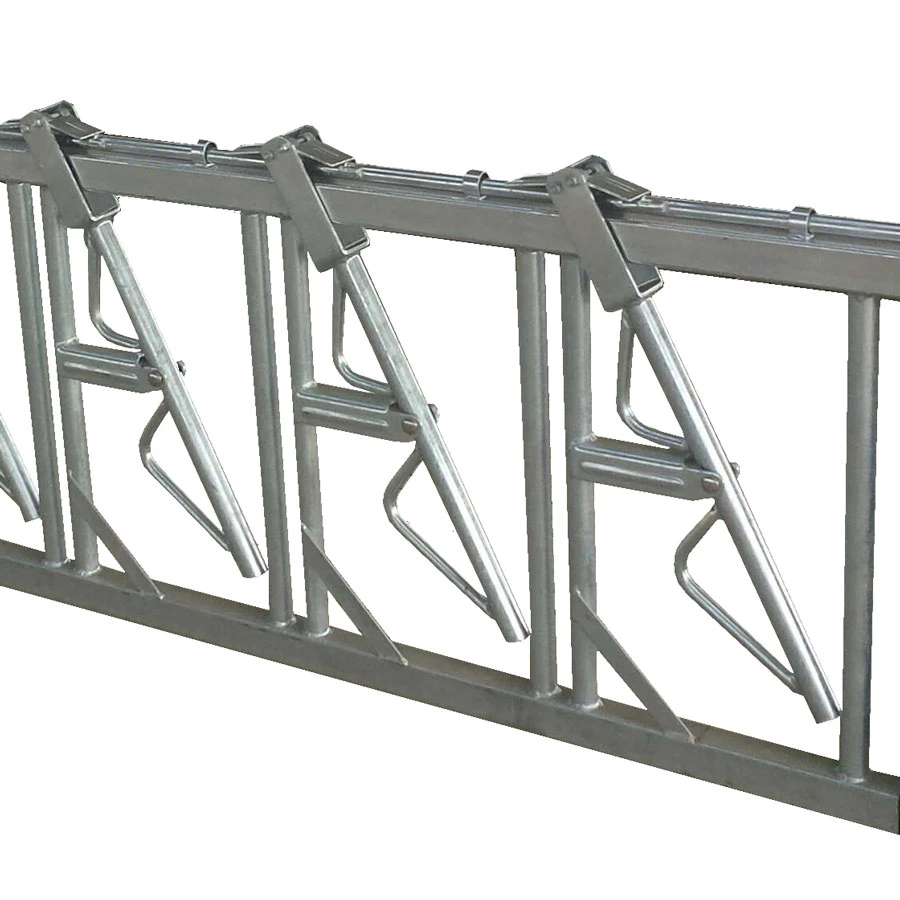
Simply put, a calf dehorning crate is a specialized restraint designed to safely immobilize young calves during dehorning procedures. The crate secures the animal to minimize movement, reducing stress and risk of injury both to the calf and the handler. Unlike typical livestock pens, these crates are shaped and padded precisely for ergonomics and ease of use.
In modern agriculture, they represent humane handling practices. Dehorning can be painful, so proper restraint combined with methods like local anesthetics ensures compliance with animal welfare standards (think ISO 10993 for biocompatibility of equipment touching animals). For humanitarian-minded livestock operations, the crate reflects an intersection between productivity and care.
Mini takeaway: It’s about combining safety, welfare, and efficiency in one carefully crafted tool.
Core Components and What Makes a Good Dehorning Crate
1. Durability & Material Quality
Crates demand robust construction—steel frames are common, often powder-coated to resist corrosion and rust. Why? Farms can be gritty, wet places. Rough handling from animals is expected, so flimsy materials just won’t cut it.
2. Animal Comfort & Safety Features
You might think “restraint” means uncomfortable—but modern crates have padded areas to protect calves from bruises or abrasions. Adjustable head restraints and seals reduce stress, and operators often report calmer animals when crates are thoughtfully designed.
3. Ease of Operation
The best crates are intuitive. Many have hydraulic or manual locking systems enabling one person to operate safely, reducing labor costs and injury risk.
4. Adaptability & Scalability
Farms are different sizes; some crates can be modified or stacked for multi-use. Portability is a plus, especially in areas where mobile veterinary services serve rural herds.
5. Cost Efficiency
Achieving the right balance between upfront cost and durability can greatly impact adoption rates among small farmers. Some vendors now offer financing or modular kits to help.
Product Specification Table
| Feature | Specification | Benefit |
|---|---|---|
| Frame Material | Powder-coated steel, 40x40 mm tubing | Corrosion resistance, durability for outdoor use |
| Dimensions | 120cm L x 60cm W x 80cm H | Suitable for calves aged 2-6 months |
| Head Restraint | Adjustable padded yoke with quick-release | Reduces stress, safer handling |
| Weight | Approx. 50 kg | Portable for farm use |
| Safety Features | Non-slip flooring & smooth edges | Improved calf stability and injury prevention |
Where Are These Crates Making a Difference?
The usage of calf dehorning crates spans continents but varies by industrialization levels and farming techniques. In developed countries like the USA, Canada, and parts of Europe, they’re standard equipment for dairy farms and feedlots. Many veterinarians recommend them during routine procedures at calf rearing farms.
Oddly enough, emerging markets such as Brazil and Kenya have seen a recent surge in demand too. NGOs working with smallholders emphasize animal welfare to boost milk yield and reduce disease. In places where veterinary visits are infrequent, farmers use portable crates during mass dehorning campaigns.
A practical example: A cooperative in South Dakota shared that switching to ergonomic dehorning crates dropped worker injury incidents by 30% in a year. It’s one of those seemingly small changes that ripple into big wins.
Mini takeaway: These crates aren’t just tools—they enable best practices everywhere, from commercial agribusinesses to remote farmers.
Advantages & Long-Term Value of Investing in Dehorning Crates
- Safety First: Safer for calves and handlers — preventing trauma and costly accidents.
- Animal Welfare: Less stressful procedures foster healthier herds and better productivity.
- Durability Saves Money: High-quality crates reduce replacements and maintenance costs.
- Boost Farm Reputation: Meeting animal welfare standards attracts better market prices, especially for dairy products.
- Efficiency Gains: Procedures take less time — meaning less disruption and more cost-effective labor.
There’s also something intangible here — farmers tell me it builds trust between themselves and their animals. It’s like a handshake that says “we care,” even if we have to be firm.
Looking Ahead: Trends & Innovations in Dehorning Crates
The future’s bright for calf dehorning technology. Some innovative vendors are introducing smart crates equipped with biometric sensors to monitor stress levels during handling. Imagine real-time feedback to minimize animal distress.
In terms of materials, composites and sustainably sourced timber hybrids are popping up as lighter, greener alternatives to steel. Integrating solar-powered LED lighting for nighttime use on farms is also trending.
Regulatory landscapes are evolving too. International standards increasingly demand humane livestock handling, nudging manufacturers to innovate accordingly — something ISO and OIE guidelines emphasize.
Mini takeaway: Tech-savvy and eco-conscious farming is no longer a dream — it’s becoming the norm for livestock crates.
Common Challenges and How to Overcome Them
Of course, no solution is perfect. Some farms find crates too costly initially, or struggle with portability in small-scale operations. Others face training gaps—operating crates improperly can stress calves more than help them.
A smart approach? Partner with local extension services or farming NGOs to provide hands-on demonstrations and encourage adoption. Modular crates can lower upfront costs, and leasing models are gaining traction.
Testing durability under extreme weather remains a challenge as well—ongoing R&D focuses on tougher coatings and weather-resistant designs.
Vendor Comparison Table
| Vendor | Material Quality | Price Range (USD) | Warranty | Customization |
|---|---|---|---|---|
| AgriHold Solutions | Powder-coated steel | $700 - $1,000 | 3 years | Adjustable sizes & accessories |
| CalfCare Inc. | Hybrid composite frame | $850 - $1,200 | 5 years | Modular & portable units |
| LivestockTech | Stainless steel with sensors | $1,200 - $1,800 | 2 years | Smart sensor integration |
FAQ: Practical Questions About Calf Dehorning Crates
Q1: How do I choose the right size crate for my calves?
A: Most crates accommodate calves aged 2 to 6 months, typically fitting animals weighing between 70-150 kg. Adjustable head restraint and crate width features help tailor the fit. Always measure your animals beforehand for best results.
Q2: Can one person operate the crate safely during dehorning?
A: Yes, modern crates often feature user-friendly locking mechanisms designed for single-operator convenience. Ensure proper training to minimize stress for both operator and animal.
Q3: Are these crates easy to move around the farm?
A: Portability depends on weight and design. Some models weigh around 50 kg and include wheels or modular parts for easier transport. For larger farms, fixed installations might be more practical.
Q4: Is dehorning always necessary?
A: Not always, but dehorning is a preventative step to reduce injuries among animals and handlers. Some breeds are naturally polled (hornless), but for horned breeds, dehorning young calves enhances safety.
Q5: Where can I find a calf dehorning crate for sale?
A: Several specialized livestock equipment suppliers sell these crates. For quality options and competitive prices, check out trusted sources like calf dehorning crate for sale listings online.
Wrapping Up
Investing in a calf dehorning crate for sale is more than just ticking a box on your farm's equipment list. It’s an investment in safety, humane animal treatment, and operational efficiency. The global push towards better livestock management standards means these crates are here to stay — and getting smarter by the season. If you’ve been hesitating or wondering where to start, maybe it’s time to finally explore your options. Check out specialized vendors and see what innovations could fit your farm’s needs.
For reliable options and to explore features firsthand, consider visiting calf dehorning crate for sale offerings online and discover a new standard in livestock care.
References
Post time: Nov . 30, 2025