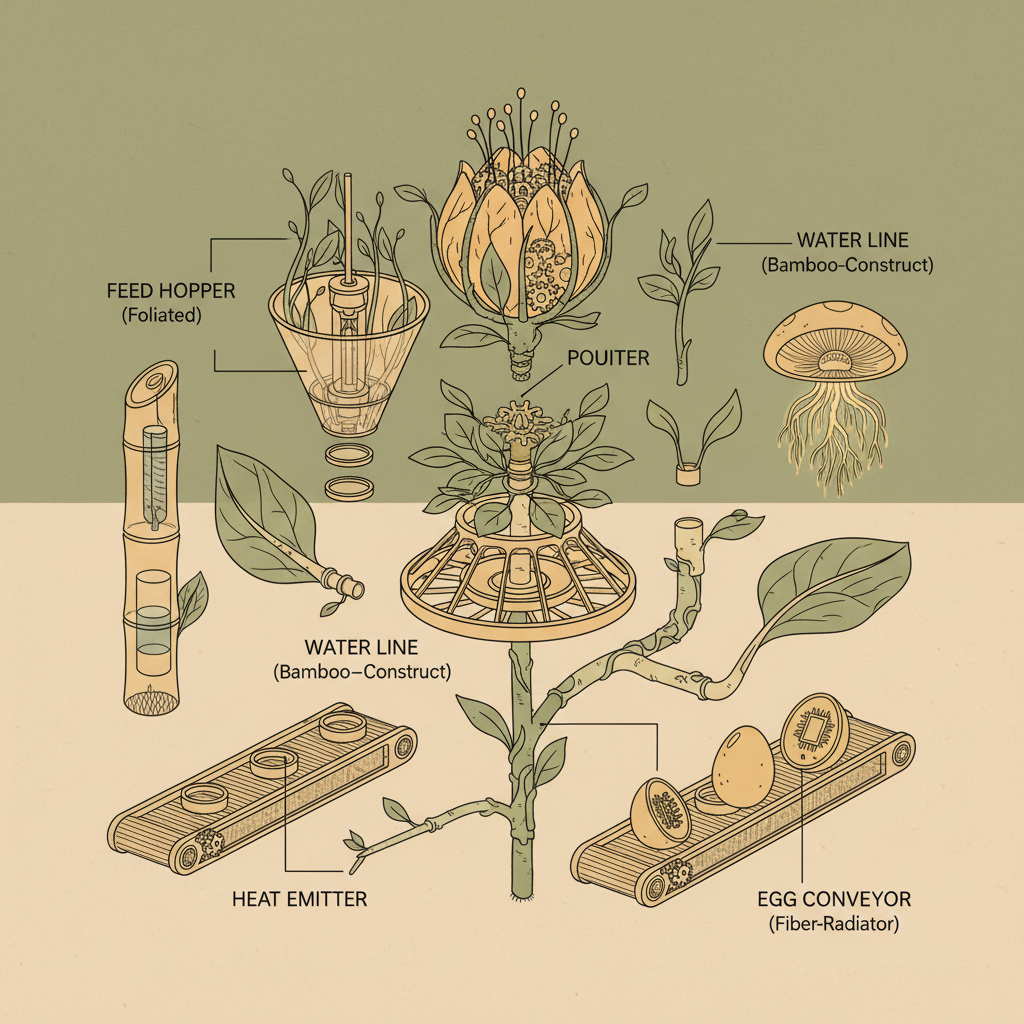
Maintaining consistent hydration is a fundamental pillar of livestock health, particularly for small ruminants in colder climates where water sources are prone to freezing. The implementation of a heated water trough for goats ensures that animals have uninterrupted access to liquid water, which is critical for digestion, thermoregulation, and overall metabolic function during winter months.
From a global perspective, the shift toward precision livestock farming has highlighted the necessity of specialized equipment that reduces labor costs while enhancing animal welfare. In regions with extreme temperature fluctuations, the absence of reliable watering systems can lead to decreased feed intake and increased susceptibility to respiratory infections, making specialized heating solutions a necessity rather than a luxury.
By integrating a heated water trough for goats into a modern farm layout, producers can stabilize production cycles and ensure that their herd remains resilient. This approach aligns with international animal welfare standards, emphasizing the prevention of distress and the promotion of natural behaviors through the provision of essential resources.
Global Importance of Thermal Water Management
The global livestock industry faces significant challenges regarding water security in temperate and arctic zones. When water troughs freeze, goats often suffer from dehydration, which directly correlates to a drop in milk production and slower weight gain in kids. This phenomenon is not just a local issue but a systemic challenge affecting meat and dairy exports in Northern Europe, Canada, and Northern Asia.
To combat this, the adoption of a heated water trough for goats has become a standard practice for commercial operations aiming for ISO-compliant animal welfare standards. By maintaining water at a constant temperature, farmers eliminate the manual labor of breaking ice daily, allowing them to focus on more critical herd management tasks and reducing the risk of injuries associated with frozen equipment.
Defining the Heated Water Trough System
A heated water trough for goats is a specialized livestock watering vessel equipped with an integrated heating element designed to keep water in a liquid state regardless of the ambient external temperature. Unlike standard troughs, these systems utilize thermostatically controlled heaters that trigger only when the water reaches a specific threshold, preventing energy waste while ensuring reliability.
In the context of modern agriculture, these systems are essential components of the "climate-controlled" farming philosophy. By ensuring that water is always available, the system supports the animal's natural metabolic rate, which increases in winter as the body works harder to maintain its internal temperature. This synergy between equipment and biology is key to maximizing livestock yield.
Beyond the simple act of heating, these troughs often incorporate features such as automatic refill valves and reinforced materials to withstand the physical impact of the animals. This transforms a simple water bowl into a robust piece of industrial equipment capable of operating autonomously in harsh outdoor environments for years.
Core Components for Maximum Durability
The effectiveness of a heated water trough for goats depends largely on the quality of its materials. High-grade plastics or galvanized steel are typically used to prevent rust and corrosion, ensuring that the water remains uncontaminated. The heating element itself must be shielded to prevent direct contact with the animals, combining safety with thermal efficiency.
Another critical aspect is the thermostat precision. A high-quality heated water trough for goats will utilize a sensor that can distinguish between a slight chill and a deep freeze, optimizing electricity consumption. This prevents the water from overheating—which could encourage algae growth—while ensuring it never reaches the freezing point.
Finally, the structural design must account for the behavior of goats, who are known for their curiosity and tendency to nudge equipment. Heavy-duty mounting brackets and impact-resistant walls are essential to ensure the heated water trough for goats remains stable and functional even under the pressure of a crowded herd.
Operational Efficiency and Cost Analysis
When evaluating the ROI of a heated water trough for goats, farmers must look beyond the initial purchase price. The primary value lies in the reduction of manual labor and the prevention of livestock health crises. The cost of treating a single dehydrated kid or losing a high-value doe to winter illness far outweighs the energy cost of running a thermal trough.
Furthermore, modern systems are designed for low-wattage operation, often utilizing submerged heaters that distribute warmth evenly. This ensures that energy is used efficiently, keeping operational overheads low while providing a consistent supply of water to the animals throughout the winter season.
Comparative Performance of Watering Systems
Real-World Applications in Diverse Climates
In the high-altitude regions of the Andes or the Rocky Mountains, where temperatures can drop precipitously overnight, the heated water trough for goats serves as a lifesaver. Farmers in these zones often utilize a combination of insulated housing and thermal watering to create a micro-climate that protects the herd from the harshest elements.
Similarly, in the sprawling pastoral lands of Australia or the American Midwest, these systems are integrated into larger automatic watering grids. By automating the heating process, large-scale operations can manage thousands of head of livestock across vast distances without the need for constant human intervention at every water point.
Long-Term Value for Farm Sustainability
The transition to a heated water trough for goats represents a move toward sustainable farming. By reducing the waste associated with broken troughs and the medical costs of winter-related illnesses, the farm's overall economic footprint becomes more predictable and stable. This reliability is key for farmers seeking long-term financing or insurance.
From an animal welfare perspective, providing constant access to water is an ethical imperative. The psychological stress experienced by animals when their basic needs are unmet can lead to behavioral issues and decreased immunity. A consistent water supply fosters a calm, healthy herd, which translates directly into higher quality yields.
Moreover, the durability of modern thermal equipment means that these investments last for a decade or more. When paired with energy-efficient heating elements, the lifelong cost of ownership is remarkably low compared to the productivity gains achieved through improved animal health.
Future Innovations in Livestock Watering
Looking forward, the integration of IoT (Internet of Things) into the heated water trough for goats is the next frontier. Smart troughs will soon be able to alert farmers via smartphone apps if a heating element fails or if water levels drop unexpectedly. This proactive maintenance will virtually eliminate the risk of water loss during winter storms.
We are also seeing a shift toward renewable energy integration. Solar-powered thermal troughs are becoming more viable, allowing farmers in remote areas to maintain liquid water without the need for expensive electrical grid extensions. This democratization of technology allows small-scale hobby farms to achieve commercial-grade animal care.
Additionally, the use of advanced composite materials—similar to those used in high-end plastic slat floors—will likely enhance the insulation properties of troughs. By reducing the amount of heat lost to the environment, the next generation of watering systems will be even more energy-efficient and environmentally friendly.
Technical Comparison of Heating Technologies for Goat Water Troughs
| Technology Type |
Energy Consumption |
Installation Complexity |
Durability Score (1-10) |
| Submerged Element |
Moderate |
Low |
7 |
| Thermostatic Plate |
Low |
Moderate |
9 |
| Solar Thermal |
Zero (Grid) |
High |
8 |
| Induction Heating |
Moderate |
High |
10 |
| Heat Tape Wrap |
High |
Low |
5 |
| Hybrid Insulated |
Very Low |
Moderate |
9 |
FAQS
Electricity usage depends on the ambient temperature and the trough's insulation. Most modern thermostatically controlled troughs use a low-wattage element that only activates when the water drops to roughly 3-5°C. On average, they are highly efficient, costing only a few dollars per month during the peak of winter, making them a cost-effective investment for any goat farm.
Professional-grade troughs are designed with the animals' behavior in mind. Heating elements are typically encased in protective stainless steel or embedded within the trough wall to prevent goats from chewing or kicking them. Choosing a model with a shielded design ensures maximum safety and a longer lifespan for the equipment.
Yes, in fact, it is even more critical for large herds. With more animals, the risk of "competition" for the few remaining unfrozen spots in a trough increases, which can lead to bullying and some animals going without water. A heated system ensures that all animals have equal, unfettered access to hydration.
Cleaning should be done by first disconnecting the power source. Use a soft brush and mild detergent to remove algae or sediment. Avoid using harsh chemicals or metal scrapers directly on the heating element or sensor. Once cleaned and rinsed, simply plug the system back in to resume heating.
Most high-quality thermal troughs are rated for extreme cold. However, in temperatures below -20°C, the efficiency of a standalone trough may decrease. We recommend pairing the trough with a wind-shielded enclosure or insulated housing to help the heating element maintain the water temperature more efficiently.
While tank heaters can work, a dedicated heated water trough for goats is usually more efficient because it is designed specifically for the volume and shape of a goat's drinking area. Dedicated troughs offer better temperature distribution and usually have higher safety ratings for small ruminants.
Conclusion
The implementation of a heated water trough for goats is a critical strategy for any producer operating in cold climates. By combining durable materials, precise thermal control, and animal-centric design, these systems ensure that hydration—the most basic need of any animal—is never compromised. From reducing labor costs to enhancing overall herd health and productivity, the value proposition of thermal watering systems is clear and measurable.
As the industry moves toward greater automation and sustainability, investing in high-quality livestock equipment is the only way to ensure long-term viability. We encourage farmers to evaluate their current winter watering protocols and consider upgrading to an automated thermal solution to safeguard their livestock's future. Visit our website: www.cxlivestock.com