Automated Feeder Systems: Feeding Tomorrow’s Efficiency Today
Feed automation? At first, it might sound like a niche farming upgrade. But automated feeder systems have quietly become global game changers, influencing agriculture, livestock management, and even humanitarian aid. With growing populations and resource challenges, understanding these systems isn’t just a techy bonus—it’s essential. They promise better precision, reduced labor costs, and improved animal welfare, and oddly enough, they reflect broader trends in how technology and sustainability find common ground.
Introducing Automated Feeder Systems on the World Stage
Worldwide, agriculture accounts for roughly 40% of employment, according to the World Bank, and the livestock sector is no small player. As demand for animal protein rises, so does the pressure on farms to be more efficient. Automated feeder systems help tackle chronic hurdles like feed wastage, uneven nutrition, and labor shortages.
Globally, about 25% of feed is wasted due to manual errors in distribution (FAO, 2021), not to mention the added costs and missed opportunities for optimal growth. Automated systems address these difficulties by streamlining feed delivery – timely, measured, and consistent. This is crucial particularly in emerging economies where mechanization can mean the difference between subsistence and surplus.
The urgency is clear: with climate change impacting feed availability, and a global population expected to reach 9.8 billion by 2050 (UN), innovative feeding solutions are no longer optional but necessary.
What Exactly Are Automated Feeder Systems?
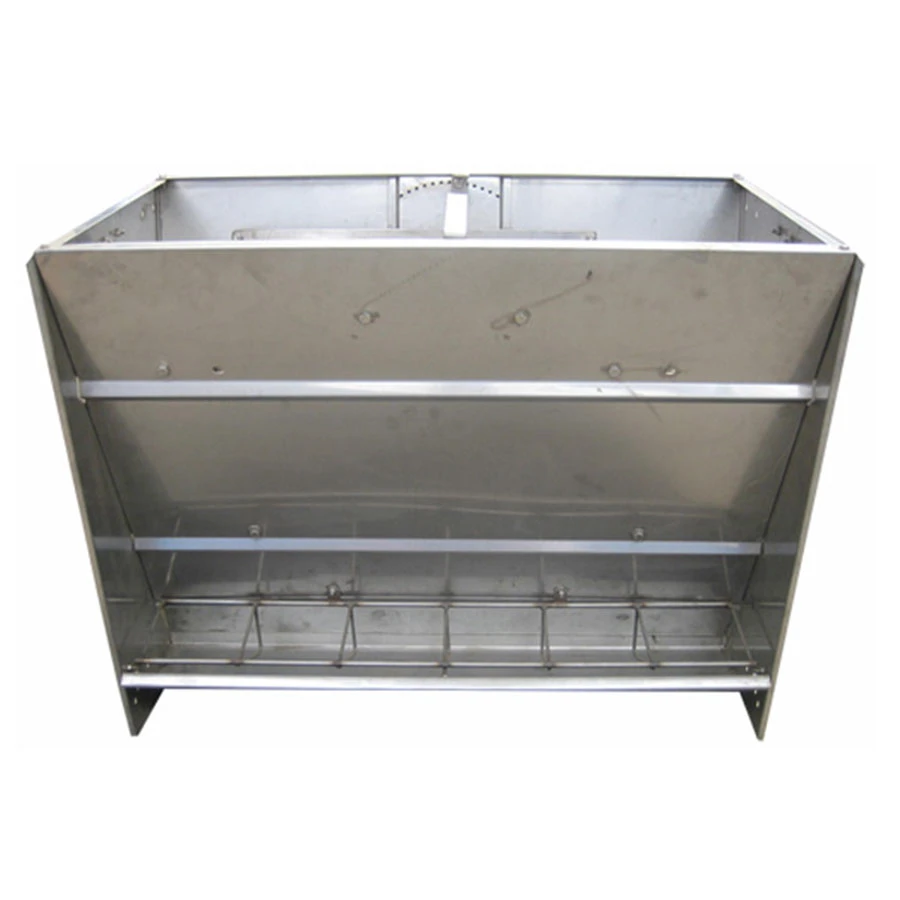
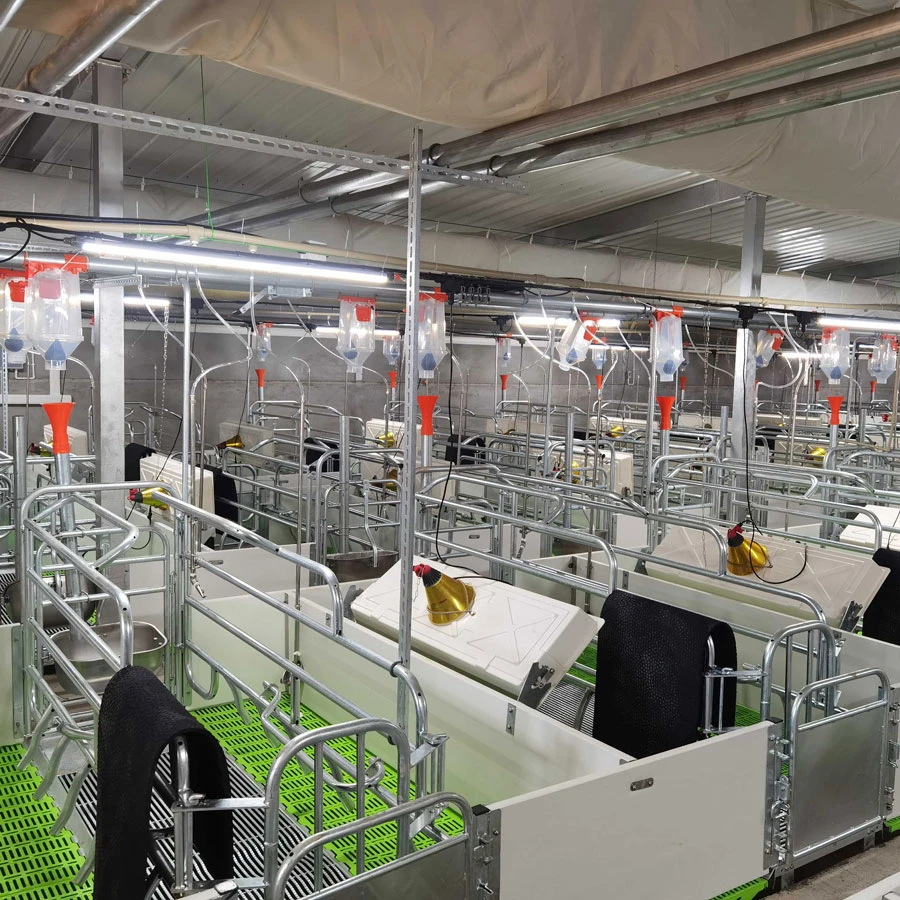
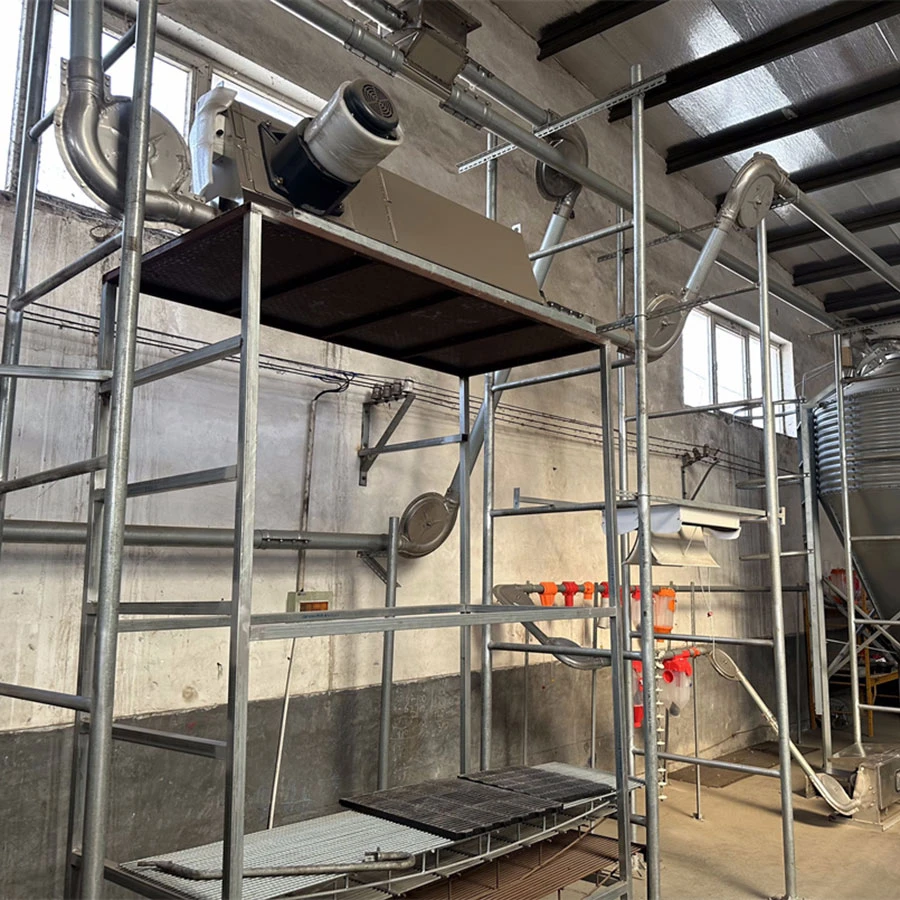
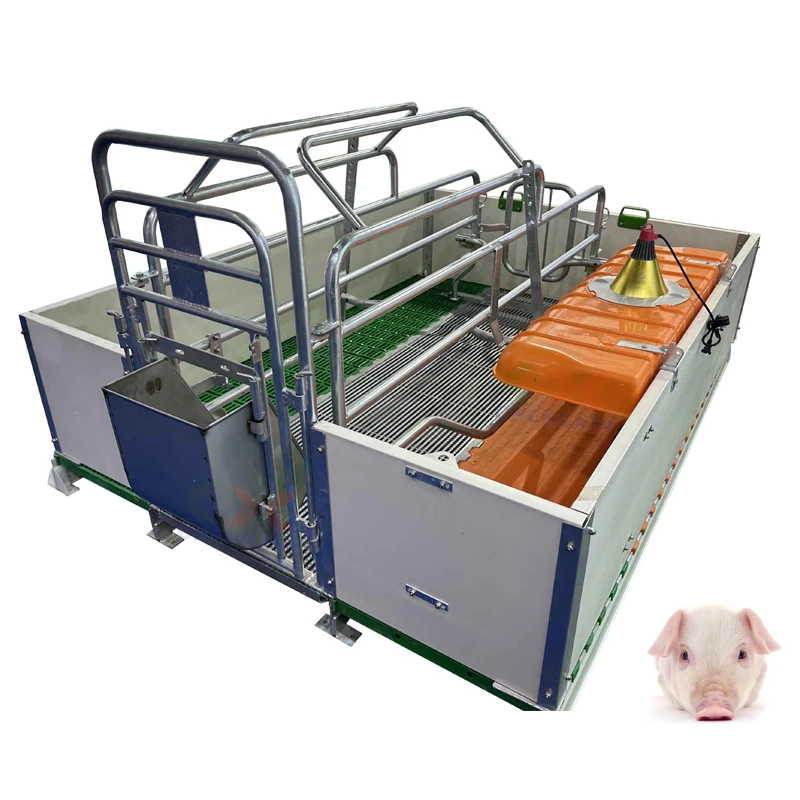
In everyday terms, an automated feeder system is a technology setup designed to deliver feed to animals or production lines with minimal human intervention. The system uses mechanical components, sensors, and often software to control feed quantity, timing, and distribution patterns.
But beyond the farmyard, these systems resonate with modern industry needs—efficiency, scalability, and hygiene. For NGOs in disaster-hit zones, automated feeding solutions can provide reliable nutrition to displaced livestock or even people, where labor is scarce and conditions challenging. So it’s a neat intersection of technology meeting real-world social needs.
Core Components That Make These Systems Tick
Precision Delivery
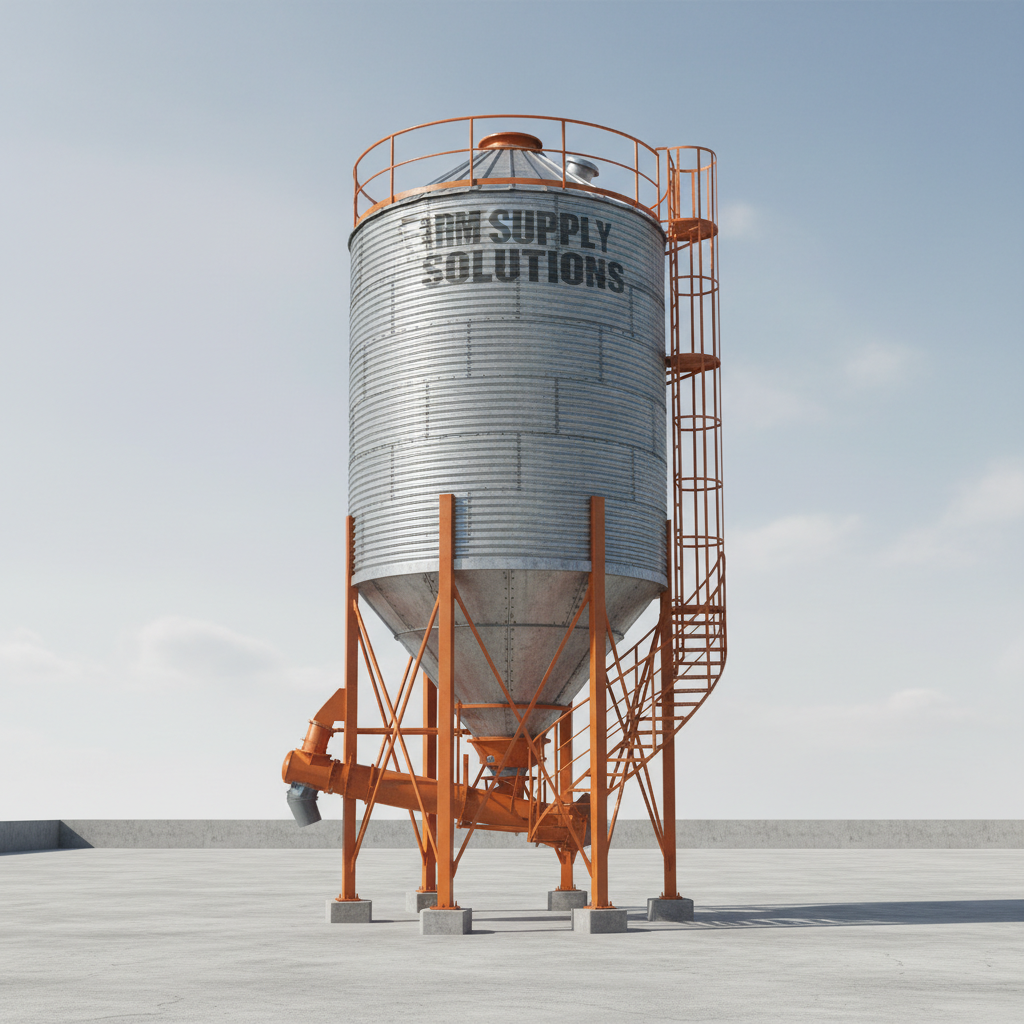
One of the standout features is precise feed measurement. Sensors and load cells ensure animals get exactly what they need — no underfeeding, no waste. This means healthier livestock and a predictable growth curve.
Simplicity & Durability
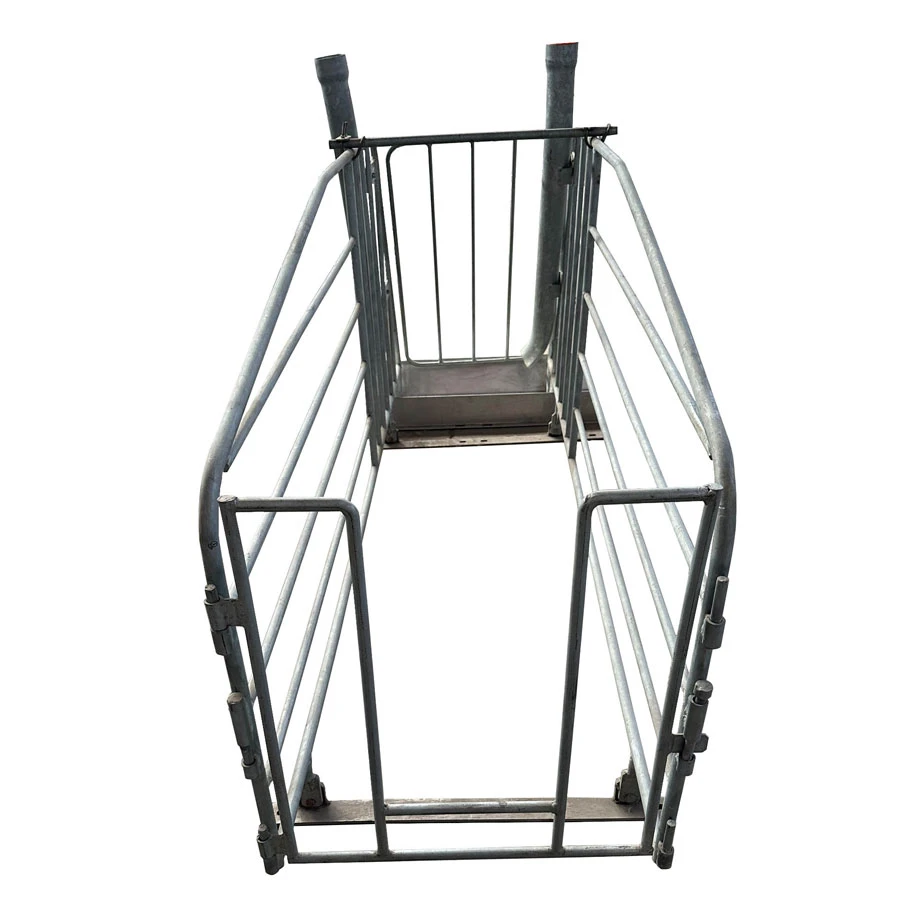
Out in harsh farms or remote zones, the ability to keep working through dust, moisture, and rough handling matters a lot. Engineers favor rugged materials like stainless steel and UV-resistant polymers to keep feeders reliable.
Scalability and Integration
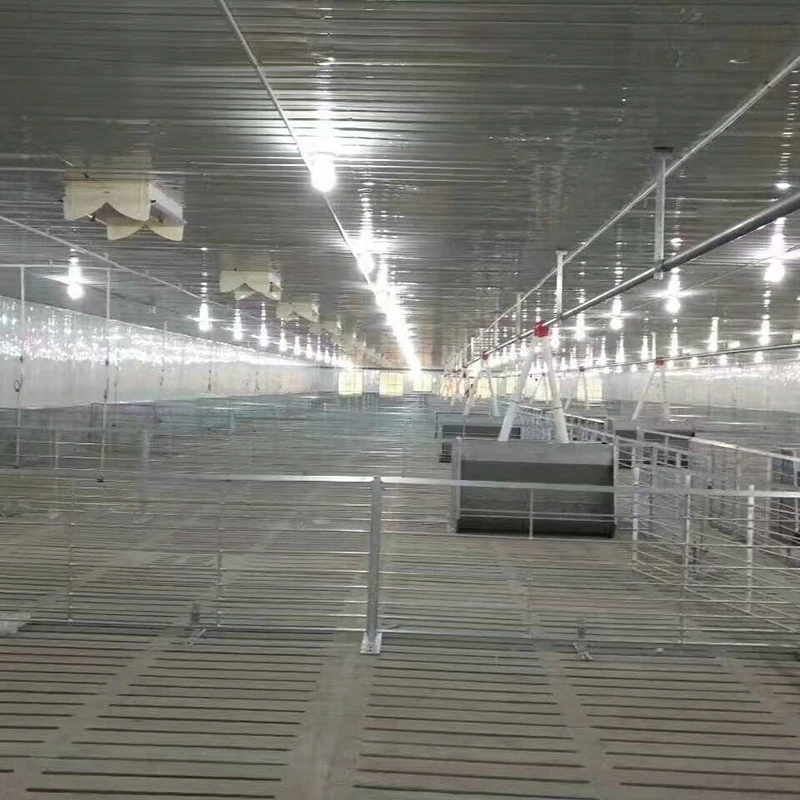
From smallholder farms to industrial livestock operations, automated feeders come in various sizes and complexities. Some integrate with larger farm management software, enabling centralized control over thousands of feeding points.
Energy Efficiency
Whether solar-powered feeders in remote areas or systems optimized for minimal electricity use, energy considerations have moved front and center. This helps reduce operational costs and carbon footprints.
Cost-effectiveness Over Time
Though initial investments may seem high, long-term savings on feed wastage, labor, and animal health translate into compelling ROI for many operators.
Where Do These Automated Feeding Systems Shine Globally?
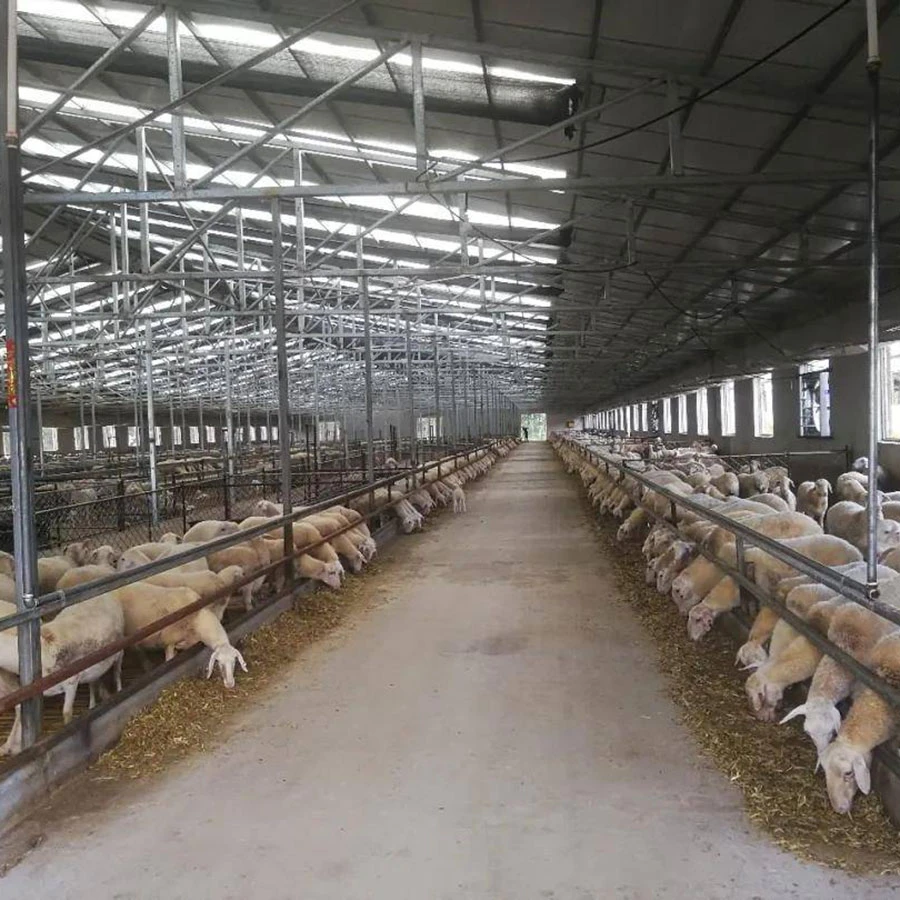
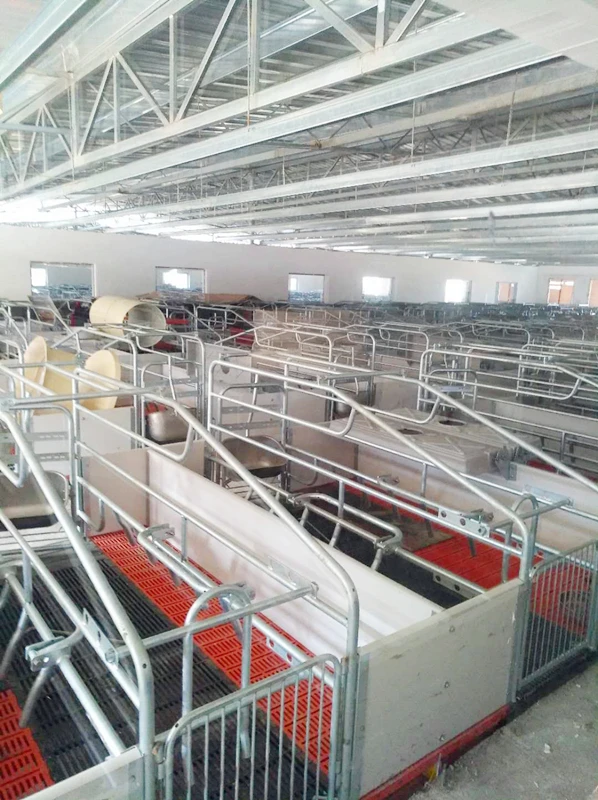
- Commercial Livestock Farms (North America & Europe): Automated systems streamline operations where margins are tight and animal welfare scrutiny is high.
- Smallholder Farms (Sub-Saharan Africa, Southeast Asia): Affordable models combined with solar power improve feeding reliability amid erratic power grids.
- Disaster Relief & Humanitarian Aid: Organizations use automated feeders to supply livestock nutrition quickly when traditional methods falter—helping communities get back on their feet.
- Industrial Aquaculture: Feeding fish at precise intervals enhances growth rates and reduces pollution from excess feed.
For example, a community in rural Kenya implemented solar-powered automated feeders last year. The results? Consistent milk yields and healthier cows even during a dry season that threatened fodder availability. The blend of tech with local contexts felt like a gentle revolution.
Advantages and the Long-Term Payoff
Automated feeder systems save money, sure. But they also deliver a peace of mind that's hard to quantify. Animals are less stressed thanks to consistent feeding; nutrition is optimized, reducing disease risks.
From an environmental angle, cutting back on wasted feed reduces methane emissions—a big deal because livestock are major contributors to greenhouse gases. And socially, automation frees farmers to focus on other critical tasks, or just breathe easier after a hard day.
Specifications of a Typical Automated Feeder System
| Feature | Specification | Typical Benefit |
|---|---|---|
| Feed Capacity | 100–500 kg hopper | Supports multiple feeding cycles |
| Power Source | Solar with battery backup / AC | Reliable operation in off-grid locations |
| Control Interface | Mobile app / Web dashboard | Real-time adjustments & alerts |
| Material | Stainless steel, UV-resistant plastic | Durability in varied climates |
| Sensor Technology | Weight load cells, infrared | Accurate feed dispensing monitoring |
Comparing Top Automated Feeder System Vendors
| Vendor | Region Served | Unique Feature | Starter Price (USD) |
|---|---|---|---|
| FarmTech Solutions | North America, Europe | AI-driven feed optimization | $4,500 |
| GreenGrow Systems | Global, focus Africa/Asia | Solar power & modular design | $3,200 |
| AgriFlow Automation | Europe, Australia | Cloud connected with analytics | $5,000 |
Brightening the Horizon: Future Trends in Automated Feeder Systems
The industry isn’t resting. Next-gen feeders will lean heavily on IoT and AI, allowing farmers and operators to predict feeding needs based on weather patterns, animal behavior, or growth phases. There’s buzz around biodegradable materials too, making systems greener from the ground up.
Energy-wise, combining solar and micro-hydro systems could revolutionize off-grid applications. Plus, with increasing digital connectivity, remote zones will soon access updates and troubleshooting without a tech person on-site—a small thing, but huge for isolated communities.
Challenges & What’s Being Done About Them
Of course, no solution is perfect. Initial setup costs remain a roadblock for smallholders, though financing and subsidies are slowly improving access. Additionally, technology adoption sometimes clashes with tradition or lacks localized support.
To counter this, partnerships between governments, NGOs, and vendors focus on training programs and modular systems adaptable to local feed types. The automated feeder systems we often discuss tend to offer scalable packages exactly for this reason.
Frequently Asked Questions About Automated Feeder Systems
- How do automated feeder systems reduce feed wastage?
- They use sensors and timers to dispense precise amounts at set times, avoiding overfeeding or spillage common with manual methods.
- Are these systems suitable for small farms?
- Yes, many models are specifically designed to be affordable and easy to use for smallholder farms, sometimes powered by solar to handle off-grid situations.
- Can automated feeders improve animal health?
- Consistent and properly timed feeding reduces stress and digestive issues, supporting better overall animal health.
- What maintenance do these systems require?
- Routine cleaning to prevent feed buildup, periodic sensor calibration, and software updates—most vendors offer detailed maintenance guides.
- Is integration with farm management software common?
- Increasingly so. Integration enables data-driven decisions, helping farmers monitor feed costs and animal growth more effectively.
Wrapping Up: Why Automated Feeder Systems Matter
At the crossroads of technology and agriculture, automated feeder systems stand as quiet but powerful solutions to age-old problems. By reducing costs and labor, improving animal wellbeing, and cutting environmental impacts, they pave a path toward smarter, more sustainable food production.
Whether you operate a massive commercial farm, run a small community project, or support disaster relief efforts, adopting these systems could mean the difference between struggling to keep pace and thriving. Curious to explore options or dive deeper? Visit our site for tailored automated feeder systems designed for your needs — because feeding the future can start today.
Post time: Dec . 02, 2025