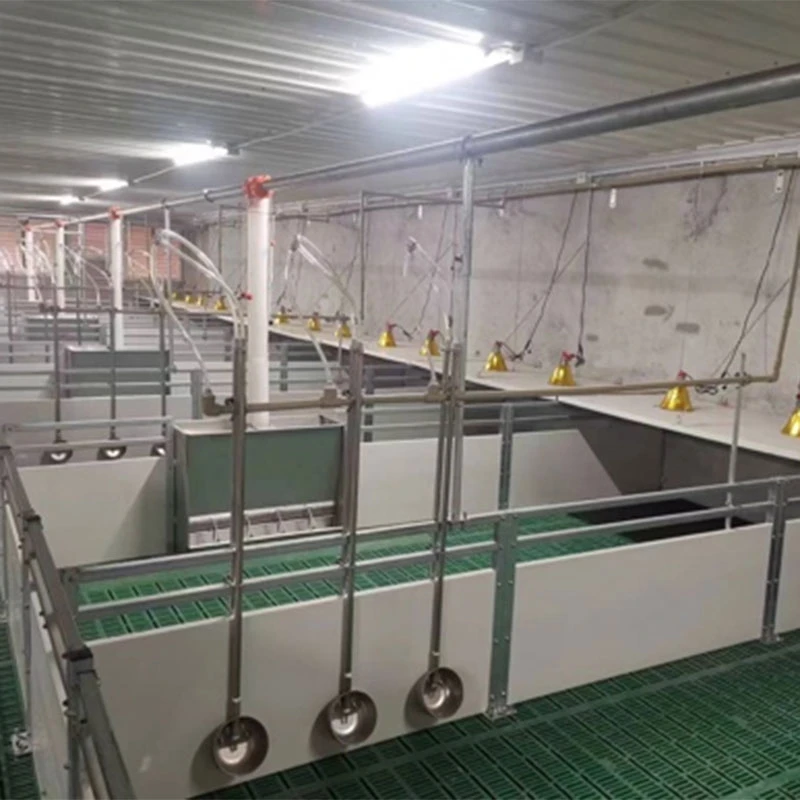

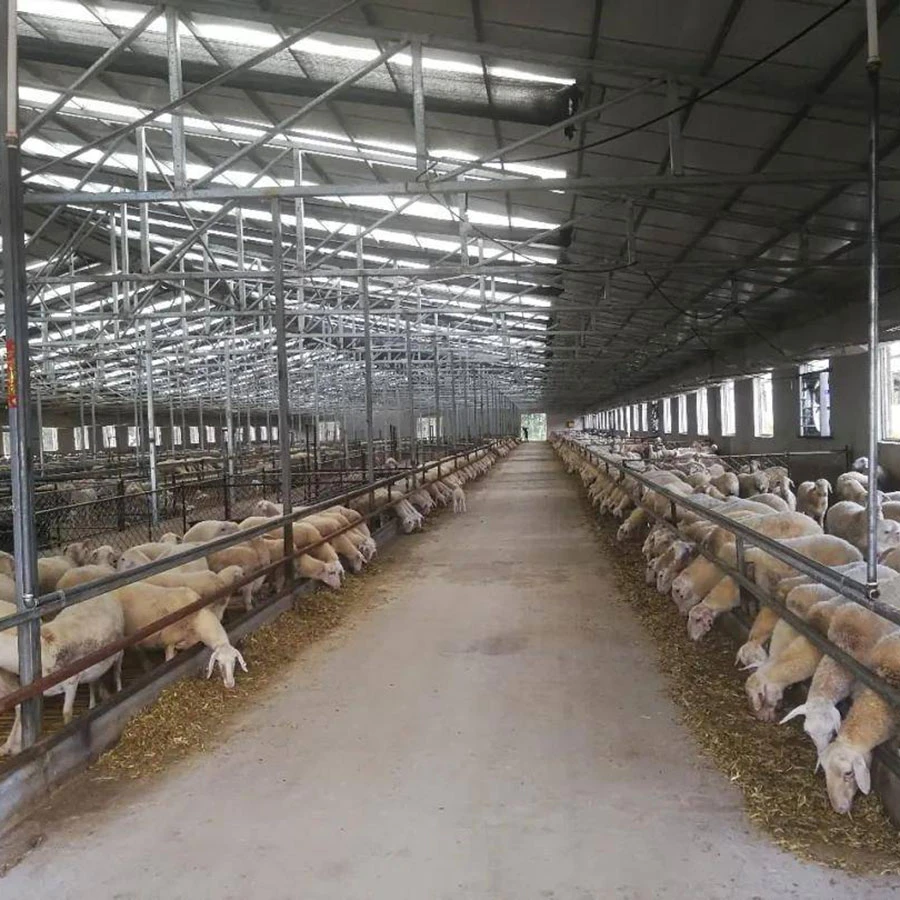
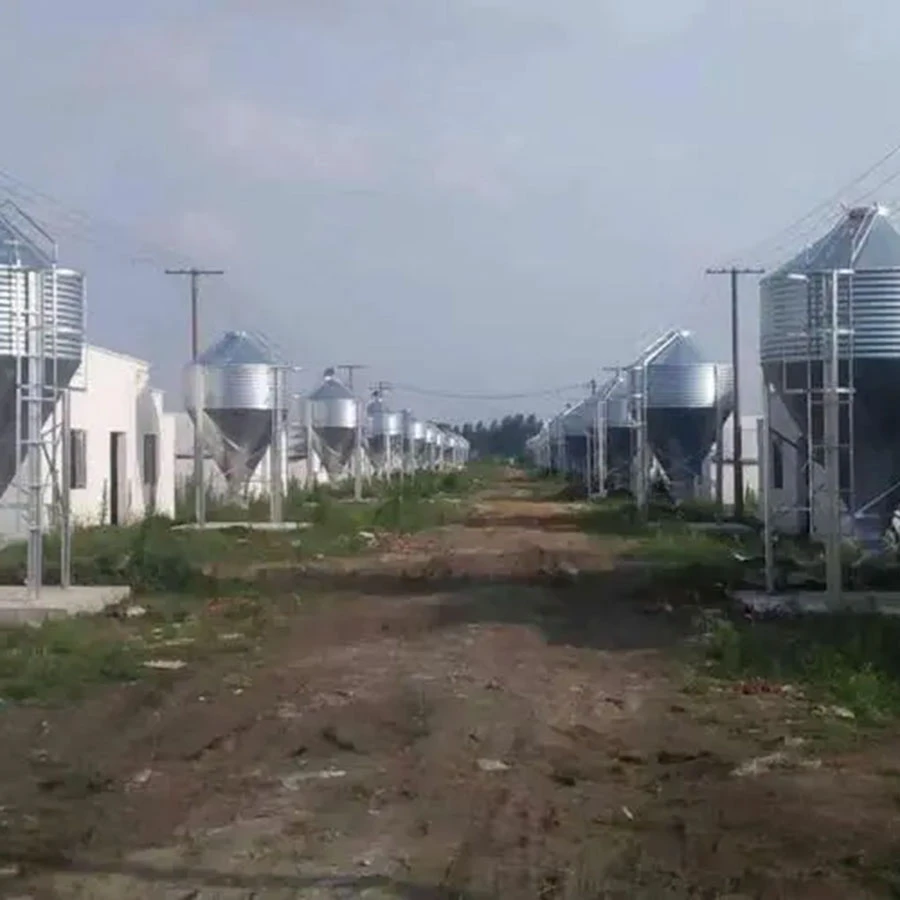
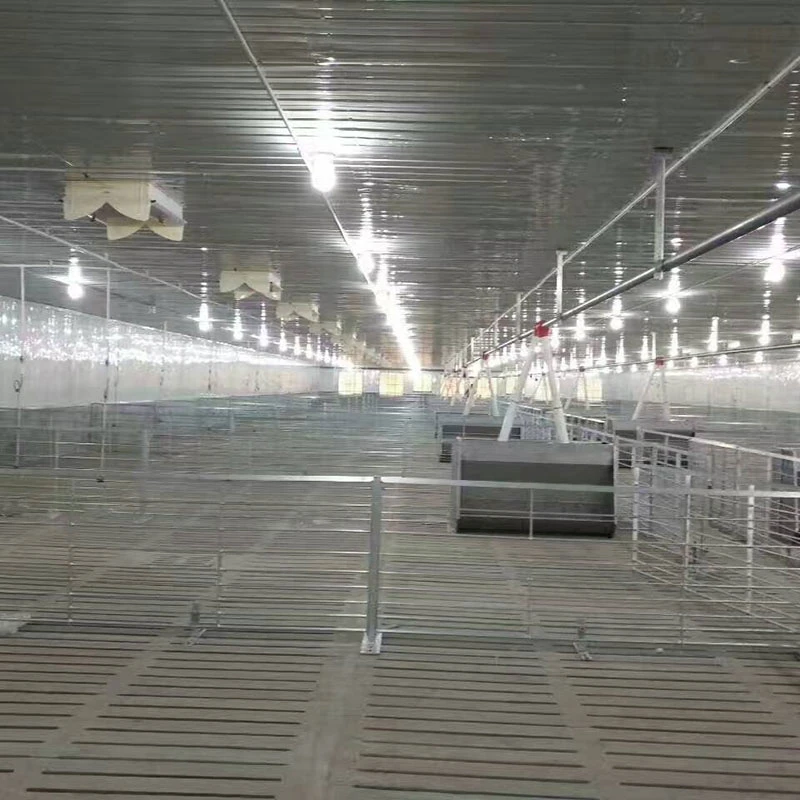
Tanzania's livestock sector is currently transitioning from subsistence farming to commercial scales. In regions like Arusha and Dodoma, the adoption of professional equipment in poultry farm management is increasing to combat high mortality rates caused by inefficient manual handling.
The tropical climate of Tanzania presents significant challenges, particularly heat stress. Many traditional farms lack a standardized poultry pen house design, leading to poor ventilation and increased vulnerability to avian diseases, which hinders the overall productivity of the regional poultry supply chain.
Simultaneously, the sheep and goat sectors in the semi-arid zones are seeking modernized sheep feeding equipment to reduce feed wastage and improve nutritional intake, moving away from open-ground grazing toward controlled feeding systems.