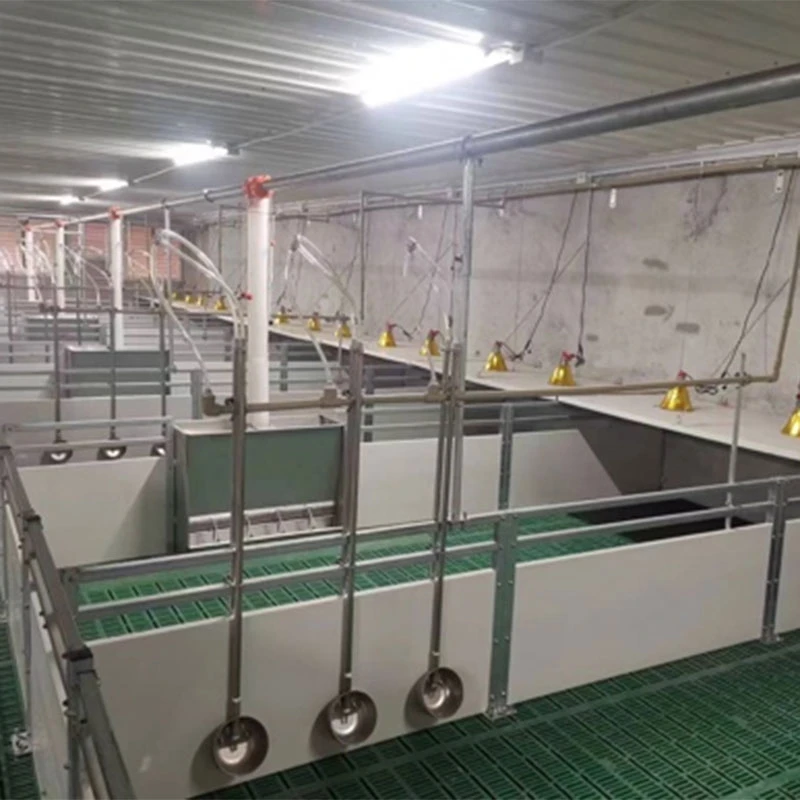
Advanced poultry breeding equipment Solutions for Sri Lanka

Optimizing livestock productivity through precision engineering and climate-adaptive husbandry technology across Sri Lankan farms.

Advanced poultry breeding equipment Solutions for Sri Lanka

Implementing world-class husbandry equipment to enhance yield and animal welfare in the unique tropical environment of Sri Lanka.

Current Status of Livestock Infrastructure in Sri Lanka

Analyzing the intersection of tropical climate challenges and traditional farming methods.

In Sri Lanka, the livestock sector faces significant hurdles due to high humidity and temperature fluctuations. Many farmers still rely on open-sided shelters, which struggle to provide the consistent environment required for a high-performance poultry pen house, leading to heat stress and increased mortality rates in broiler and layer populations.

The adoption of automated equipment in poultry farm management is growing but remains fragmented. While large-scale commercial enterprises have integrated climate control, small-to-medium holders still struggle with manual feeding and watering systems that lead to significant waste and inconsistent nutrient intake.

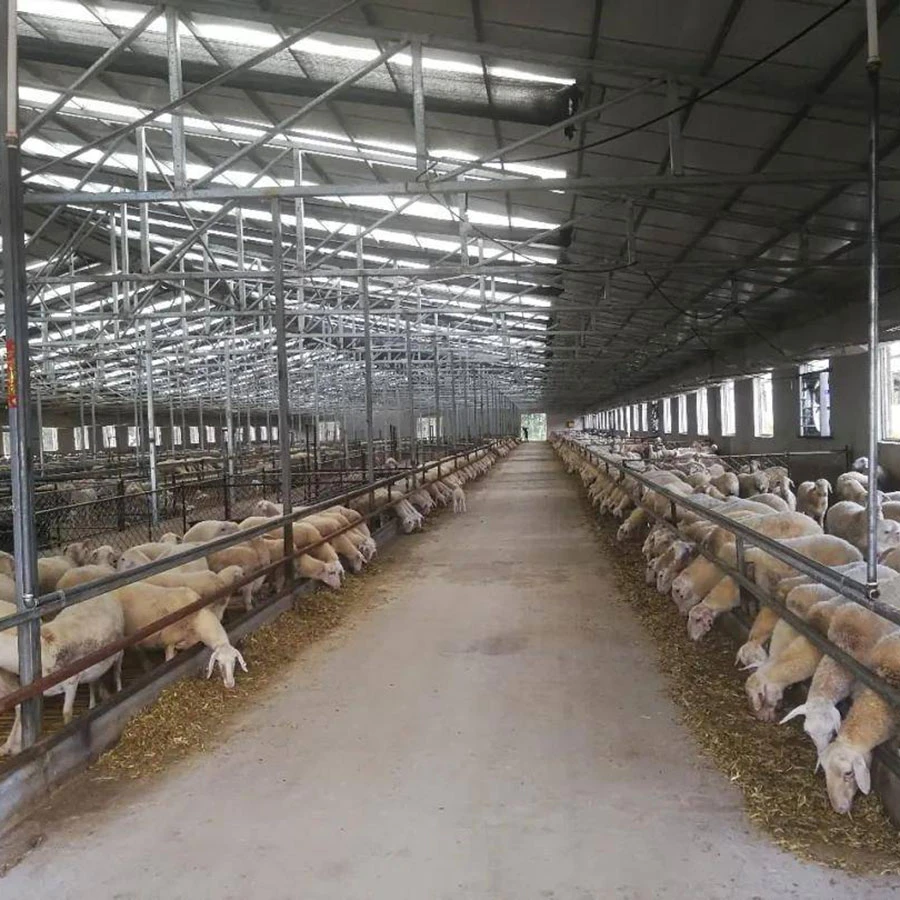
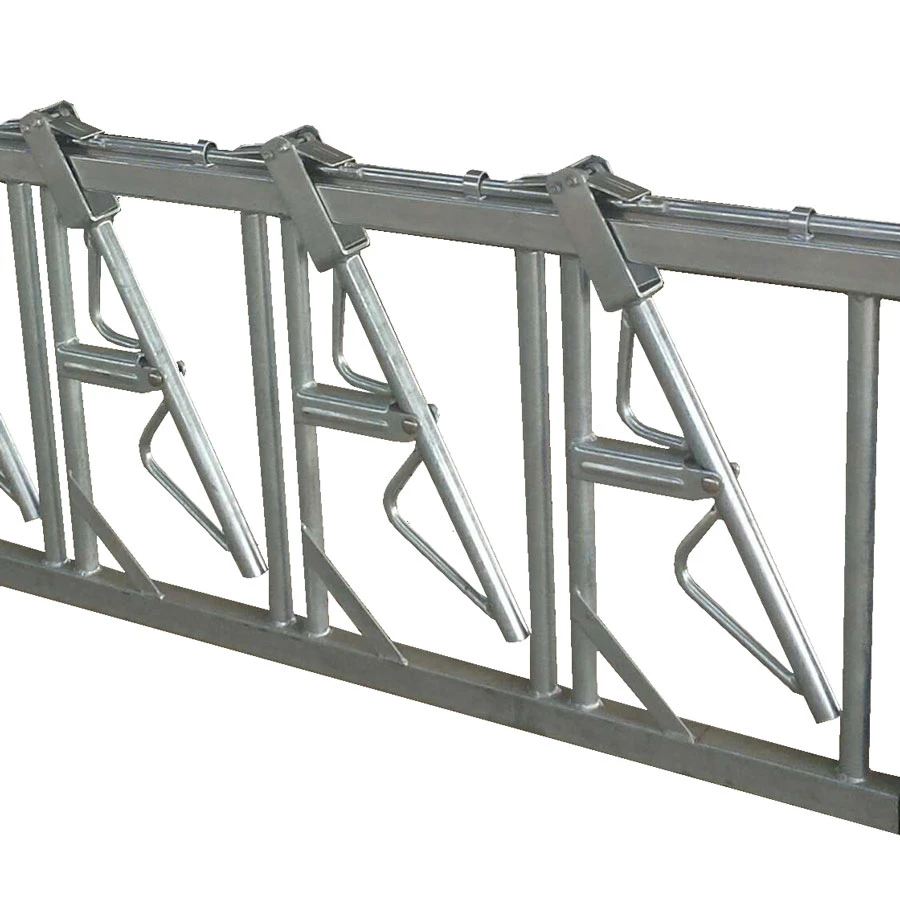
Furthermore, the sheep and goat sector in the dry zones of Sri Lanka is experiencing a shift toward semi-intensive farming. There is an urgent demand for specialized sheep feeding equipment that can withstand corrosive environments while reducing labor costs and optimizing feed conversion ratios.
Evolution and Development Trajectory of Sri Lankan Husbandry

From manual labor to automated precision systems.

Market Development History

From 1990 to 2010, Sri Lankan farming was dominated by traditional manual systems. Husbandry was characterized by basic wooden enclosures and hand-distributed feed, with very limited access to specialized industrial machinery.

Between 2011 and 2020, the industry saw a "Semi-Automation Wave." The introduction of basic automatic nipple drinkers and manual conveyor belts began to replace buckets, reducing water wastage and improving the hygiene of the poultry pen house.

Since 2021, the market has entered the era of "Precision Livestock Farming." There is now a strategic shift toward fully integrated environmental control systems and automated feeding lines, focusing on biometric data and climate-responsive housing.

Future Development Trends

IoT-Integrated Monitoring

The integration of sensors for ammonia levels and temperature will become standard, allowing real-time adjustments to ventilation systems to combat tropical humidity.

Sustainable Material Adoption

A shift toward corrosion-resistant, galvanized alloys that can withstand the saline air of coastal Sri Lankan regions will redefine the lifespan of farm assets.

Nutritional Precision Delivery

Advanced dosing systems in sheep feeding equipment will allow for individualized nutrient delivery, maximizing growth rates per animal.

Industry Trends and Future Outlook for Sri Lanka

Strategic foresight into the modernization of livestock equipment.


Climate-Adaptive Control
Implementing automated cooling pads and tunnel ventilation to maintain optimal temperatures in hot tropical zones.

Automated Waste Management
Developing conveyor-based manure removal systems to improve hygiene and reduce labor intensity in large farms.

Feed Efficiency Optimization
Adopting precision feeders to minimize feed spoilage and ensure consistent growth across all livestock batches.

Eco-Friendly Integration
Integrating solar-powered ventilation and feeding systems to reduce operational costs in rural Sri Lankan areas.

Industry Outlook

Over the next 3-5 years, the Sri Lankan market will see a surge in "Smart-Farm" searches. As labor costs rise and the demand for high-quality protein increases, the transition from traditional husbandry equipment to data-driven systems will accelerate.

We predict a consolidation of the industry where medium-sized farms adopt integrated equipment in poultry farm layouts to compete with large imports, emphasizing biosecurity and animal welfare as key market drivers.

Localized Application Scenarios in Sri Lanka

Tailoring livestock technology to specific regional needs.

01. High-Density Layer Farms in Central Highlands

Implementing automated feeding and egg collection lines to manage high-density populations while maintaining air quality in the cooler, mist-prone highland regions.

02. Broiler Production in the Dry Zone

Utilizing advanced tunnel ventilation and cooling pads within a specialized poultry pen house to prevent heat-induced mortality during the peak summer months.

03. Small-Scale Sheep Breeding in Rural North-Central

Deploying modular sheep feeding equipment that allows farmers to easily scale their operation while minimizing manual labor.

04. Commercial Hatcheries in Western Province

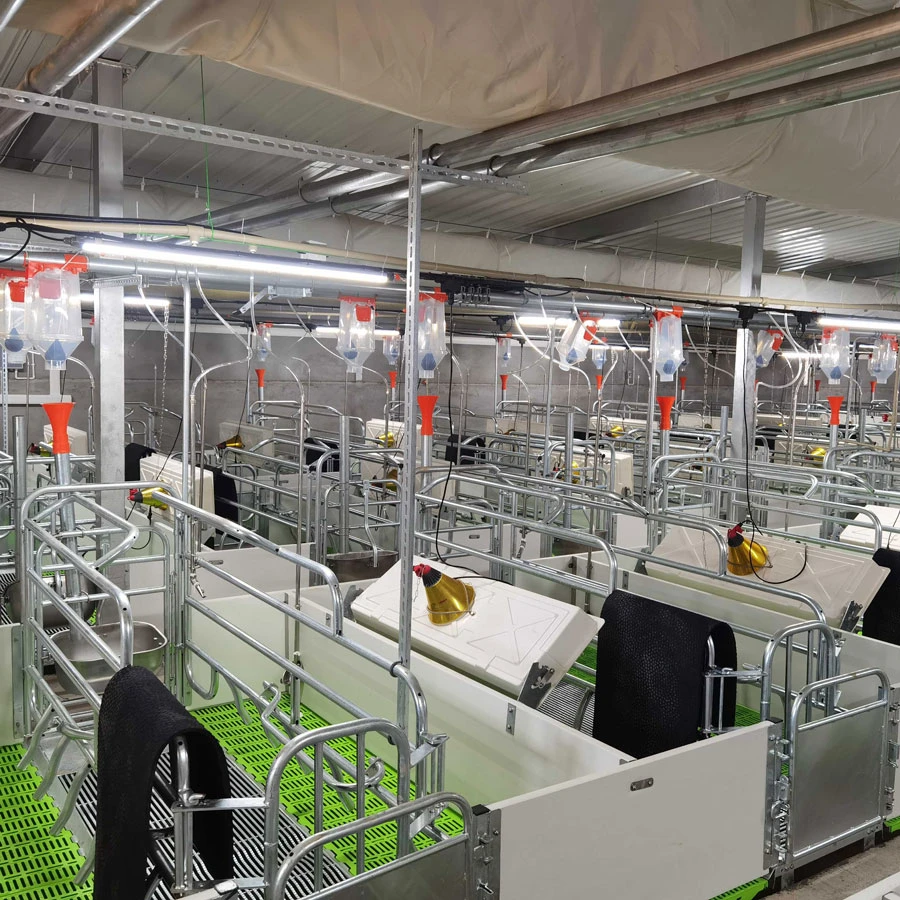
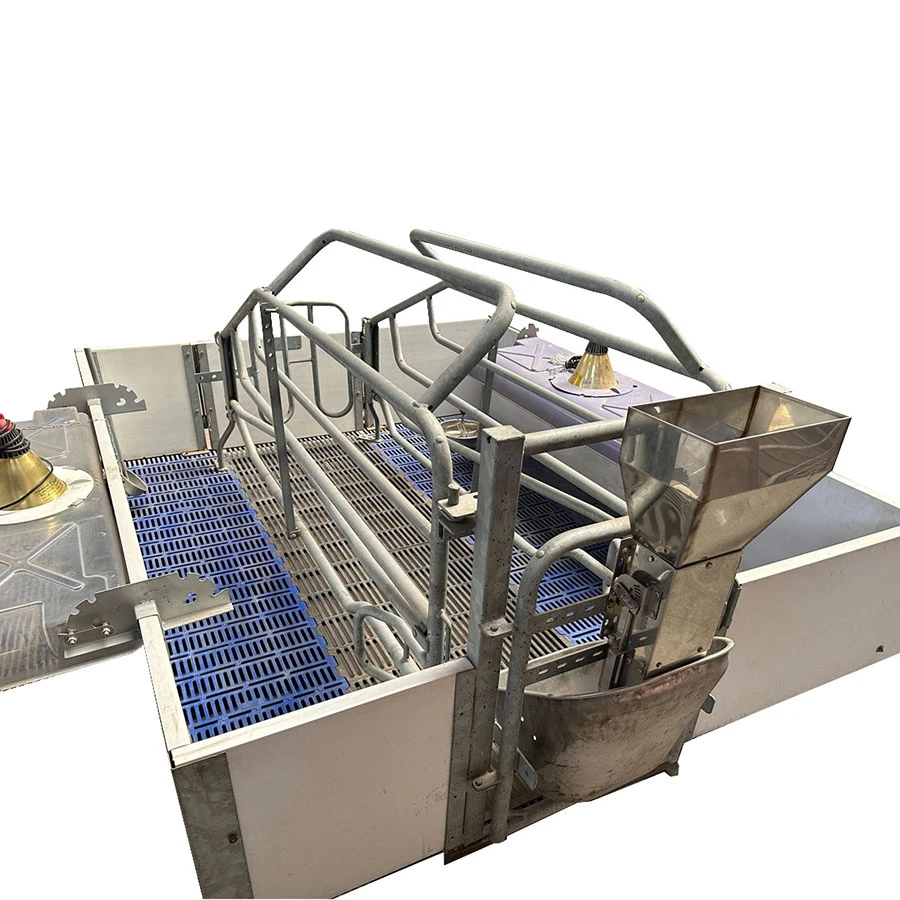
Installing precision incubation and brooding poultry breeding equipment to ensure maximum hatch rates for regional distribution.

05. Organic Poultry Initiatives in Southern Coastal Areas

Designing breathable, semi-automated housing that balances the need for protection from saline air with the requirements of free-range organic standards.

Brand Story

Global Development Process of Huanghua City Chengxin Iron Art Products Co., Ltd.

Foundational Excellence

Starting with a focus on high-durability iron forging, we established our reputation by solving the problem of equipment rust in humid environments.

Industrial Pivot

We transitioned from general ironworks to specialized livestock machinery, focusing on the specific mechanical stress points of poultry and sheep equipment.

Technological Innovation

Integrating automated systems with our durable iron structures, we created a hybrid of strength and intelligence for global farm exports.

Global Expansion

Establishing strategic partnerships across Asia, including Sri Lanka, to provide localized husbandry solutions tailored to tropical climates.

Future Mission

Our mission is to eliminate feed waste and animal stress globally through the most resilient and efficient livestock machinery ever engineered.

Livestock Equipment FAQ - Sri Lanka

Expert answers to common regional implementation questions.

How do I choose the right poultry pen house for Sri Lanka's humid climate?

For humid regions, we recommend an open-sided house with automated fans or a fully closed system with cooling pads to ensure constant airflow and prevent respiratory issues in birds.

What is the most durable equipment in poultry farm settings for coastal areas?

Galvanized steel and high-grade PVC are essential. Our equipment uses hot-dip galvanization to prevent salt-air corrosion, ensuring a longer lifespan for your investment.

Can poultry breeding equipment be customized for small-scale farmers?

Yes, we offer modular systems that allow smallholders to start with basic automatic watering and later add automated feeding as their business grows.

How does automated sheep feeding equipment reduce labor costs?

Automated feeders reduce the time spent on manual distribution and minimize feed waste, allowing one operator to manage a herd that would normally require three people.

What maintenance is required for husbandry equipment in tropical zones?

Regular cleaning of nipple drinkers to prevent biofilm buildup and monthly lubrication of motorized feed parts are recommended to counter the effects of high humidity.

Is solar power compatible with modern poultry breeding equipment?

Absolutely. Most of our control panels and ventilation fans can be integrated with solar inverter systems, which is ideal for rural Sri Lankan farms with unstable power grids.

Ready to Modernize Your Farm?

Get a professional consultation for the best husbandry solutions in Sri Lanka.

Contact Us Now

If you are interested in our products, you can choose to leave your information here, and we will be in touch with you shortly.