The livestock sector in Libya is currently navigating a transition from traditional open-air rearing to controlled environments. Due to the extreme heat and sandy terrain, the demand for specialized husbandry equipment has surged to protect animals from thermal stress and disease.
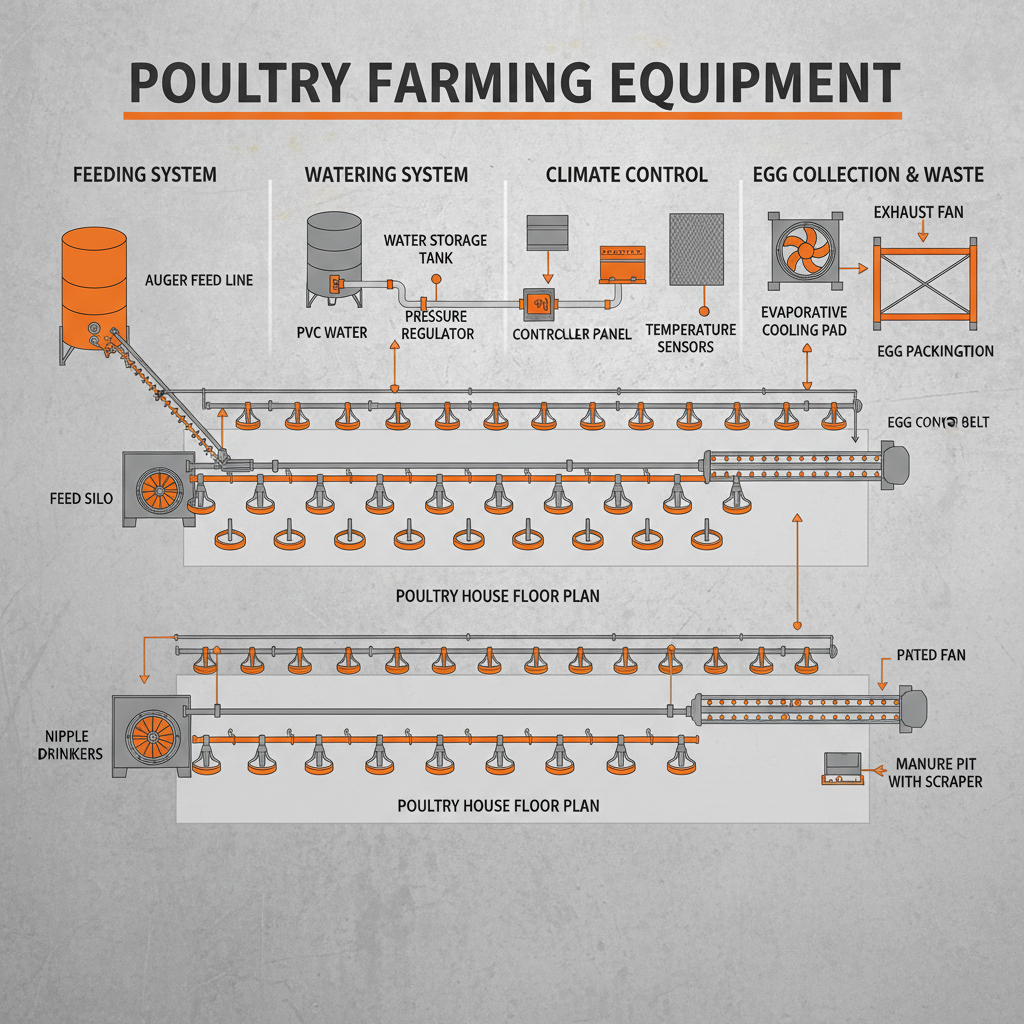
Poultry farming, in particular, faces challenges with humidity control and ventilation. Many local farmers are upgrading to a modern poultry pen house to stabilize production cycles and reduce mortality rates during the peak summer months.
Furthermore, the sheep industry, vital for Libyan food security, is seeing a shift toward mechanized feeding. The integration of professional sheep feeding equipment is becoming essential to optimize feed conversion ratios in desert regions.