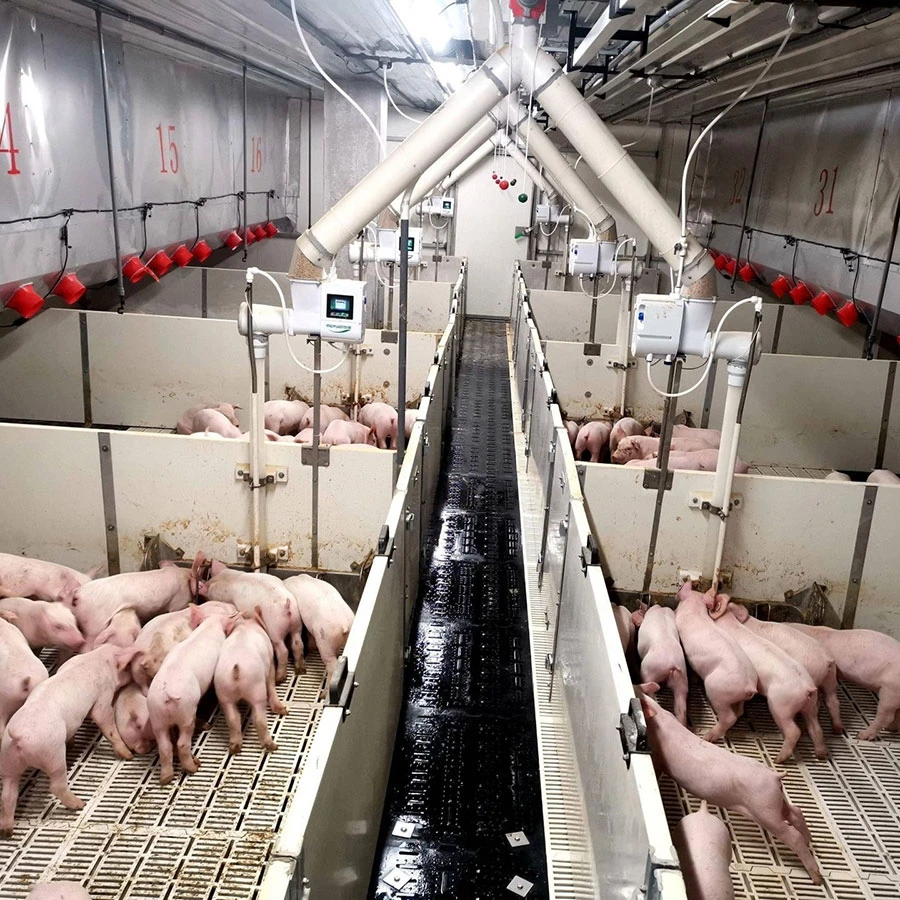
Advanced Livestock Infrastructure and poultry breeding equipment for Spain

Engineering high-efficiency animal housing and feeding systems tailored for the Spanish Mediterranean climate and EU agricultural standards.

Advanced Livestock Infrastructure and poultry breeding equipment for Spain

Integrating precision engineering with sustainable livestock management to maximize yield and animal welfare across the Iberian Peninsula.

The Current State of Livestock Automation in Spain

Analyzing the shift towards precision husbandry equipment in the European market.

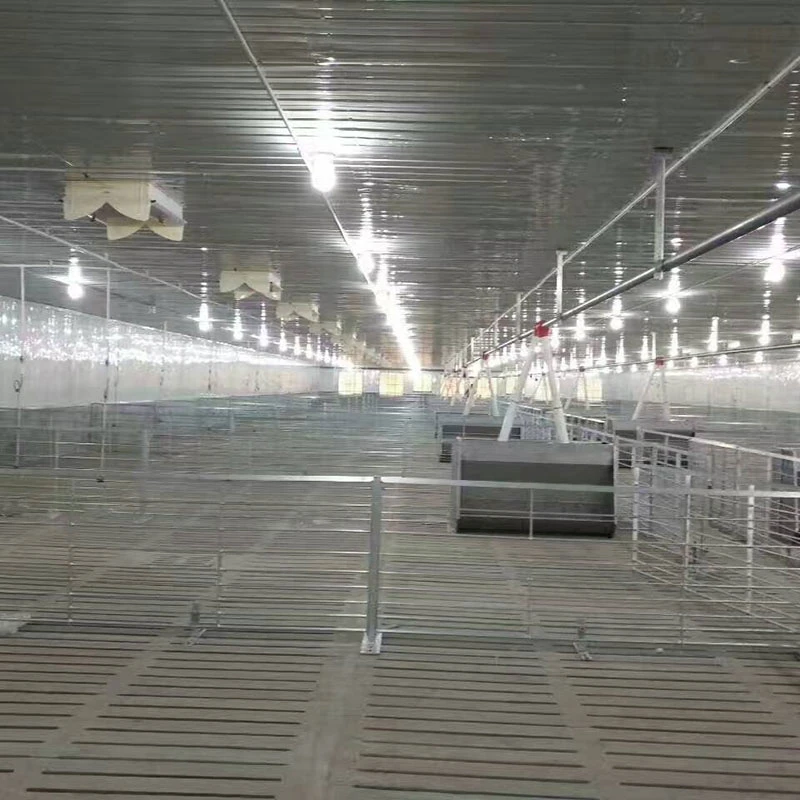
Spain's livestock sector is currently navigating a transition from traditional family-run farms to industrial-scale operations. The Mediterranean climate, characterized by intense summer heat, has made the demand for climate-controlled poultry pen house systems critical for maintaining flock health and reducing mortality rates.

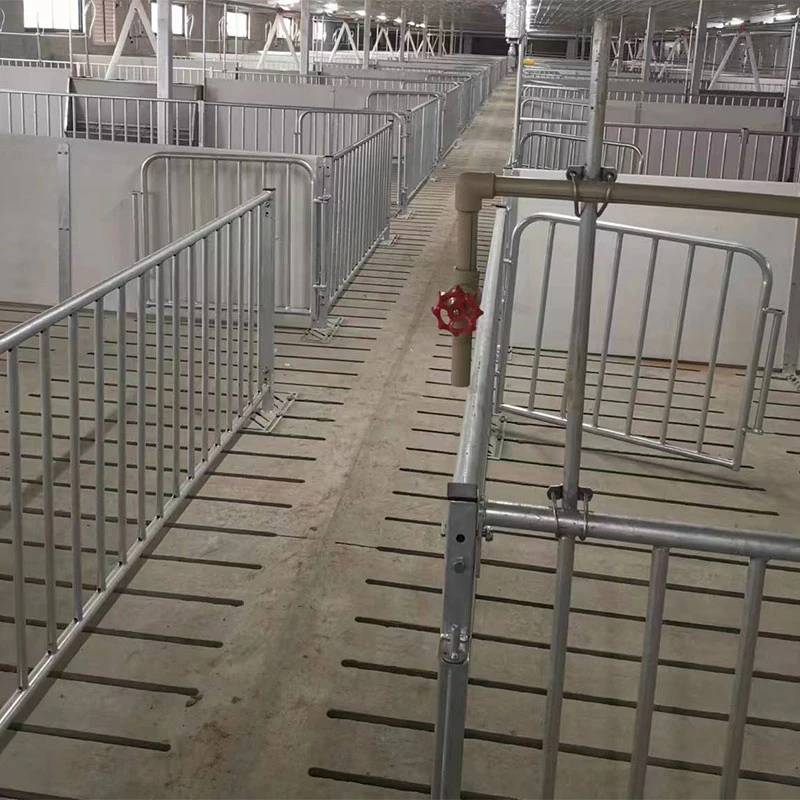
Economically, Spanish producers are facing pressure from stringent EU animal welfare regulations. This has led to a surge in the adoption of specialized equipment in poultry farm management that focuses on ammonia reduction, automated waste removal, and improved ventilation systems to comply with European Green Deal standards.

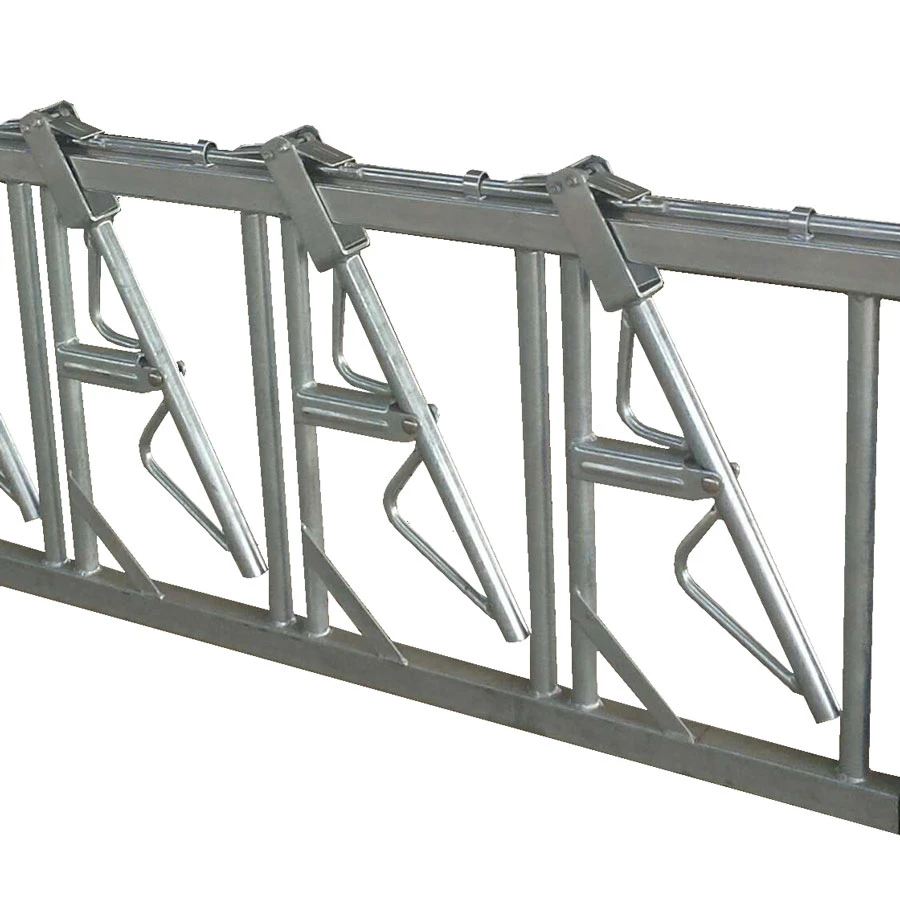
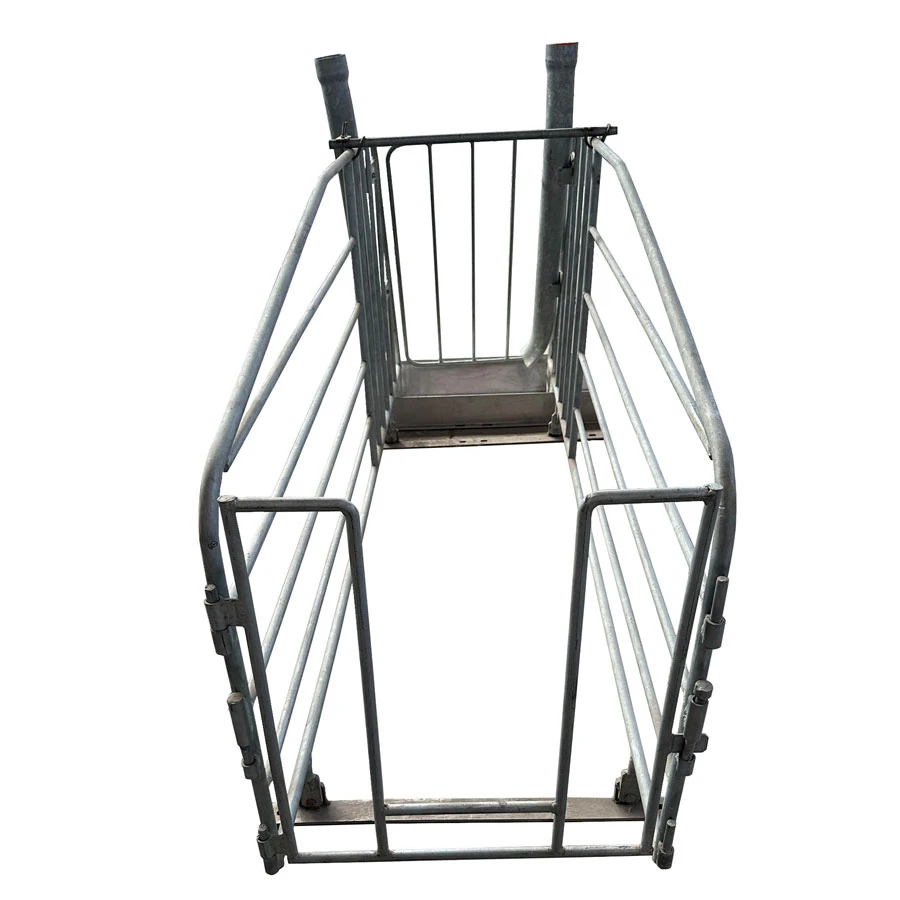
Furthermore, in regions like Extremadura and Castile-La Mancha, the sheep farming tradition is evolving. There is a growing requirement for durable sheep feeding equipment that can handle semi-extensive grazing patterns while ensuring precise nutritional delivery during winter supplementation.
Evolution of Spanish Livestock Technology

From manual labor to IoT-driven precision livestock farming.

Market Development History

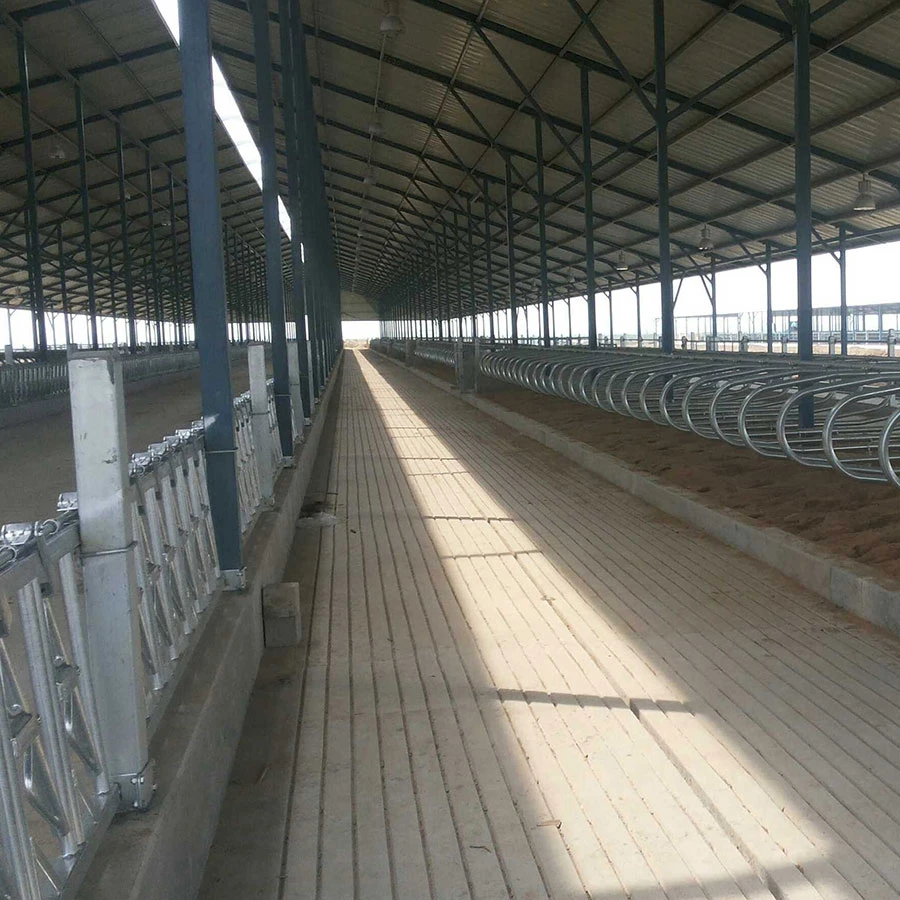
Between 1990 and 2010, the Spanish market relied heavily on basic galvanized steel structures and manual feeding troughs. The focus was primarily on capacity expansion rather than operational efficiency, with livestock housing serving as simple shelters.

From 2011 to 2020, a "Mechanization Wave" occurred. The introduction of automatic nipple drinkers and chain feeding systems transformed the equipment in poultry farm landscape, allowing farms to scale up while reducing on-site labor costs.

Since 2021, the industry has entered the "Digitalization Era." Integration of sensors, PLC controllers, and cloud-based monitoring has allowed Spanish farmers to manage environmental parameters in real-time, significantly optimizing the Feed Conversion Ratio (FCR).

Future Development Trends

AI-Driven Behavioral Monitoring

Implementation of computer vision to detect early signs of illness in poultry and sheep, reducing antibiotic reliance.

Circular Economy Integration

Development of equipment that integrates manure processing directly into the housing system to produce organic fertilizer.

Modular Energy-Efficient Housing

Shift towards prefabricated, thermally insulated structures that reduce energy consumption for heating and cooling.

Strategic Trends and Future Outlook

Predicting the trajectory of animal husbandry technology in Europe.


Climate-Adaptive Design
Advanced ventilation and cooling systems specifically engineered for Spain's extreme temperature fluctuations.

Precision Nutrition Systems
Automated dispensing systems that reduce feed waste and optimize growth cycles.

IoT Health Monitoring
Real-time sensor integration for tracking humidity, temperature, and gas levels.

Welfare-Centric Layouts
Redesigning pen structures to provide more natural movement and social interaction.

Industry Outlook

The next 3-5 years will see a convergence of biotechnology and mechanical engineering. We expect a significant increase in the demand for automated sheep feeding equipment that utilizes biometric identification to customize rations for individual animals.

According to search trend logic, "sustainable farming" and "automation" are the primary drivers in the Spanish agricultural market. This will shift the focus from sheer volume to "quality-per-unit" production, where high-tech husbandry equipment becomes the standard for EU certification.

Localized Application Scenarios in Spain

Real-world implementation of livestock systems across diverse Spanish terrains.

1. Intensive Poultry Farms in Catalonia

Deployment of fully automated poultry pen house systems with integrated tunnel ventilation to combat high humidity and heat in the coastal regions.

2. Extensive Sheep Ranches in Castile-La Mancha

Installation of heavy-duty, weather-resistant sheep feeding equipment for seasonal supplementation in open-field grazing systems.

3. Organic Egg Production in Andalusia

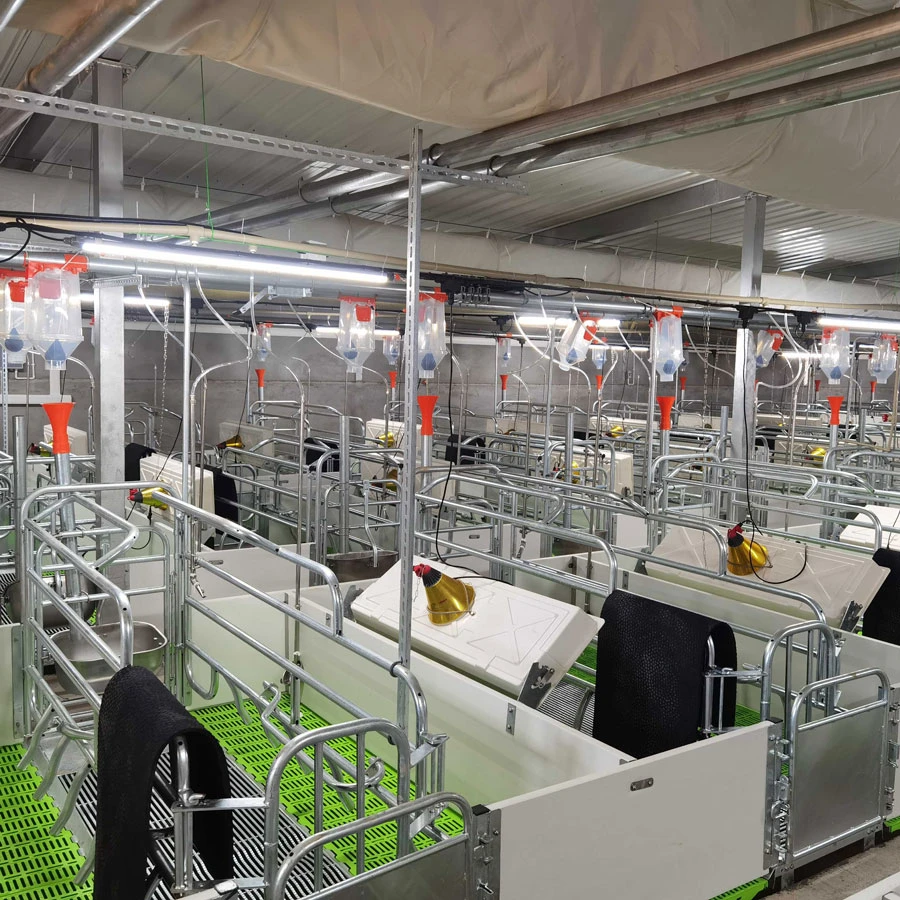
Implementation of specialized poultry breeding equipment designed for free-range environments, ensuring automated feeding and water access in outdoor areas.

4. High-Density Broiler Operations in Aragon

Utilization of precision equipment in poultry farm setups focusing on automated manure belt systems to maintain strict hygiene standards.

5. Specialized Breeding Centers in Galicia

Installation of climate-controlled brooding systems that protect young livestock from the Atlantic dampness and cold winters.

Brand Story

Global Development Journey of Huanghua City Chengxin Iron Art Products Co., Ltd.

Foundational Excellence

Starting as a local forge, we mastered the art of high-strength steel fabrication, focusing on durability for agricultural applications.

Technological Pivot

We transitioned from simple ironworks to specialized husbandry equipment, integrating automated systems into our metal designs.

European Expansion

Recognizing the need for precision in Europe, we adapted our designs to meet EU welfare and safety standards, entering the Spanish market.

Innovation Leadership

Developed the "Intelli-Feed" series, solving the pain point of feed waste in large-scale poultry and sheep operations.

Global Vision

Today, we stand as a global partner in livestock modernization, committed to sustainable and humane animal housing solutions.

Comprehensive Livestock Solutions for the Spanish Market

A full spectrum of equipment from brooding to fattening, optimized for Iberian livestock needs.

Common Questions on Livestock Equipment in Spain

Expert answers to the most frequent queries from Spanish farm operators.

How to choose the right poultry pen house for hot Mediterranean climates?

Focus on systems with high-capacity evaporative cooling pads and tunnel ventilation. Ensure the structure has high thermal inertia to keep interior temperatures stable during peak summer.

What are the EU standards for poultry breeding equipment in Spain?

Equipment must comply with EU animal welfare directives, emphasizing space per bird, access to natural light, and the use of non-toxic, galvanized materials to prevent corrosion.

Can sheep feeding equipment be customized for semi-extensive grazing?

Yes, we provide modular feeding stations that can be moved according to grazing patterns, featuring weather-proof hoppers to prevent feed spoilage from rain and humidity.

What is the average lifespan of professional equipment in poultry farm environments?

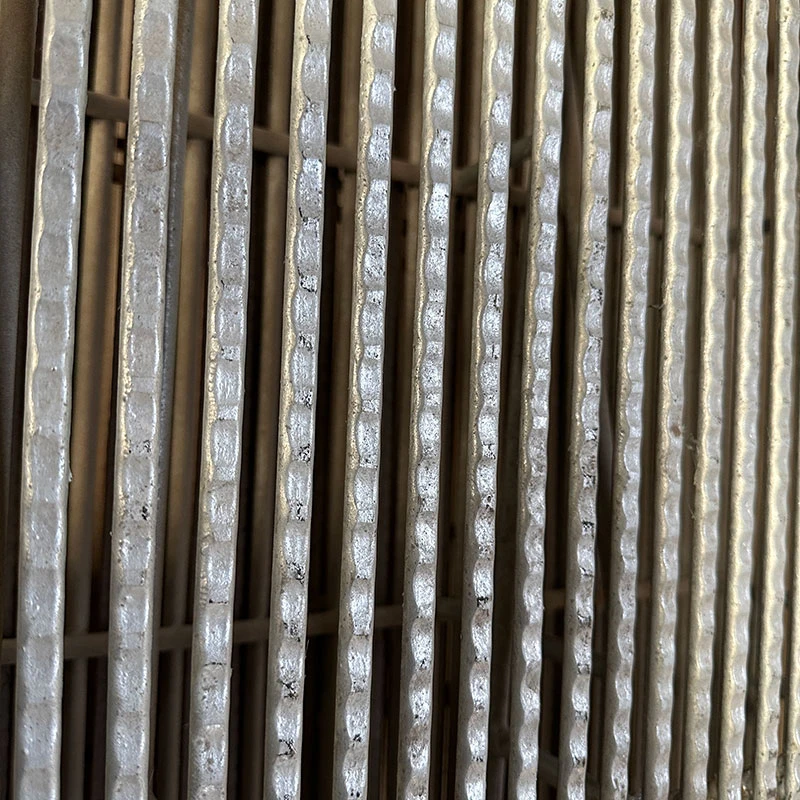
With proper maintenance, our hot-dip galvanized equipment typically lasts 15-20 years, resisting the corrosive effects of ammonia and moisture common in poultry houses.

How does automated husbandry equipment improve FCR in Spanish farms?

Automation reduces feed spoilage and ensures consistent delivery timing, which minimizes stress in animals and optimizes the conversion of feed into body mass.

Is it possible to integrate IoT sensors into existing livestock housing?

Absolutely. Our sensor kits can be retrofitted into most existing structures to monitor ammonia levels, temperature, and humidity via a centralized mobile app.

Ready to Modernize Your Farm?

Contact our engineering team today for a customized livestock solution tailored to the specific environmental conditions of Spain.

Contact Us Now

If you are interested in our products, you can choose to leave your information here, and we will be in touch with you shortly.