Choosing the Right Wet Dry Feeders for Pigs: A Comprehensive Guide
Efficient feeding is crucial for successful pig farming. Selecting the appropriate feeding equipment, particularly wet dry feeders for pigs, can significantly impact growth rates, feed efficiency, and overall farm profitability. This article explores the benefits of wet-dry feeding, the different types of feeders available, key considerations when making a purchase, and how CXL Livestock can provide the ideal solutions for your operation. Proper feeding systems contribute to healthier animals and a more streamlined workflow.
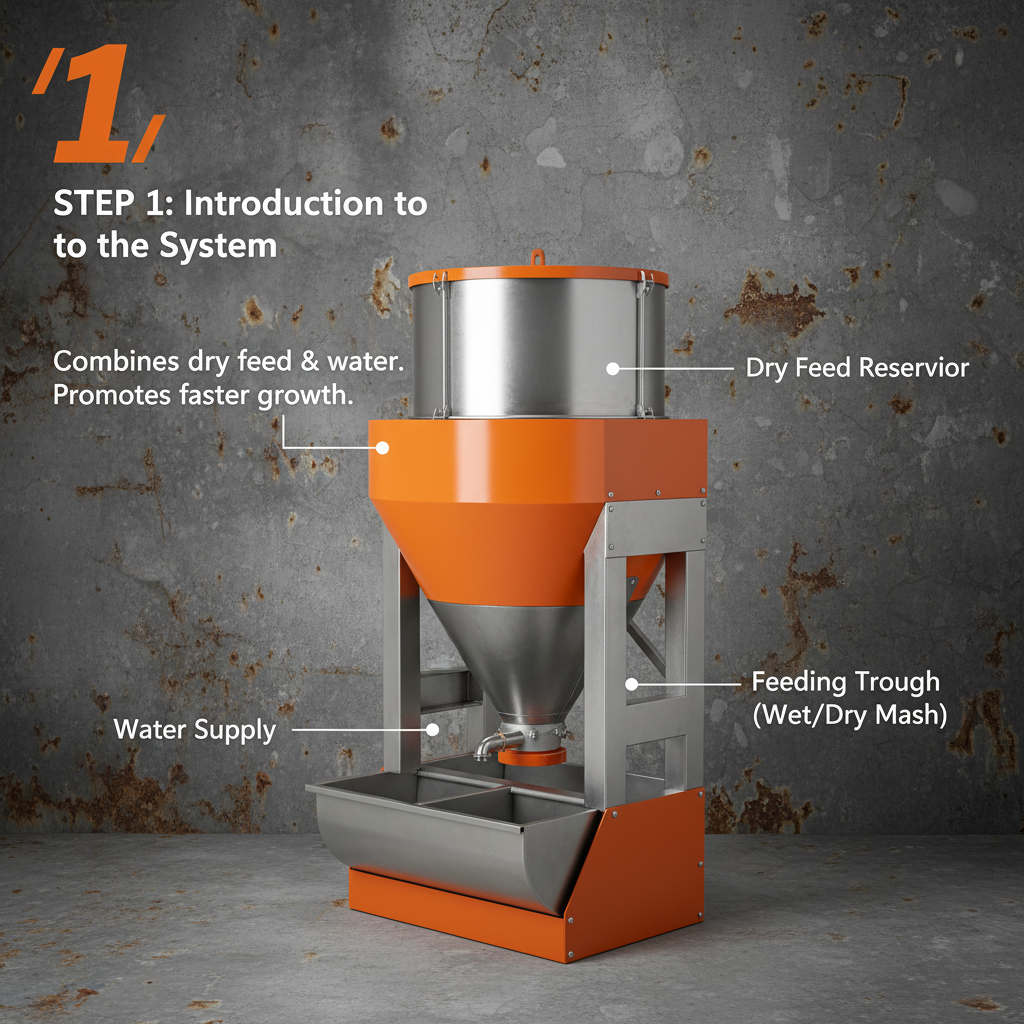
Understanding Wet-Dry Feeding and its Benefits
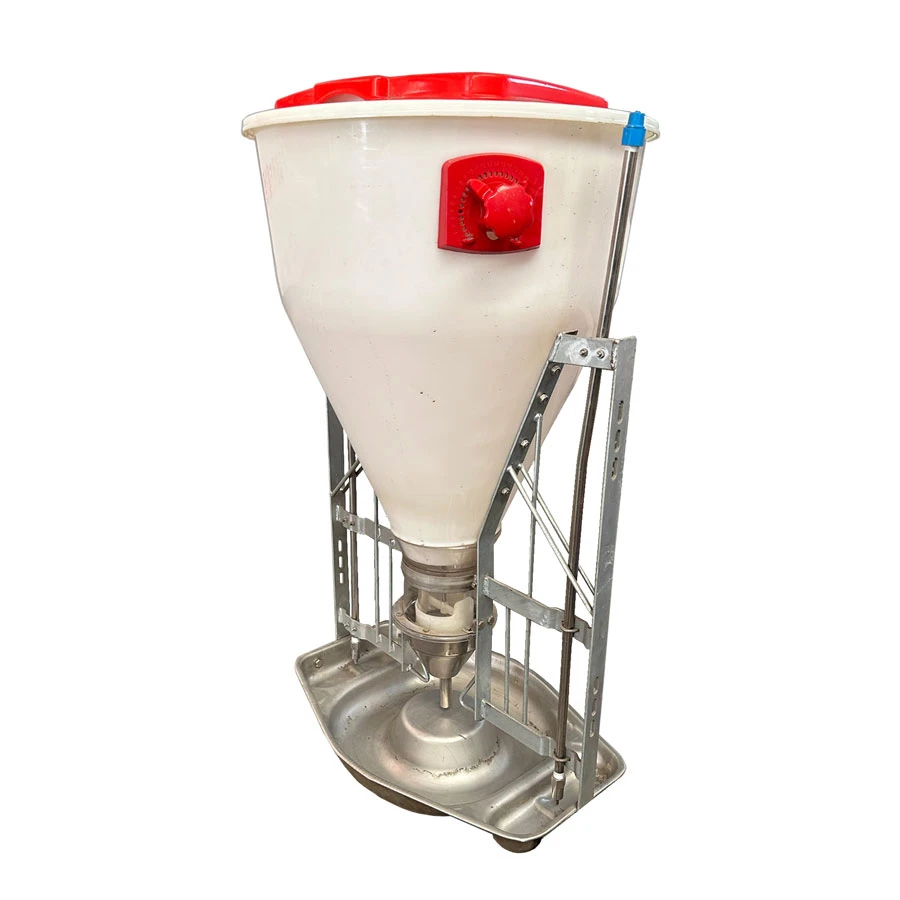
Wet-dry feeding involves providing pigs with a combination of dry feed and water, creating a slurry that encourages increased feed intake and improved digestion. This method is particularly beneficial for piglets and newly weaned pigs who may struggle with dry feed consumption. The water helps to soften the feed, making it easier to eat and promoting gut health. Furthermore, wet-dry feeding allows for the inclusion of liquid supplements, vitamins, and medications directly into the feed, simplifying administration and ensuring consistent dosage. This system reduces feed waste and optimizes nutrient absorption, contributing to faster growth and reduced mortality rates.
Key Benefits: Improved feed intake, enhanced digestion, simplified supplement delivery, reduced feed waste, faster growth rates, and healthier pigs.
Types of Wet Dry Feeders for Pigs
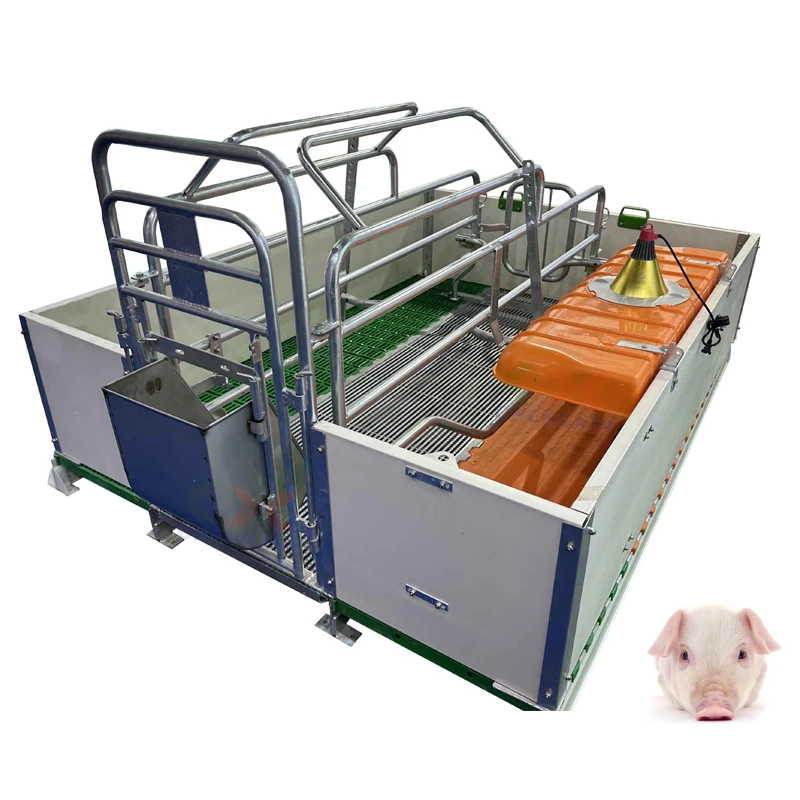
Several types of wet dry feeders for pigs are available, each with its own advantages and disadvantages. Automatic feeders provide a continuous supply of feed, reducing labor requirements. Manual feeders require more hands-on operation but offer greater control over feed distribution. Stationary feeders are fixed in place, while mobile feeders can be easily moved to different locations. Consider your farm size, budget, and labor availability when selecting the most suitable type of feeder. Some feeders are designed for specific age groups or stages of pig growth.
Feeder Type Overview:
• Automatic Feeders: Continuous feed supply, reduced labor.
• Manual Feeders: Greater control, higher labor requirement.
• Stationary Feeders: Fixed location, suitable for permanent setups.
• Mobile Feeders: Flexible placement, ideal for rotational systems.
Key Considerations When Choosing Wet Dry Feeders for Pigs
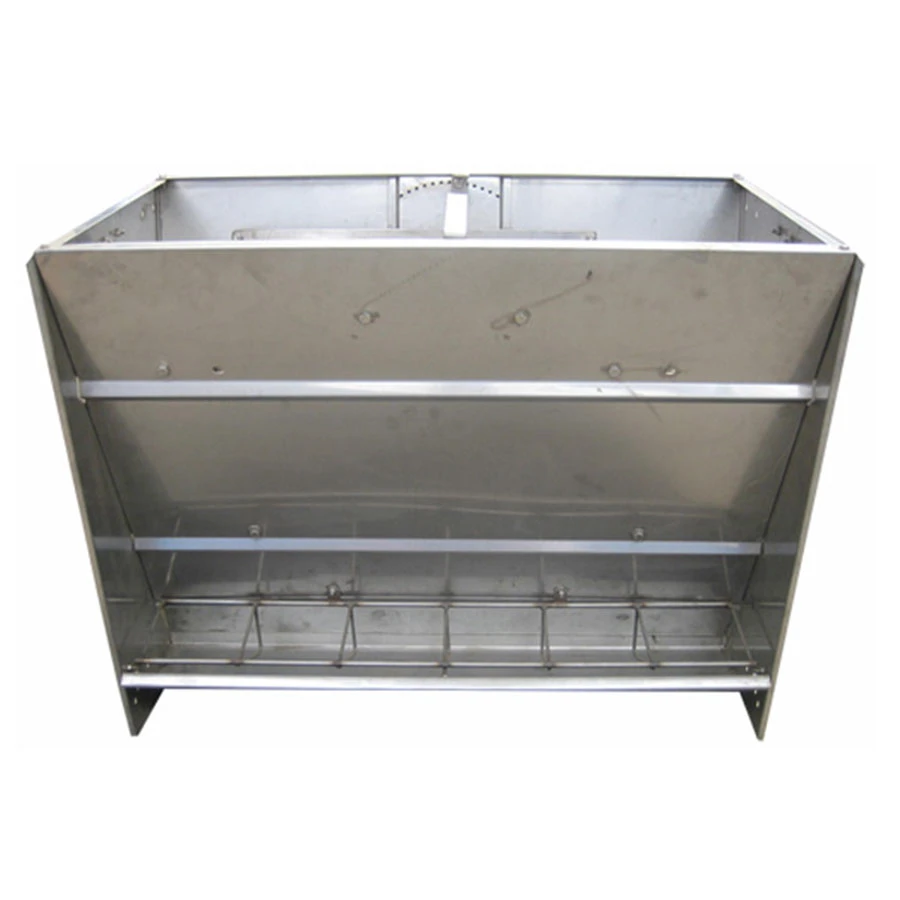
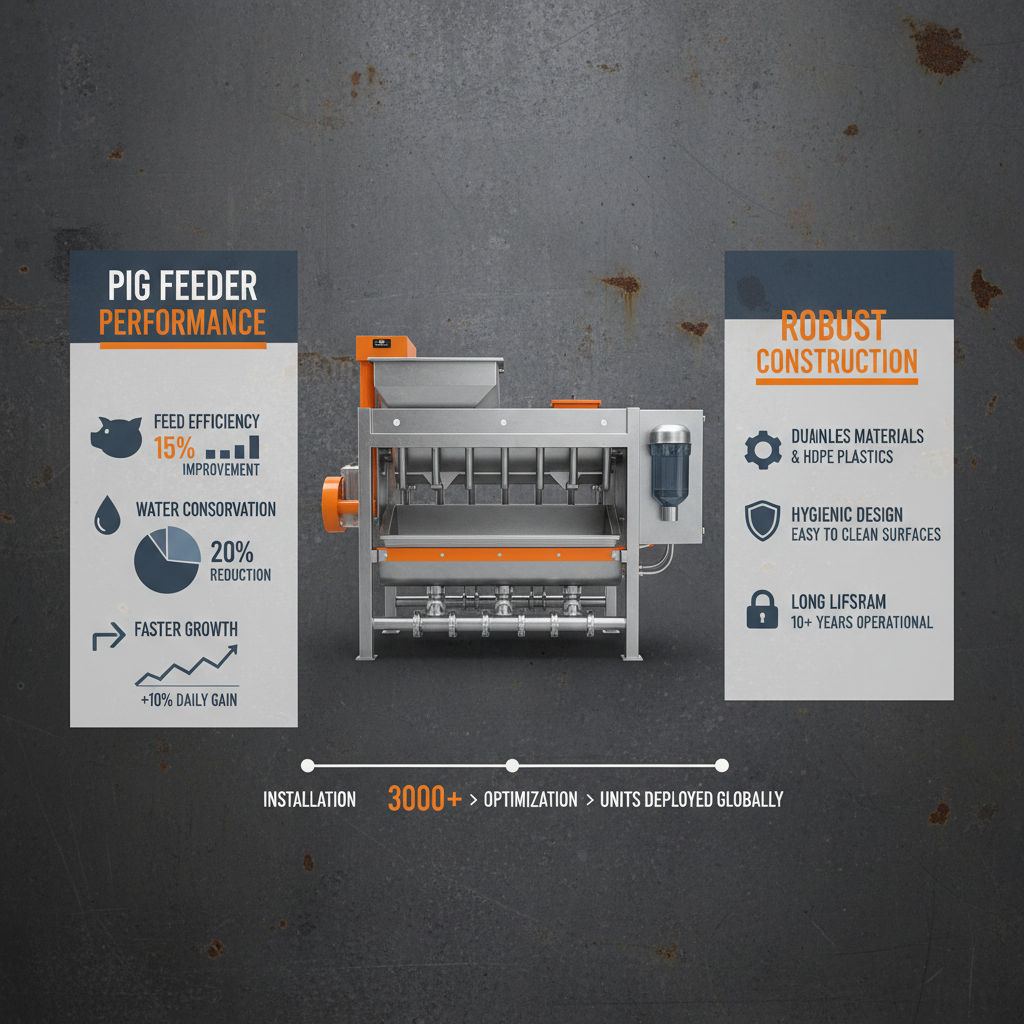
Selecting the right wet dry feeders for pigs requires careful consideration of several factors. Capacity is important, ensuring the feeder can accommodate the number of pigs you're feeding. Durability is essential, as feeders will be exposed to harsh conditions and constant use. Ease of cleaning and maintenance will save you time and effort in the long run. Consider the material construction – stainless steel is highly durable and hygienic. Finally, compatibility with your existing farm setup and budget are crucial. Investing in high-quality feeders will pay dividends in the form of improved pig health and reduced operational costs.
Why Choose CXL Livestock for Your Wet Dry Feeder Needs?
CXL Livestock specializes in providing high-quality, durable, and efficient livestock feeding solutions. We offer a wide range of wet dry feeders for pigs designed to meet the diverse needs of modern pig farms. Our feeders are constructed from premium materials, ensuring long-lasting performance and minimizing maintenance requirements. We pride ourselves on excellent customer service, offering expert advice and support to help you select the perfect feeders for your operation. We are committed to helping you optimize your pig farming practices and maximize your profitability.
Conclusion: Investing in Efficient Feeding Systems
Optimizing Pig Farming with the Right Feeders
Choosing the right wet dry feeders for pigs is a significant investment in the future of your farm. By prioritizing factors like capacity, durability, and ease of maintenance, and by partnering with a reputable supplier like CXL Livestock, you can ensure efficient feeding, healthier animals, and improved profitability. Don’t compromise on quality – choose the solution that best supports your success.
Frequently Asked Questions (FAQs)
What is the ideal water-to-feed ratio for wet-dry feeding?
The ideal water-to-feed ratio varies depending on the age and stage of the pigs. For newly weaned piglets, a higher water content (around 2:1 to 3:1) is recommended to encourage intake. As the pigs grow, the ratio can be gradually reduced to 1.5:1 or even 1:1. It's important to observe the consistency of the slurry – it should be easily digestible and not too watery or too thick. Adjusting the ratio based on the pigs' feed intake and stool consistency can help optimize performance.
How often should I clean wet-dry feeders?
Wet-dry feeders should be cleaned at least daily, or more frequently if necessary, to prevent the buildup of bacteria and mold. Thoroughly wash the feeders with hot water and a disinfectant solution, ensuring all feed residue is removed. Regular cleaning helps maintain hygiene, prevents the spread of disease, and ensures the feed remains palatable for the pigs. Consider the design of the feeder – some models are easier to clean than others.
Are wet-dry feeders suitable for all pig breeds?
Generally, wet-dry feeding is suitable for most pig breeds, especially during the early stages of growth. However, some breeds may have specific dietary requirements or preferences. It’s crucial to monitor the pigs’ response to wet-dry feeding and adjust the feed consistency and ratio as needed. Consult with a veterinarian or animal nutritionist to determine the best feeding strategy for your specific breed and farm conditions.
What are the advantages of automated wet-dry feeding systems?
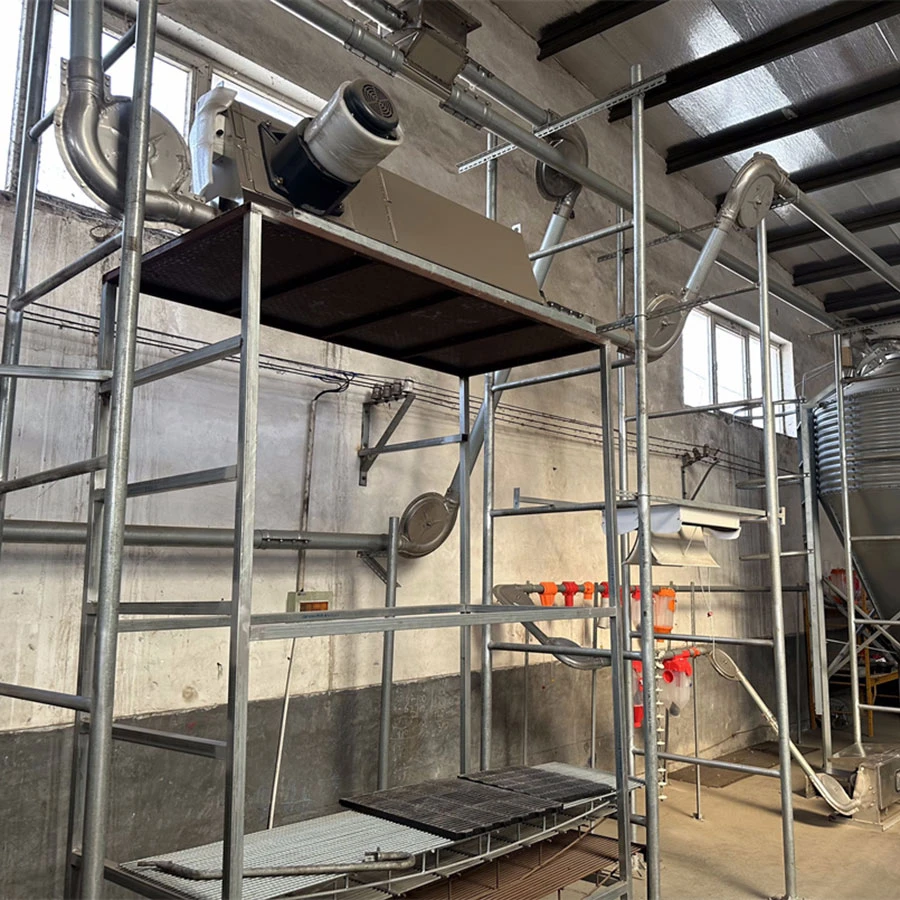
Automated wet-dry feeding systems offer several advantages, including reduced labor costs, precise feed delivery, and improved feed management. These systems can be programmed to deliver the correct amount of feed at specific times, ensuring consistent intake and optimal growth. They also minimize feed waste and reduce the risk of contamination. Automated systems are particularly beneficial for large-scale pig farming operations.
Post time: Mar . 08, 2026