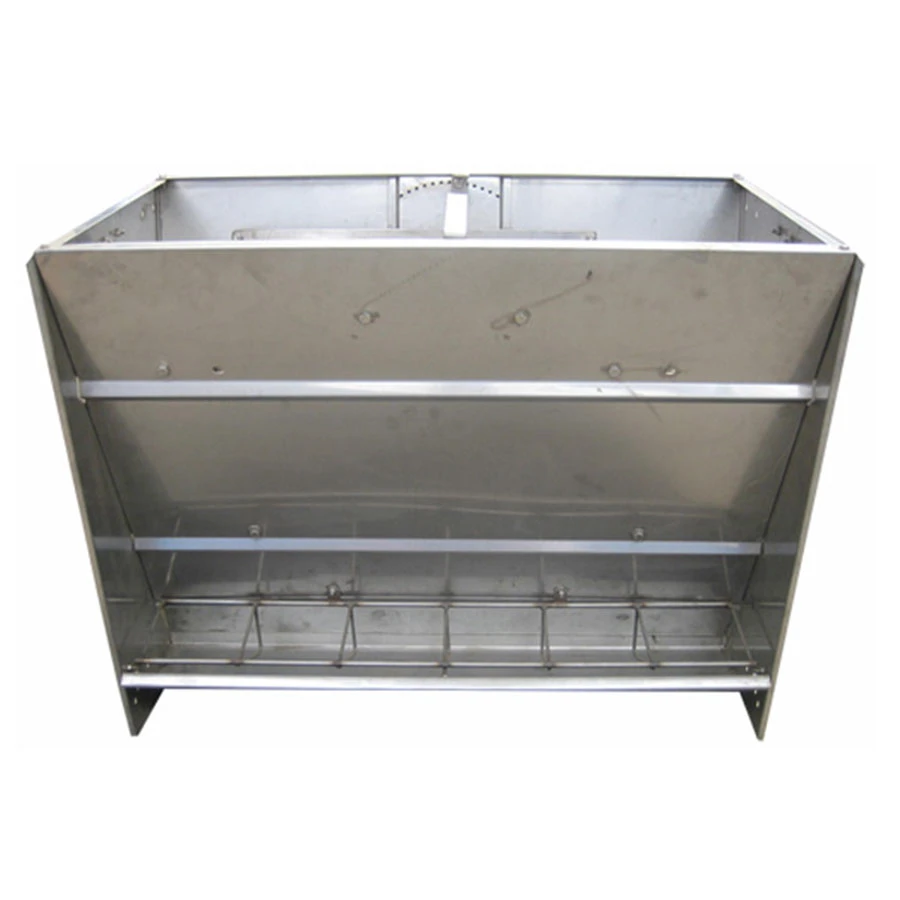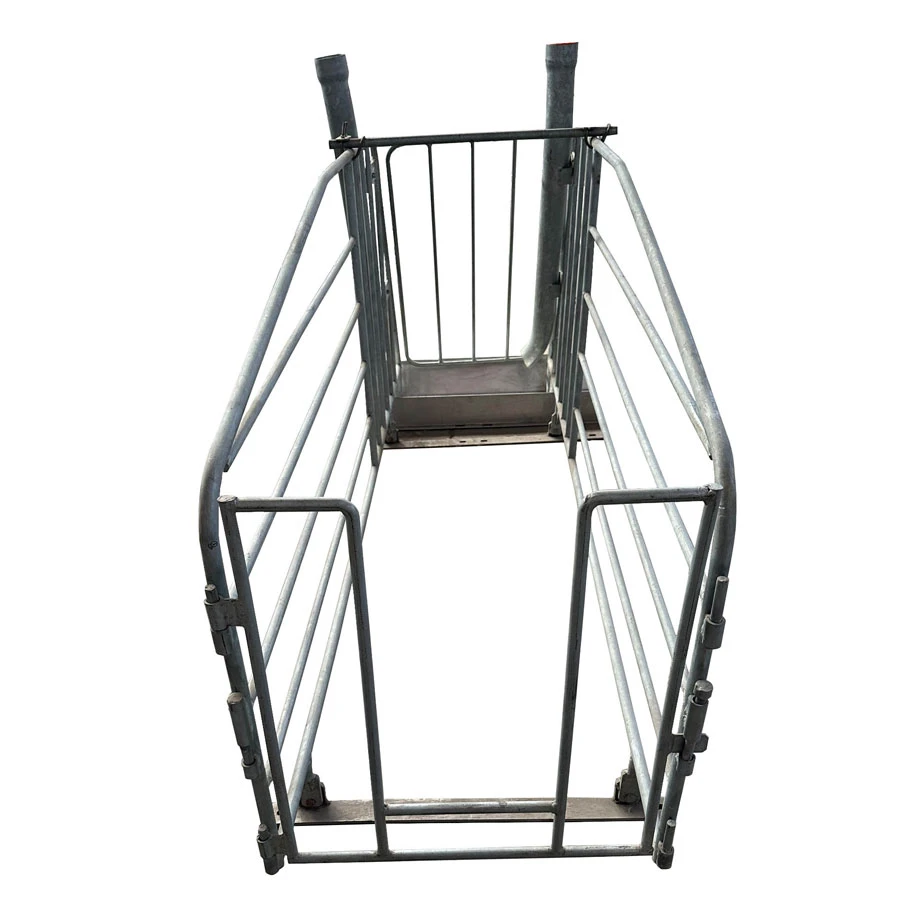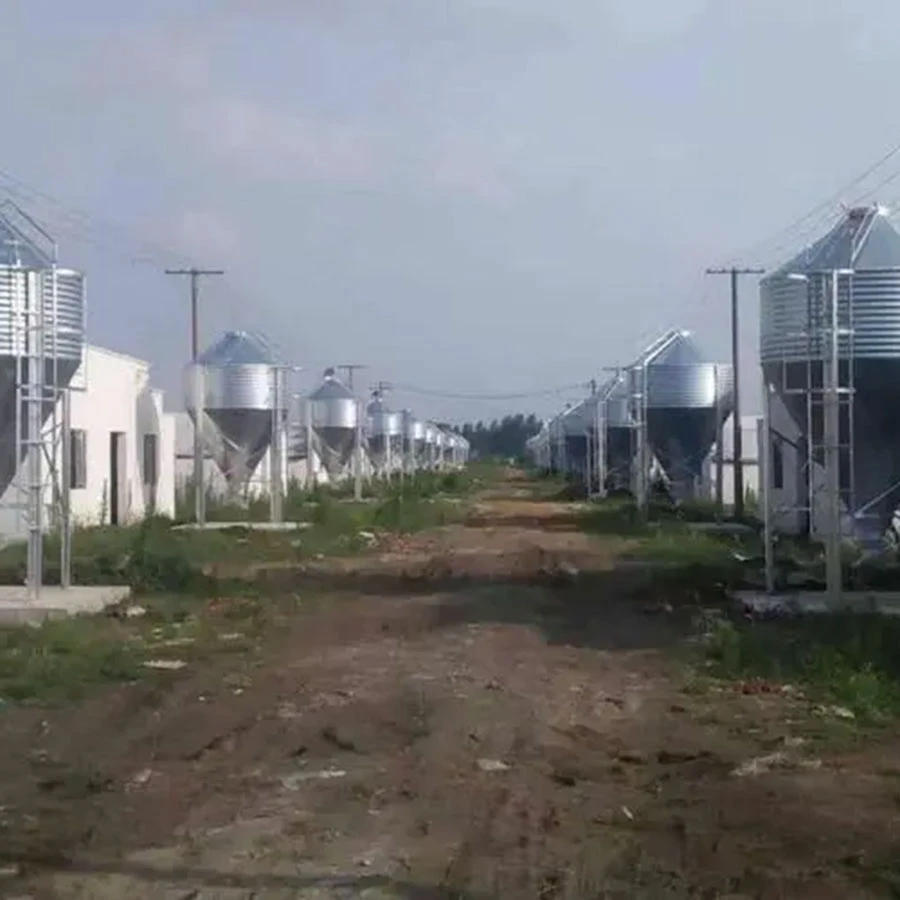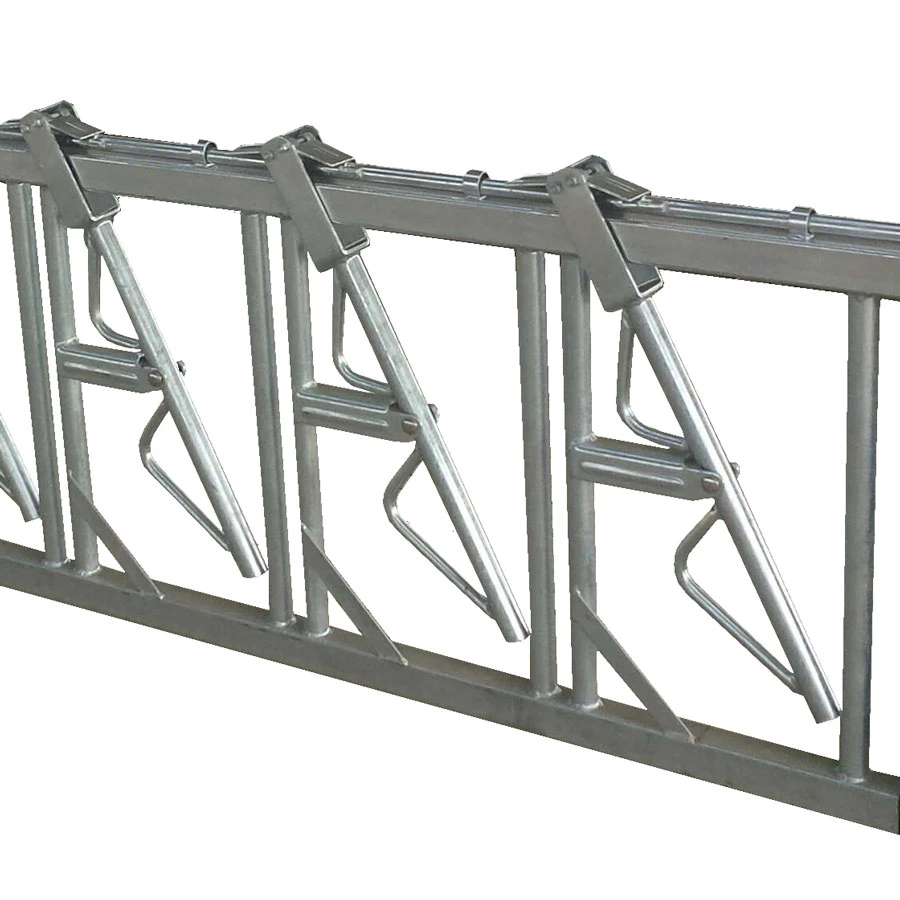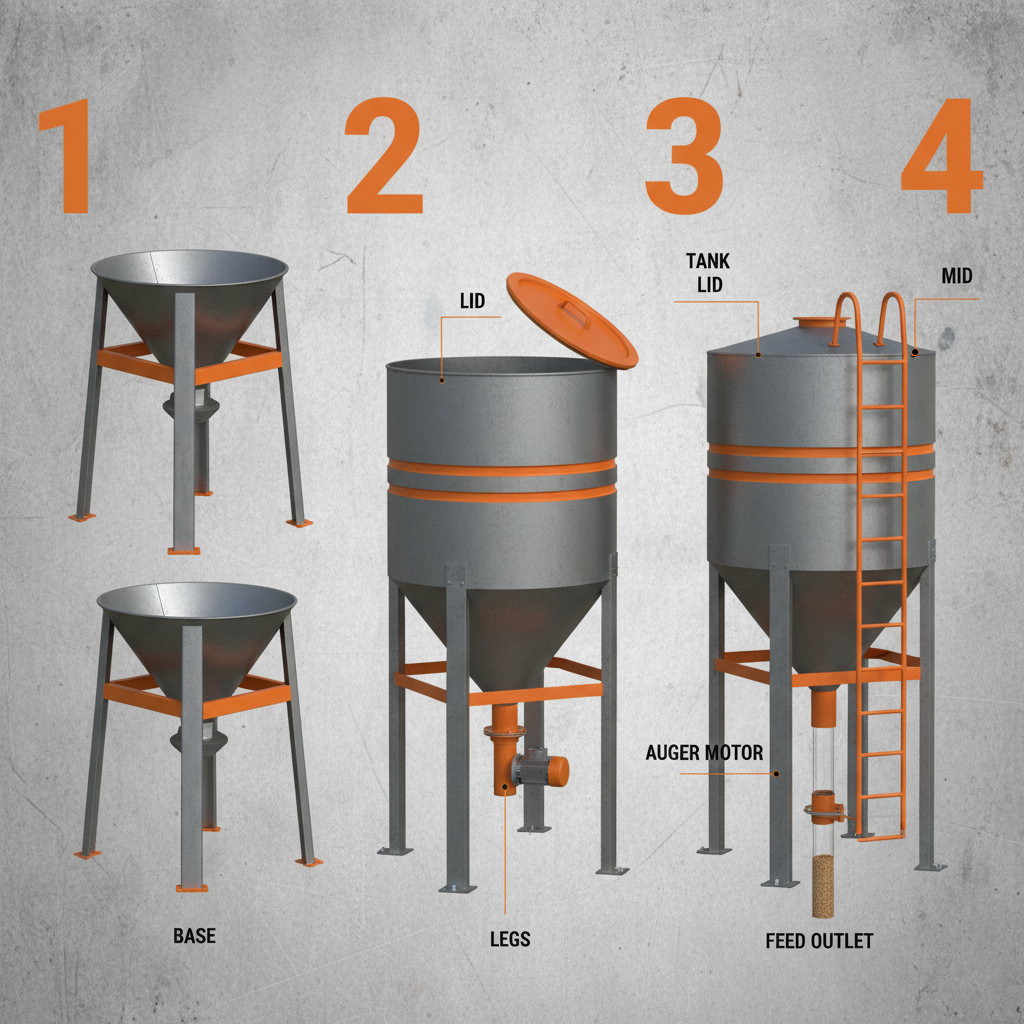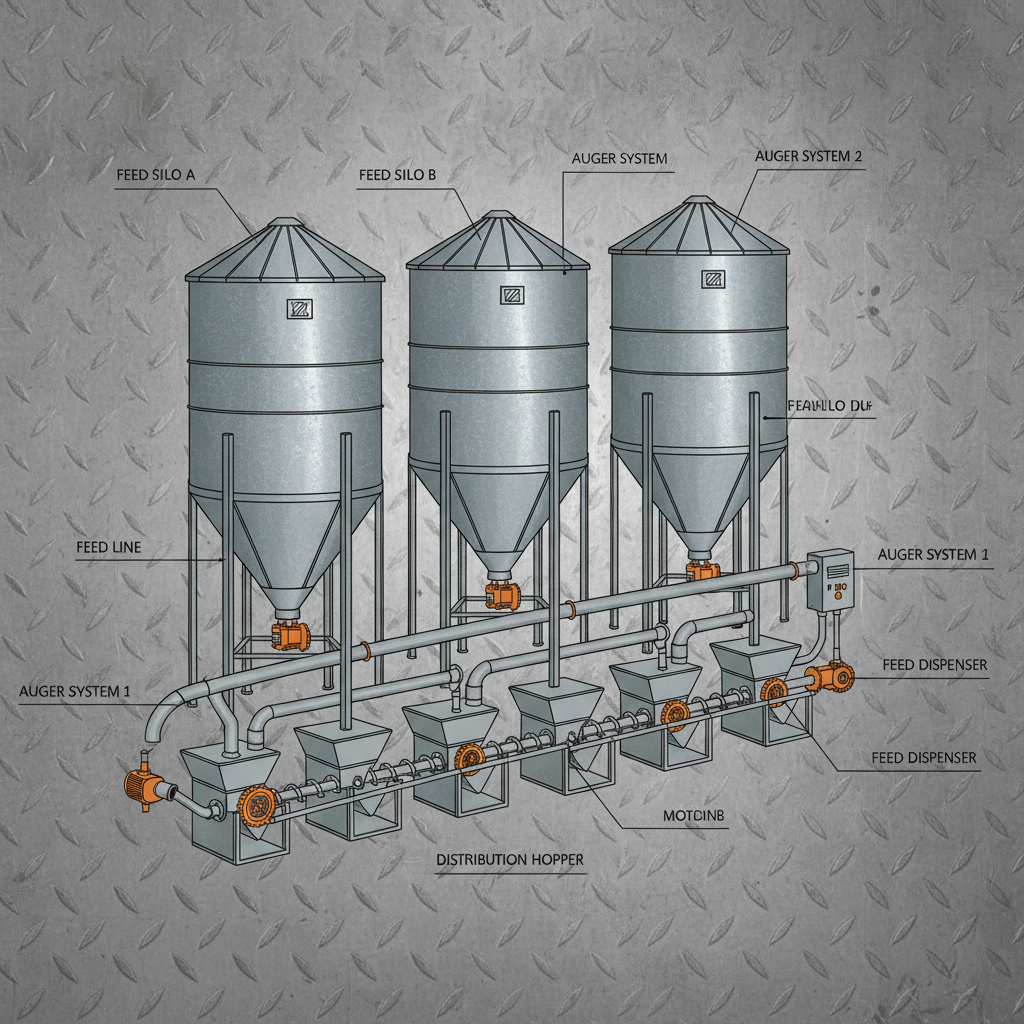
Feed Silo is a key solution in the industry, specifically within livestock feed storage and handling. This article explores how https://www.cxlivestock.com supports professionals with durable, high-performance products, and explains why this product is an ideal choice for businesses in these sectors.
Table of Contents
- Feed Silo Overview
- Benefits & Use Cases of Feed Silo
- Cost, Maintenance & User Experience
- Sustainability & Market Trends
- Frequently Asked Questions about Feed Silo
- Conclusion on Feed Silo from China
Feed Silo Overview
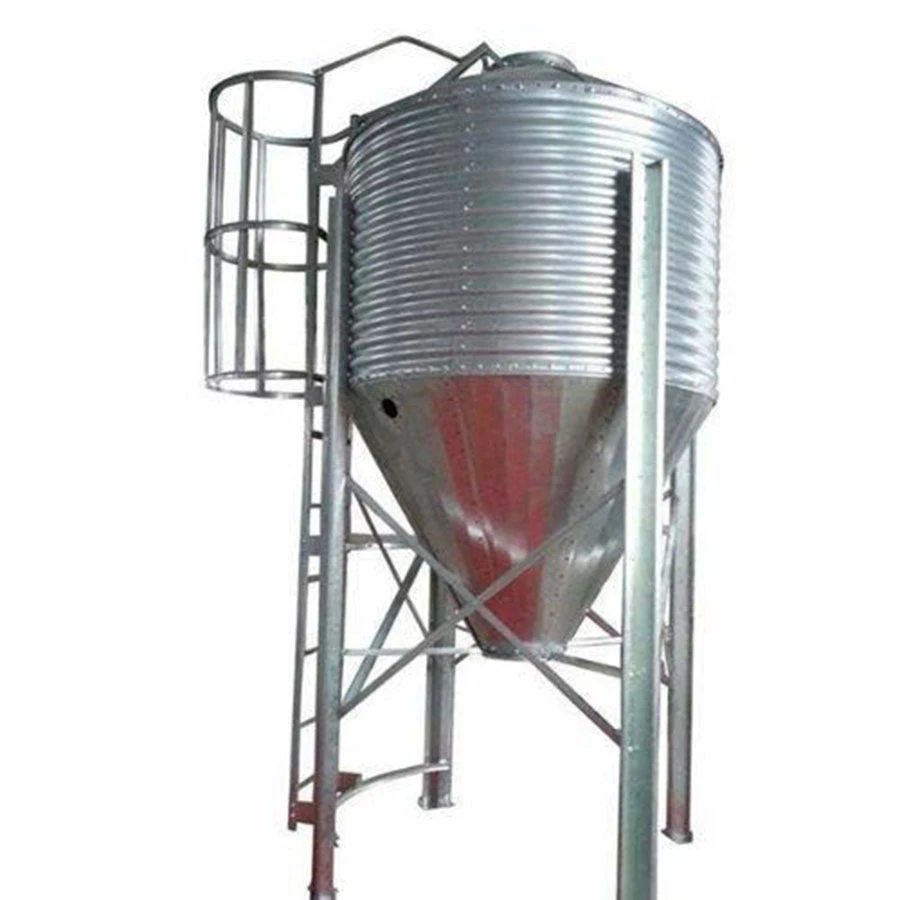
At its core, a Feed Silo is a storage structure designed specifically for bulk storage of livestock feed, such as grains, pellets, or other dry materials. Think of it as the backbone of any efficient feeding operation — a place where feed is kept safe from pests, moisture, and contamination, maintaining quality until it’s needed.
- Typically constructed of galvanized steel or heavy-duty plastic, feed silos come in various sizes, often ranging from a few tons capacity up to several dozen.
- CX Livestock’s Feed Silos offer modular designs, with enhanced weatherproof coatings to resist corrosion — tailor-made for real-world farm and industrial conditions.
Just last year, a midwestern cattle farm shared how switching to CX Livestock silos reduced feed spoilage by 15%. Not the kind of number you can overlook when margins are tight.
Benefits & Use Cases of Feed Silo
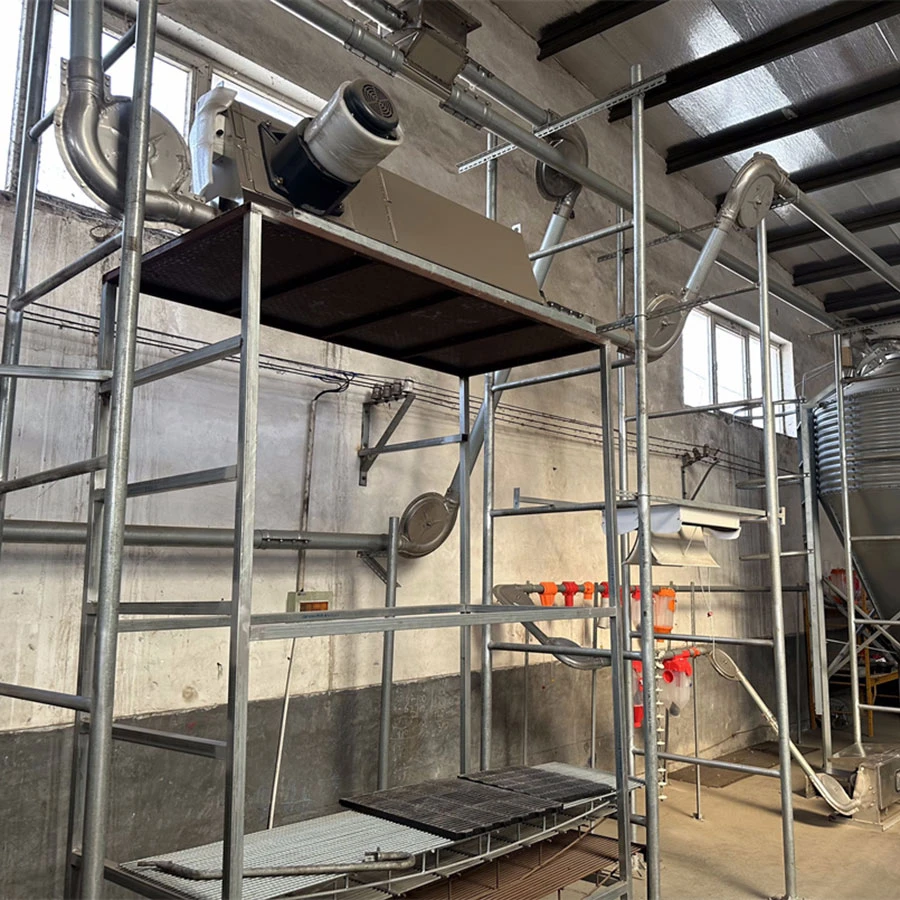
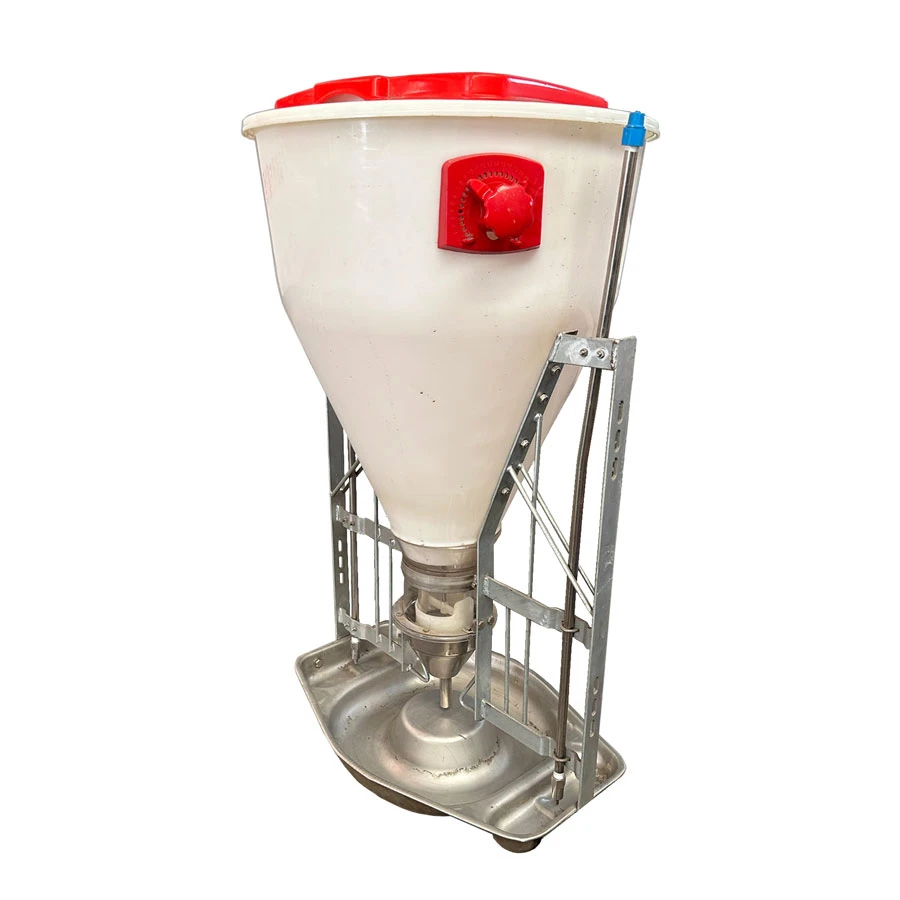
You might be wondering — beyond simple storage, what’s the big deal about these silos? It’s actually quite interesting, because Feed Silos don’t just store feed; they streamline the entire feeding process. Facilities can utilize automated feed delivery systems that integrate directly with these silos, saving time and labor.
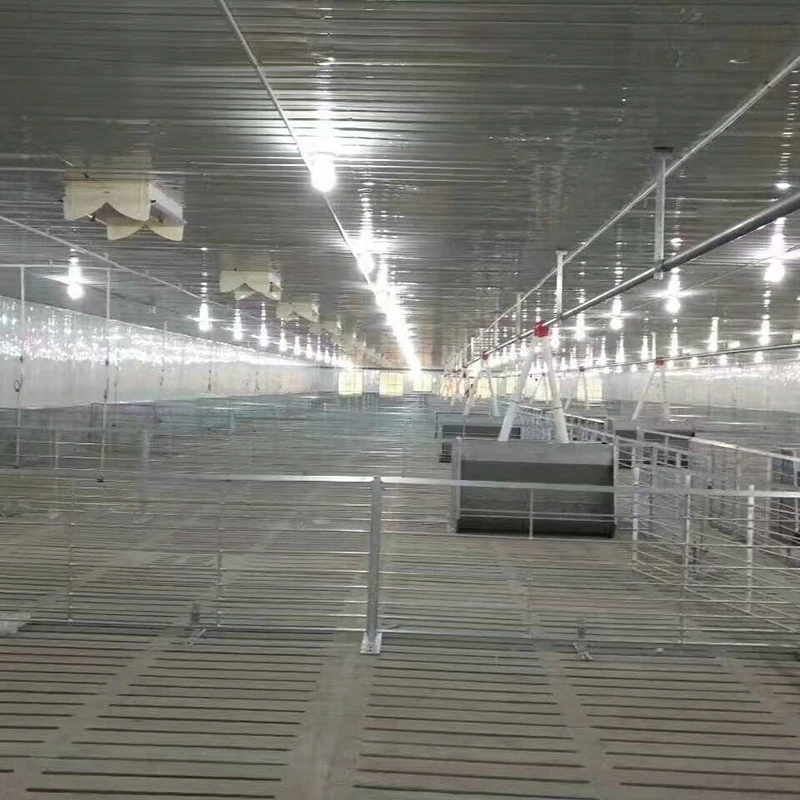
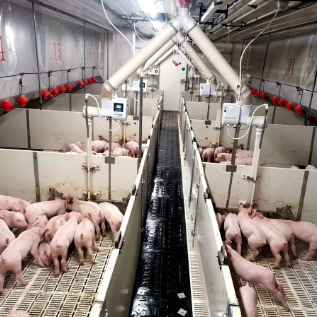
- Ideal for large-scale poultry farms, dairy operations, and pig breeding facilities, silos keep feed dry, fresh, and easily accessible.
- CX Livestock’s silos are designed with reinforced steel supports and insulated walls, which help maintain feed temperature and prevent condensation — a common problem that leads to mold.
Oddly enough, many engineers say that the simple but smart ventilation systems CX Livestock uses are game changers because they balance airflow without letting pests in. It’s that kind of detail that sets them apart.
| Specification | CX Livestock Feed Silo |
|---|---|
| Material | Galvanized Steel with Anti-Corrosion Coating |
| Capacity | 10 to 50 Metric Tons (customizable) |
| Insulation | Double Wall with Ventilation System |
| Feeding System Compatibility | Supports Automated & Manual Feeding Systems |
| Durability | 10+ Years (with routine maintenance) |
Cost, Maintenance & User Experience
When it comes to cost, I suppose the initial investment of a reliable Feed Silo might make some hesitate. But frankly, looking at the total cost of ownership — factoring in minimized feed wastage, ease of maintenance, and operational efficiency — the ROI is usually solid. Feed silos from CX Livestock, particularly, are engineered to require less frequent repairs thanks to their corrosion-resistant coatings.
- Routine checks focus on sealing integrity and cleaning the ventilation system to prevent buildup, which operators find fairly straightforward.
- Customers frequently praise the peace of mind they get knowing their feed stock is protected year-round, which reduces unexpected costs.
Oddly enough, a lot of the lesser-known benefits—like less frequent pest control and streamlined feed handling—come as welcomed surprises to many users.
| Vendor | Price Range | Durability | Customization | Warranty |
|---|---|---|---|---|
| CX Livestock | $$$ | 10+ Years | Available | 5 Years |
| Competitor A | $$ | 7-8 Years | Limited | 3 Years |
| Competitor B | $$$$ | 12 Years | Yes | 7 Years |
Sustainability & Market Trends
Sustainability in agriculture isn’t just a buzzword; it’s increasingly critical, driven by regulations and the need to protect resources. Feed Silos, oddly enough, play a subtle but important role in this. By reducing feed spoilage and contamination, they directly reduce waste — and that’s a tangible environmental win.
- Regulatory bodies in many regions now recommend or require improved feed storage to control dust and emissions, where CX Livestock silos stand well-positioned.
- The demand for customized silos that meet specific farm sizes and climates is growing, and technology is catching up — smart sensors for monitoring feed levels and quality are becoming more common.
Overall, the market is expanding steadily, reflecting the broader agricultural shift toward efficiency and sustainability — trends that CX Livestock embraces.
Frequently Asked Questions about Feed Silo
- What is Feed Silo and how does it work?
- Feed Silo is a large container for storing bulk livestock feed safely and efficiently. They work by protecting the feed from moisture, pests, and contamination while also often integrating systems for easy feed dispensing and inventory management.
- What are the main benefits of using Feed Silo in industrial applications?
- Key benefits include minimized feed loss, improved feed quality control, space efficiency, and streamlined feed distribution, which often translates to labor savings and better animal health outcomes.
- How does Feed Silo compare to traditional alternatives?
- Compared to bags or open storage, Feed Silos provide superior protection, longer feed life, reduced labor, and can be automated. They represent an evolution in storage technology that offers both economic and operational advantages.
- What industries can benefit most from Feed Silo implementation?
- Primarily, livestock farms (poultry, swine, cattle), feed mills, and agricultural contractors. Each benefits differently, but all gain from improved storage quality and feeding efficiency.
Conclusion on Feed Silo from china
Summing up, a quality Feed Silo like those from CX Livestock is more than just a container. It’s an investment in feed security, operational efficiency, and ultimately, the bottom line. For businesses serious about their livestock operations, choosing the right storage silo is a no-brainer.
- If you’re seeking durable, customizable, and well-engineered Feed Silos, visit our website: https://www.cxlivestock.com
It’s fascinating how something as straightforward as a feed storage container can have so many layers of impact across modern agriculture…
References:
1. CX Livestock Product Data Sheet, 2023
2. Industry Report: Global Feed Storage Trends, 2022
3. Midwest Farm Case Study, Private Interview, 2023
Post time: Dec . 03, 2025