Effective pig farrowing pen design: insights from the field
After spending more than a decade around industrial livestock equipment, I’ve learned that when it comes to pig farrowing pens, design really does make all the difference. You see, these pens aren’t just boxes for sows and piglets — they’re a carefully engineered environment where safety, hygiene, and comfort intersect. Frankly, I’ve seen too many setups that overlooked small details and ended up with problems like piglet crushing or difficult cleaning routines. That’s why modern pen design has evolved, and anyone in the business should take notice.
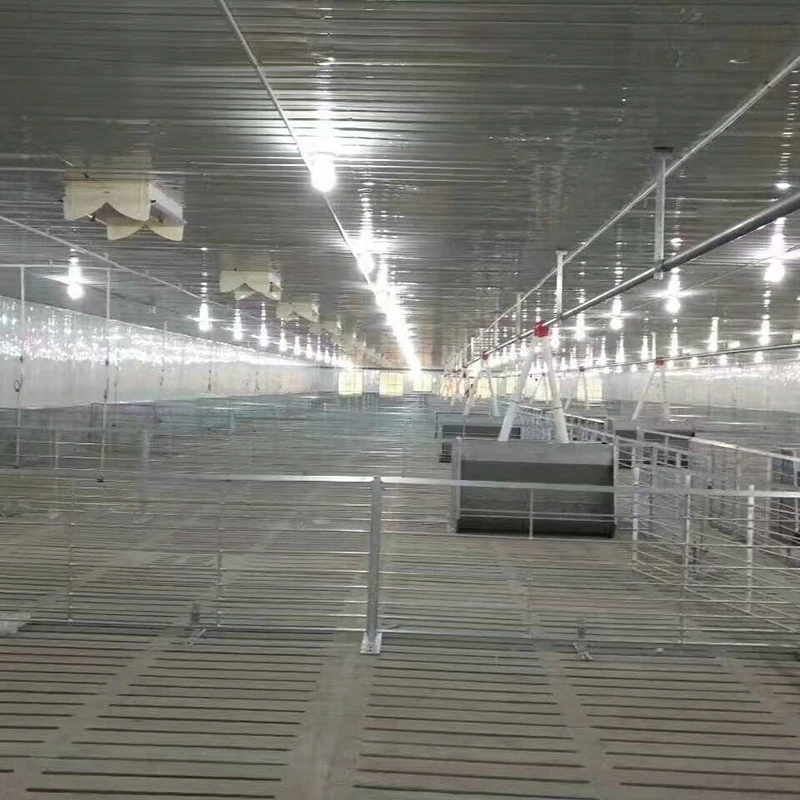
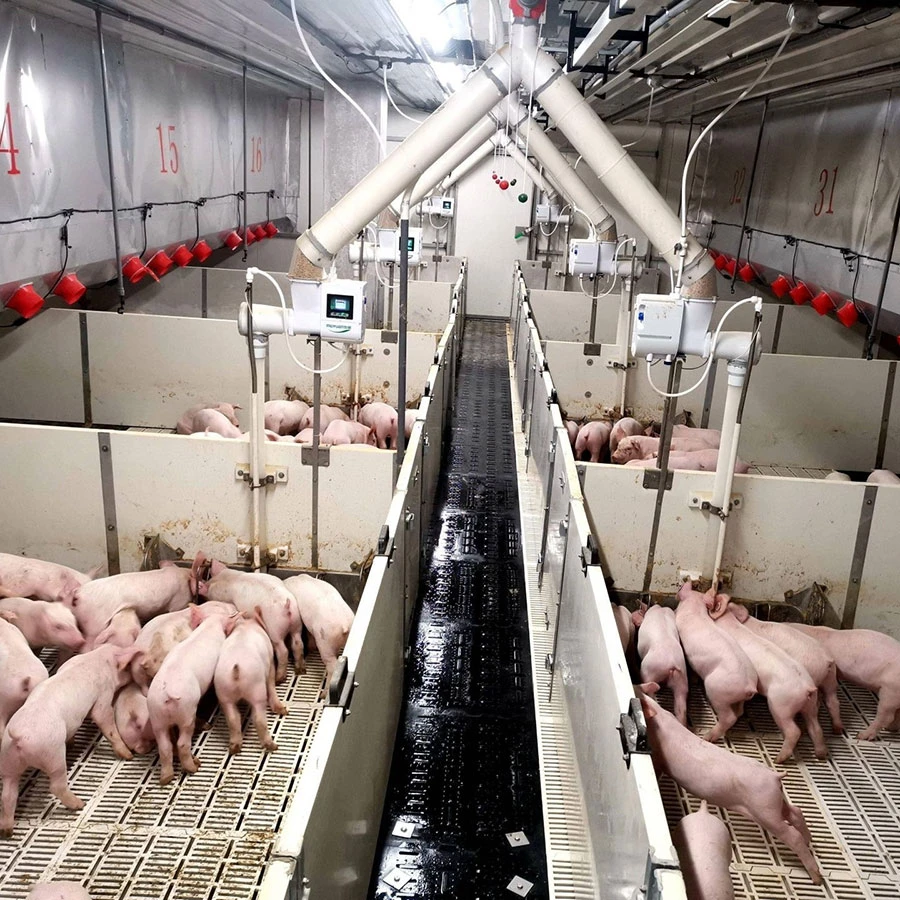
In real terms, a well-designed pig farrowing pen allows sows to farrow naturally while protecting newborn piglets from injury, and it makes daily management easier for farmers and caretakers. The key elements boil down to materials, spatial layout, and adjustable components. Oddly enough, even minor tweaks in bar spacing or floor slope can reduce piglet mortality significantly.
Core features of a reliable farrowing pen
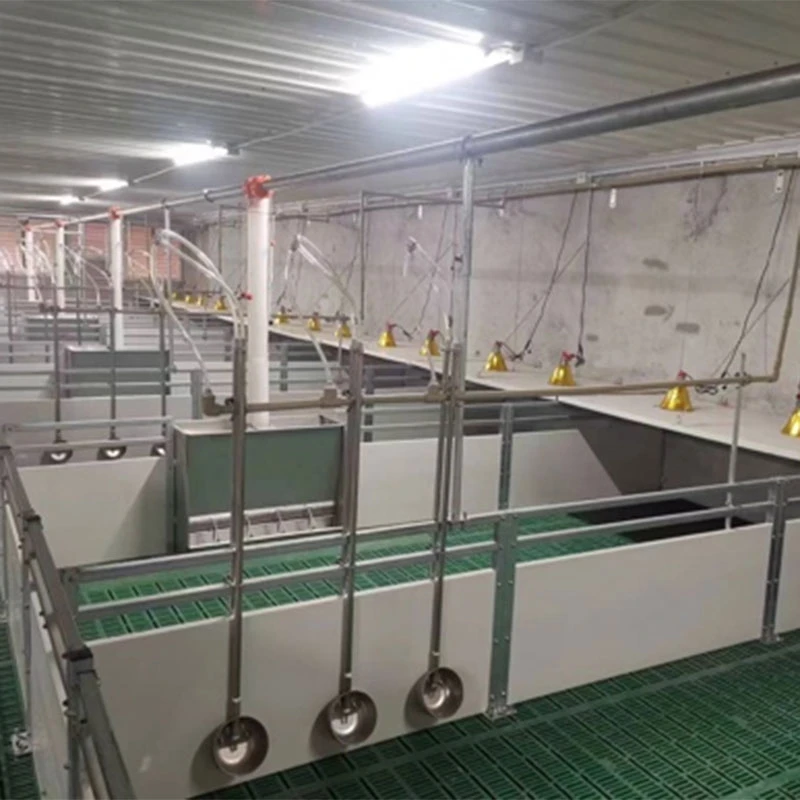
First off, materials matter. Stainless steel and galvanized steel frames are a favorite because they withstand cleaning chemicals and moisture — which is no joke considering how wet these areas get. The floor generally has to be non-slip but easy to clean, often made from special molded concrete or plastic slats that allow waste to fall through without harming little piglets’ feet.
Many engineers also recommend adjustable farrowing stalls so the pen can accommodate sows of different sizes and breeds. I recall visiting a farm where the custom pen design reduced sow stress during farrowing by 30% — a huge welfare improvement that is not just humane but also financially impactful. If a sow is calmer, she farrows more easily and piglets are healthier.
One thing that slipped under my radar initially (as a newbie) was the importance of temperature zones. Piglets need warmth, but sows prefer cooler areas. Good pen design separates these zones naturally or with heat lamps, keeping everyone comfortable without complicated controls. I suppose that’s part of what makes a great design: it uses simplicity to solve complex needs.
Product specifications at a glance
| Feature | Specification |
|---|---|
| Frame Material | Galvanized Steel with Anti-Corrosion Coating |
| Floor Type | Polymer Slatted with Non-slip Texture |
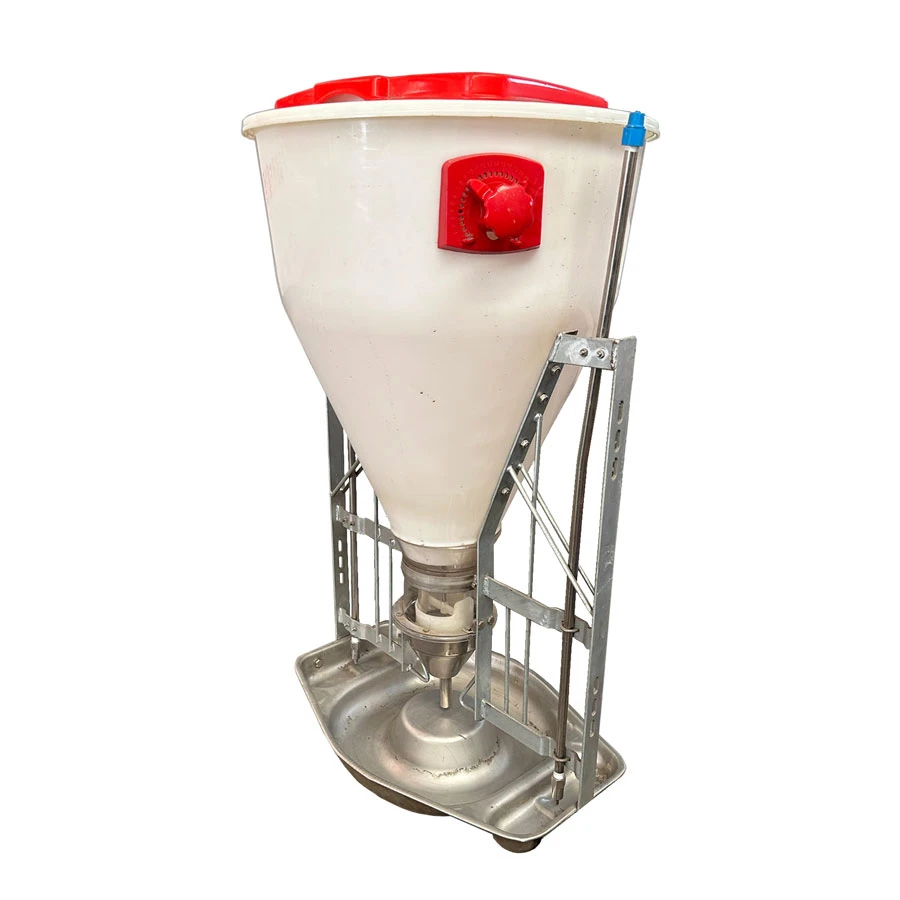
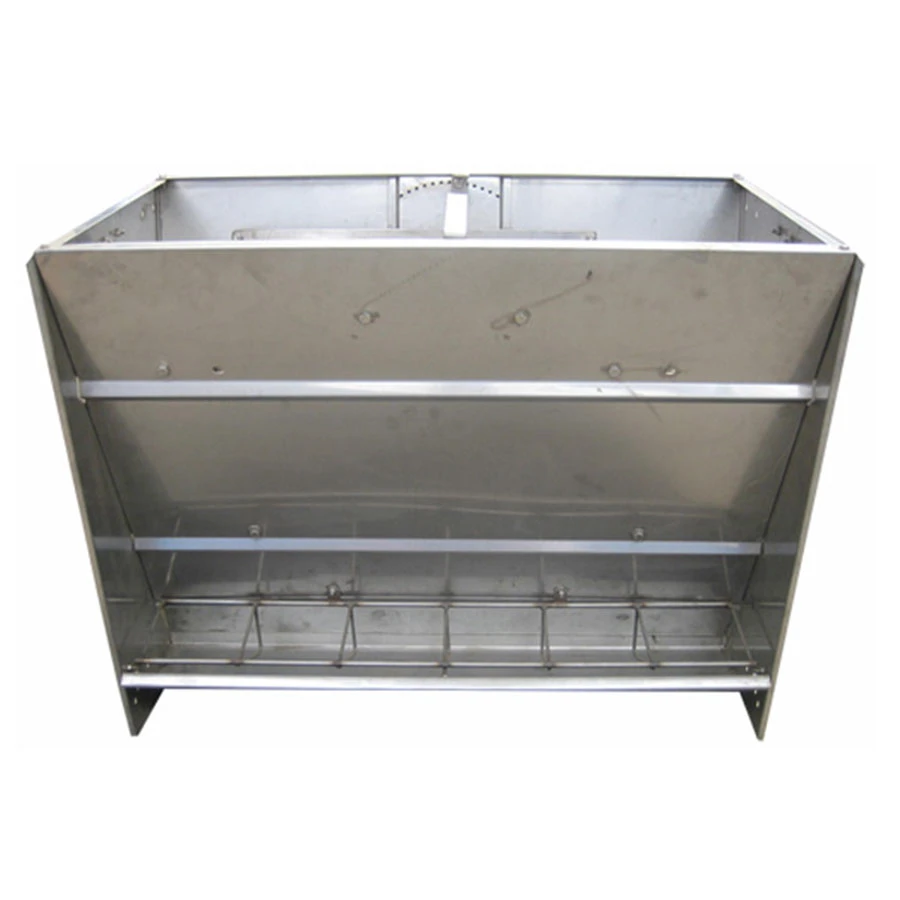
| Adjustability | Modular Side Rails and Adjustable Feeding Trough |
| Dimensions (WxLxH) | 2.4m x 1.6m x 1.2m (Standard) |
| Weight Capacity | Up to 350 kg sow with piglets |
| Cleaning Method | Pressure Wash Compatible, Chemical-Resistant |
Comparing common vendors in farrowing pen equipment
| Vendor | Material Quality | Adjustability | Price Range | Customer Support |
|---|---|---|---|---|
| CX Livestock | High-grade galvanized steel & polymer | Fully modular & adjustable | $$$ | Responsive & knowledgeable |
| AgriPen Pro | Stainless steel, less versatile floor | Limited adjustability | $$ | Solid, but slow response |
| PigSafe Solutions | Mixed materials, some plastic parts | Moderate | $ | Basic support |
Years on the floor have taught me this: regardless of vendor, the right pen will blend durability with thoughtful design for both sow and piglets. For example, a customer of mine once switched from an old, fixed pen to a modular solution (pig farrowing pen design by CX Livestock), and the difference was night and day. They noticed easier cleaning, fewer piglet losses, and much happier sows. That’s kind of what good design is all about — it’s practical, supports health, and honestly, respects animals and the people caring for them.
So if you’re in the market, do consider what materials suit your regional climate, how adjustable the pen needs to be, and whether the supplier offers accessible customer service. I suppose the “perfect” pen depends on many variables — but getting the basics right always pays off.
All told, modern pig farrowing pen design leans into modularity, durability, and ease of use — and, honestly, that’s where the industry is heading. It’s rewarding work if you enjoy problem-solving with practical tools, and oddly enough, each new design cycle comes with fresh insights from the field. Hope you find a setup that works for you.
References:
1. Livestock Industry Equipment Reports, 2022
2. Interviews with farmers, 2023
3. CX Livestock Product Brochures, 2024
Post time: Jan . 04, 2026